

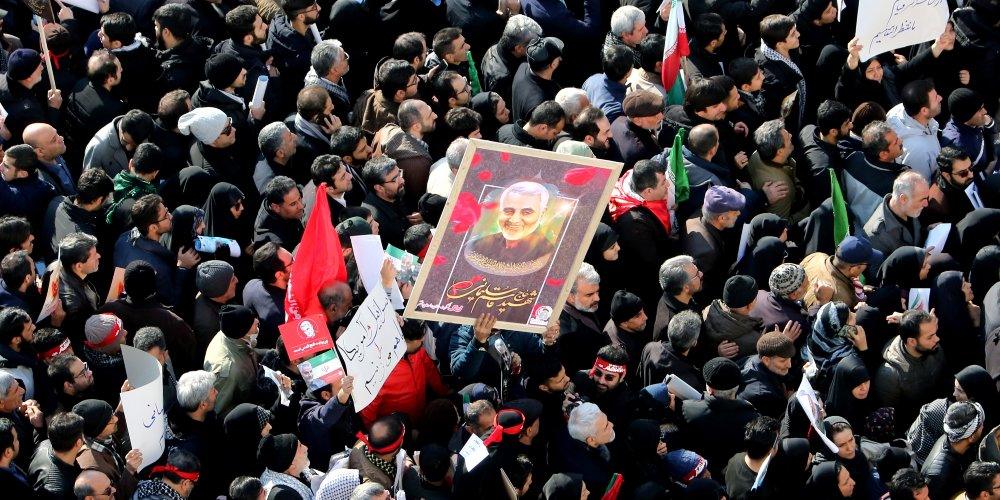

- Protests in Iran began on December 28, 2025, initially sparked by economic collapse, soaring inflation, and the rial’s sharp devaluation.
- Demonstrations have spread nationwide, occurring in over 200 cities across 26 provinces as of January 8, 2026.
- Unrest has entered its twelfth day, with reports of protests in major cities like Tehran, Isfahan, Mashhad, and smaller towns, including strikes in bazaars and Kurdish regions.
- Rights groups report at least 36 protesters killed and over 2,000 arrested since the protests started, with security forces using live ammunition, tear gas, and hospital raids.
- Protesters have chanted slogans like “Death to Khamenei,” “Neither Gaza nor Lebanon, my life for Iran,” and calls for regime change, including pro-Pahlavi voices.
- Reports indicate the regime has deployed approximately 800-850 fighters from Iraqi Shia militias, including Kata’ib Hezbollah and Badr Organization, and possibly Hezbollah-linked forces to assist in suppression.
- These foreign fighters reportedly entered Iran via border crossings, disguised as pilgrims or directly, signaling doubts about the loyalty of domestic security forces.
- Supreme Leader Ali Khamenei has distinguished between acceptable protests and “rioting,” vowing not to yield to enemies.
- U.S. President Donald Trump has threatened intervention if security forces continue lethal crackdowns on protesters.
- Kurdish organizations have called for a nationwide general strike on January 8, 2026.
- Internet access has been heavily restricted in protest hotspots, with disruptions to communication and organization.
- Some reports suggest contingency planning by regime officials, including potential escape plans and asset movements.
Protests across Iran have entered their twelfth day, with demonstrations now reported in over 200 cities spanning 26 provinces. What began as scattered outbursts in Tehran over economic hardships has ballooned into widespread clashes, fueled by skyrocketing inflation and the rial’s plunge against the dollar.
Videos from Hamedan show streets littered with burning debris and overturned dumpsters, while in northern regions, crowds have torn down the national flag in defiance. Rights groups estimate at least 38 deaths and more than 2,200 arrests, painting a picture of a nation pushed to its breaking point by years of mismanagement and iron-fisted rule.
The regime’s response has turned to outside help, secretly bringing in around 850 fighters from Hezbollah, Iraqi Shia militias, and groups linked to the Quds Force. These reinforcements crossed the border under the guise of religious pilgrimages, gathering at a base in Ahvaz before fanning out to hotspots like Kermanshah and Lorestan.
Independent sources confirm roughly 800 Iraqi fighters from outfits such as Kataib Hezbollah and the Badr Organization have joined the fray, a move that echoes Tehran’s long history of relying on proxies to do its dirty work. Opposition voices claim protesters have seized control of two western cities, though the government enforces internet blackouts and curfews to stifle reports.
Supreme Leader Ali Khamenei faces chants of “Death to Khamenei” ringing through the streets, a direct challenge to his authority. In a sign of internal strain, the army chief issued warnings to the U.S. and Israel against interfering, suggesting paranoia about external meddling amid the chaos. Yet, deploying Arabic-speaking militias—reminiscent of allegations from past uprisings like 2009—hints at doubts over the loyalty of Iran’s own forces. Some whisper that this outsourcing reveals cracks in the regime’s foundation, perhaps exacerbated by renewed U.S. sanctions that have crippled the economy further.
Iran expert Lisa Daftari points out the pattern: “This is nothing new for the regime. It is the logical extension of a playbook the ruling clerics have used since 1979 to outsource repression to ideologically loyal militias and then integrate them into the state’s coercive infrastructure.”
She adds that by treating its people like regional battlefields, the mullahs show their disregard for ordinary Iranians, blurring lines between domestic control and foreign adventurism.
Behnam Ben Taleblu, a senior fellow at the Foundation for Defense of Democracies, echoes this: “Since protests dating back to 2009, there were always allegations of Arabic being heard on the street. As the contest between the state and the street continues to heat up, all eyes will be on Iran’s security forces to see if they defect or disobey orders to crack down. The problem is, so is the regime. And to that end, the Islamic Republic may have devised a failsafe for itself against popular anger. Foreign proxies.”
Recent developments add fuel to the fire. Kurdish organizations have called for a nationwide general strike today, urging unity against the regime. While protest activity dipped slightly earlier this week, the involvement of militias could reignite tensions, especially in ethnic minority areas. Tehran has tried to ease economic pressures by threatening suppliers against hoarding or price gouging, but such measures feel like bandaids on a gaping wound.
This unrest doesn’t exist in a vacuum. Iran’s arming of proxies like Hezbollah in Lebanon, militias in Iraq, and rebels in Yemen continues unabated, even as it preaches regional peace. Critics see a double game: suppressing dissent at home while exporting instability abroad, possibly to divert attention or secure alliances. Some speculate deeper ties, like Iran’s operations in Venezuela alongside Hezbollah, could be targeted next under renewed U.S. pressure, weakening the regime’s global network.
For many Iranians, this moment recalls biblical tales of pharaohs clinging to power amid plagues of hardship, oppressing their people while ignoring cries for justice. The regime’s history of persecuting religious minorities, including Christians, only amplifies the sense of moral decay. If defections grow or international isolation deepens, the mullahs’ hold might finally slip, opening doors to real change.
As the world watches, the protests test not just Iran’s rulers but the resolve of freedom-loving nations. With militias now in the mix, the risk of broader violence looms, potentially spilling over borders and destabilizing the Middle East further. Yet, in the faces of those braving the streets, there’s a glimmer of hope that persistence could topple even the most entrenched tyrants.
How to Prepare for Food Emergencies if You Don’t Have a Homestead or Bunker
In an unpredictable world, where supply chain disruptions, natural disasters, or economic instability can strike without warning, having a reliable food supply is more than just smart—it’s essential for survival. Whether you’re a “prepper” or not, we all know the golden rule: self-sufficiency is key. But what if you’re living in an apartment, working long hours, or simply don’t have the land to turn into a thriving homestead? Don’t worry; there’s a practical, effective way to build your food security without needing acres of soil or a fortified bunker.
The Ideal Prep: Building Your Own Food Empire
The ultimate dream for any serious prepper is controlling your own food production. Imagine waking up to a sprawling garden bursting with fresh vegetables, fruits, and herbs—tomatoes ripening on the vine, potatoes ready to harvest, and greens that provide nutrition year-round. Add in livestock like chickens for eggs and meat, and you’ve got a self-sustaining system that keeps your family fed no matter what chaos unfolds outside.
This approach isn’t just about calories; it’s about resilience. A well-maintained garden can yield hundreds of pounds of produce annually, while a small flock of chickens might produce dozens of eggs weekly. It’s empowering, cost-effective in the long run, and teaches invaluable skills like crop rotation, animal husbandry, and preservation techniques. If you have the space, time, and resources, starting small and scaling up is the best path to true independence.
The Reality Check: Not Everyone Can Homestead
But let’s face it—not all of us are in a position to go full homesteader. Urban dwellers might be limited to a balcony or community plot that’s far from sufficient for long-term needs. Busy professionals juggling jobs, families, and daily life often lack the hours required for daily tending. And for those in apartments, condos, or regions with harsh climates, raising livestock or maintaining a large garden simply isn’t feasible. Factors like zoning laws, soil quality, water access, or even physical limitations can make this ideal out of reach.
That’s where the frustration sets in. You want to be prepared, but without a homestead or bunker, how do you ensure your pantry doesn’t run dry during a prolonged crisis? The good news is, you don’t have to sacrifice your preparedness goals. There’s a smart, accessible alternative that bridges the gap: investing in high-quality, long-term storage food.
The Smart Alternative: Long-Term Storage Food from Heaven’s Harvest
Long-term storage food is designed for exactly these scenarios—providing nutrient-dense, shelf-stable meals that last for decades without refrigeration or special conditions. It’s the perfect solution for preppers who can’t rely on fresh production but still demand reliability and variety in their emergency stockpile.
At Heaven’s Harvest, they specialize in premium survival food kits that make preparedness effortless. Their products are crafted with the prepper mindset in mind: non-GMO, made in the USA, and packed with real ingredients that taste like home-cooked meals, not bland rations. Whether you’re stocking up for a short-term blackout or a long-haul SHTF event, our kits offer:
- Extended Shelf Life: Up to 25 years of storage, so you can buy once and forget about rotation worries.
- Nutritional Balance: High-protein entrees, fruits, vegetables, and dairy alternatives to keep your energy up and health intact.
- Ease of Preparation: Just add water, and you’ve got hearty meals like beef stroganoff, chili mac, or cheesy lasagna ready in minutes—no garden weeding required.
- Customizable Options: From individual buckets to family-sized kits, scale your supply to fit your needs and budget.
- Peace of Mind: Sealed in durable, waterproof containers that protect against pests, moisture, and light.
Unlike generic store-bought cans that spoil quickly or lack variety, Heaven’s Harvest focuses on quality and sustainability. Our food is freeze-dried or dehydrated to lock in flavor and nutrients, ensuring you’re not just surviving but thriving. And for those concerned about allergens or dietary preferences, we offer gluten-free and vegetarian options to keep everyone covered.
Why Wait? Secure Your Food Supply Today
Preparing for food emergencies doesn’t require a homestead or bunker—it requires action. By choosing long-term storage food from Heaven’s Harvest, you’re taking control in a way that fits your lifestyle. Start small with a 72-hour kit to test the waters, or go all-in with a year’s supply for ultimate security.
Visit Heaven’s Harvest today and use code “PATRIOT” for an exclusive discount on your order. Don’t let limitations hold you back; build your resilient future, one meal at a time. Your family will thank you when it matters most.

REAL CIA Shah & Awe threat: http://www.arkofcrisis.com/id52.html