

(WND)—Scrolling through Twitter on Tuesday, I came across a sober video message from celebrity gadabout Paris Hilton. Dressed down in a modest track suit, Ms. Hilton sounded all the word like what the media might call a “QAnon fanatic.”
“And I really hope this is a lesson to people out there that if you’re abusing children, I will find out, I will find you. I will come with my huge spotlight and shine it on wherever you are.”
“This has been happening for decades, and people are just getting away with it. Not anymore,” said Hilton, who claims to have spoken to “thousands of survivors.”
A celebrity while still a teen, Hilton was apparently a “survivor” herself. As revealed in the explosive new five-part 2024 Max series, “Quiet on Set: The Dark Side of Kids TV,” Hollywood has long been a hotbed of child sex abuse.
The show focuses on Nickelodeon and its disgraced producer Dan Schneider. Not surprisingly, Schneider was a friend of the Obamas.
In 2012, an election year, Schneider produced a show on the long-running series “iCarly” that featured Michelle Obama and her “Joining Forces” initiative. Network president Cyma Zarghami was paraphrased as saying that the episode was “in no way a political statement.” Of course not.
Those were the circles in which high-profile Democrats ran. Malia Obama interned with Harvey Weinstein. Bill Clinton logged frequent-flyer miles on Jeffrey Epstein’s “Lolita Express.”
Hillary Clinton intimate Huma Abedin married pervert Anthony Weiner. A few years earlier, Hollywood gave child rapist Roman Polanski a standing O and an Oscar.
In 2020, Barack Obama did a one-on-one interview with the granddaughter of Democrat mega donor Edgar Bronfman, Hannah Bronfman, a reputed “influencer.” A month prior, Hannah’s aunt Clare was sentenced to 81 months in prison for her role in a sex trafficking ring that did not check the IDs of its young female victims.
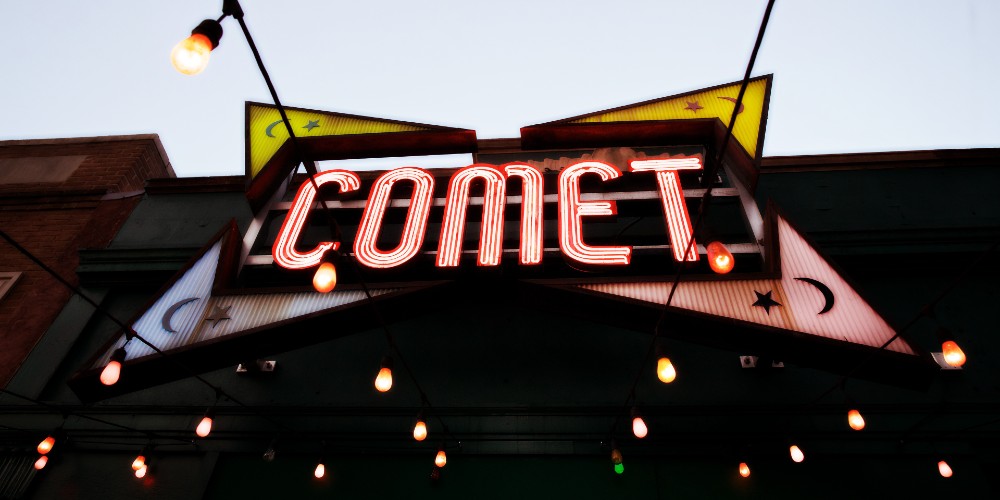
During the years this was going on, the media savaged anyone associated in any way with the mysterious QAnon given its strong association with a conspiracy known as “Pizzagate.” This reputed high-level ring of pedophiles involves, most prominently, John Podesta, Hillary Clinton’s 2016 campaign chair.
The Left, of course, ridicules Pizzagate, and the respectable conservative media dare not even mention it, but before readers dismiss it, they might watch the movie “Out of Shadows.”
Among the people featured in the film is Liz Crokin, a veteran reporter and columnist who sacrificed any career ambitions she might have had to report on child sex trafficking.
Said Crokin, “I was basically embraced by the mainstream media until I started reporting on Pizzagate.” Her deconstruction of the coded language in the Podesta emails obtained by Wikileaks could make Hillary sweat.
“I’d be willing to debate anyone who thinks Pizzagate has been debunked,” said Crokin. She is dismayed that “there has not been one single investigation into any of it.”

The media’s eagerness to tar anyone who addressed the pedophilia issue with the “QAnon” brush says more about the media than about the person tarred.
If one googles “Liz Crokin,” for instance, the first item that appears after her Wikipedia page is a CNN article from 2022 headlined, “Trump Poses with QAnon, Pizzagate Conspiracy Theorist at Mar-a-Lago.”
In the summer of 2023, the tide started turning. “Sound of Freedom,” a film about real-life Department of Homeland Security (DHS) agent Tim Ballard’s efforts to stop child sex trafficking, proved to be a box office hit.
The film’s success surprised the media. Critics were anticipating a dud. Disney, after all, had sat on the finished product for five years before selling the rights back to the producers.
The film’s marketability was not the issue for Disney. The film’s message was. Disney’s history with the sexual abuse of minors was as bad as Nickelodeon’s.
Explained Time magazine, the film became “mired in controversy over criticisms that it features misleading depictions of child exploitation and plays into right-wing conspiracy theories associated with the QAnon movement.”

The fact that the film was made before anyone even heard of QAnon only made the Left more anxious. Those “theories” suddenly seemed less fanciful.
So why has the Left started noticing? Paris Hilton seems to have no ulterior motive, but savvy Democrats do. They do not want Donald Trump to be reelected.
While many on the Left ridiculed those concerned with child sex trafficking, Trump screened “Sound of Freedom” at his New Jersey golf course. He has made sex trafficking his issue.
In a blistering takedown of his Democrat allies last week, liberal provocateur Bill Maher addressed “Quiet on Set” and explored the reason why progressives tolerated allies like Schneider whose run at Nickelodeon lasted 25 years.
“We’re so tribal now,” said Maher, “The Left will overlook [child abuse] if the guy from the wrong party calls it out.” To prove his liberal credentials, I should add, Maher used a phrase more vulgar, much more, than “child abuse.”
A party that’s OK with “killing babies” – a phrase Maher has actually used to describe abortion – does not have soul enough to care about the sex trafficking of children. The party is, however, strategic enough to care until November.
Content created by the WND News Center is available for re-publication without charge to any eligible news publisher that can provide a large audience. For licensing opportunities of our original content, please contact [email protected].
Starting the Day With a Scripture-Inspired Roast Helps Center Your Thoughts on Eternal Truths Amid Temporal Pressures
The world can seem chaotic, especially right after we wake up. Many believers start their mornings reaching for something familiar — a hot cup of coffee — yet end up settling for mediocre brews that do little more than deliver a caffeine jolt. The daily grind of life, with its endless distractions, news cycles, and responsibilities, can leave even the most faithful feeling spiritually parched alongside their physical fatigue. What if your morning ritual could do more than wake you up? What if it could ground you in truth, nourish your body with exceptional quality, and quietly advance a kingdom purpose at the same time?
That’s the promise — and the reality — behind Promised Grounds Coffee. This Christian-founded company doesn’t just roast beans; it approaches every step as an act of worship and discipleship. By selecting only the top 10% of specialty-grade beans, ethically sourced from dedicated farmers in Central and South America, and small-batch roasting them with reverence in Austin, Texas, Promised Grounds delivers what many describe as the best coffee available — never burnt, never bland, but rich with origin stories and layered flavors that honor God’s creation.
From the vibrant Psalm 27 Roast (a light, bright medium option) to the bold yet peaceful 2 Timothy 1:7 Decaf, each bag carries a Scripture verse that turns your daily pour into a gentle reminder of faith. And through their Ounce Per Ounce Promise, every ounce of coffee you enjoy provides an equal ounce of clean water to families in need via partnership with Filter of Hope — literally brewing hope for body and soul, one cup at a time.
The challenge for today’s Christians runs deeper than finding a decent cup. In an age of convenience-driven consumerism, it’s easy to support companies that dilute values or remain silent on matters of faith. Many believers want their everyday choices — from what they drink to how they spend — to reflect discipleship rather than just convenience. Promised Grounds solves this by weaving Christian excellence into the entire process: beans nurtured with prayerful stewardship by farming families, roasted as an offering rather than a commodity, and packaged with Bible verses to encourage a mindset of gratitude and purpose from the first sip. Reviewers consistently praise the smooth, rich profiles — whether enjoyed black in a drip maker, iced on a warm day, or shared in fellowship — noting how the quality stands toe-to-toe with premium secular brands while delivering something far more meaningful.
This integration of faith and flavor addresses a real need in Christian households and ministries. Busy parents, church leaders, and remote workers alike report that starting the day with a Scripture-inspired roast helps center their thoughts on eternal truths amid temporal pressures. The coffee’s exceptional character — bright citrus notes in lighter roasts or deep chocolate undertones in bolder ones — comes from meticulous selection and careful roasting that respects the bean’s natural gifts rather than masking them. It’s the kind of coffee that elevates a simple quiet time, fuels productive workdays, or sparks meaningful conversations when shared at Bible studies or outreach events. And because it’s ethically sourced with integrity, every purchase supports sustainable livelihoods for farmers who treat their crops like family harvests.
For those leading churches or small groups, the impact multiplies. Promised Grounds offers bundles and options perfect for hospitality ministries, turning ordinary coffee service into an opportunity to point people toward the living water of Christ. Imagine greeting visitors with a warm cup whose very bag carries God’s Word — a subtle yet powerful witness that aligns with the Great Commission. The company’s Texas roots and commitment to “brewing hope” resonate especially with believers who value American enterprise paired with global compassion.
Of course, quality alone isn’t enough if the experience feels out of reach. Promised Grounds keeps it accessible with practical perks like free shipping on orders over $40, sample sets for discovering favorites, and thoughtful add-ons such as faith-themed mugs. Whether you prefer whole beans for fresh grinding, grounds for convenience, or even bulk options for larger households and ministries, the result is consistently superior coffee that makes discipleship feel integrated rather than added on.
As you consider how to align even the smallest habits with your walk with God, Promised Grounds Coffee stands out as a refreshing solution. It tackles the dual problems of subpar daily sustenance and disconnected consumption by offering a product that genuinely excels in taste while advancing a mission of clean water, farmer dignity, and scriptural encouragement. Believers who make the switch often describe it as more than a beverage upgrade — it becomes part of their rhythm of gratitude, a daily invitation to remember that every good gift comes from above.
If you’re ready to transform your mornings (and perhaps your church gatherings) with coffee that honors both exceptional craftsmanship and Christian values, I encourage you to explore what Promised Grounds has to offer. One sip at a time, you’ll be nourishing your body, refreshing your spirit, and participating in something far greater — all while enjoying what truly is among the best coffee available.
