

(Alt-Market)—I’ve been writing about the inherent fraud behind third-world immigration for many years now, including the rarely addressed issue of remittances flowing from migrants in the US back to their countries of origin. Third worlders tend to act like a nest of vampires, bleeding the US and giving indirect sustenance to their failing home economies. This process is heavily enabled by foreign governments that rely on this river of dollars to stay afloat. This is why political leaders in countries like Mexico and India lobby so hard to keep US borders open. They need that cash.
One problem I have consistently seen with mainstream coverage of this issue is that it often overlooks the fact that migrants who steal from American taxpayers almost always have help from people within our government.

To be sure, most Americans understand that the Biden Administration, for example, widely supported open borders and the mass invasion of foreigners. What they might not understand (until recently) is how deeply blue states and blue city governments have been involved in the scams. Minnesota is a prime test case.
The question needs to be asked: Who taught these third world migrants how to set up false business fronts to defraud taxpayer subsidies? Who has been hiding their blatantly illegal activities? How have they been getting away with the scam for so long despite incidents of high level whistleblowers calling out their criminality?
I often hear the argument (largely from migrants and leftists) that because these people are so clever in their racketeering they deserve to stay in the US. In other words, why would we want to kick out hundreds of thousand of people who are “so resourceful.”
First I would point out that it’s a common misconception that conmen are highly intelligent. You don’t have to be a polymath to rip innocent people off, you just have to be evil. Evil is often mistaken for genius because high trust societies have a hard time comprehending predatory behavior. They don’t catch it because they don’t expect it. Midwestern states like Minnesota used to be high trust, but that is quickly changing.
That said, a fraudster would at least need to have a comprehensive understanding of the system he intends to scam, not to mention the basic intelligence needed to enact the scam.
The majority of migrants from countries like Somalia are generally low IQ – They are not very smart, which means the only explanation for their success in fraud so far is that they have help from the very system they are defrauding.
This is not hyperbole meant to insult Somalis, it’s simply a statistical fact. Somalia has one of the lowest IQ populations in the world, with the average IQ of Somali refugees and migrants sitting at 67. The country also flounders near the bottom of every list of average IQ measurements among hundreds of nations.
To put this in perspective, the average IQ score of the US population is 100, along with around 34% of the global population. Less than 9% of the global populace has an IQ over 120. Less than 1% have an IQ over 135 (considered “gifted” level intelligence). But what about the low end of the spectrum? The number of people within the global population with an IQ lower than 70 is 2% – Meaning the average IQ in Somalia is rare because it’s so minuscule.
These people are not criminal masterminds; they are useful pawns in a bigger scheme.
In 2018, Minneapolis TV station KMSP-Fox 9 aired an investigative report alleging that over $100 million in CCAP funds had been fraudulently obtained, primarily by Somali-owned or operated daycare centers in the Twin Cities area. A whistleblower from the Minnesota Department of Human Services (DHS) claimed much of the money was leaving the country, potentially reaching Somalia and the Middle East.
Nearly 20% of Somalia’s total GDP comes from remittances from migrants in the US back to Somalia.
There were around 60 convictions at the conclusion of the case, however, a wider investigation into Somalian fraud networks was not pursued, at least not with much enthusiasm. The exposure of the fraud was met with an immediate spin campaign, asserting that the case was racially motivated.
Protests and propaganda efforts were organized by an NGO called CAIR-Minnesota (the state chapter of the Council on American-Islamic Relations). CAIR receives funding from a number of leftist NGOs and also garnered funds from the federal government under the Biden Administration.
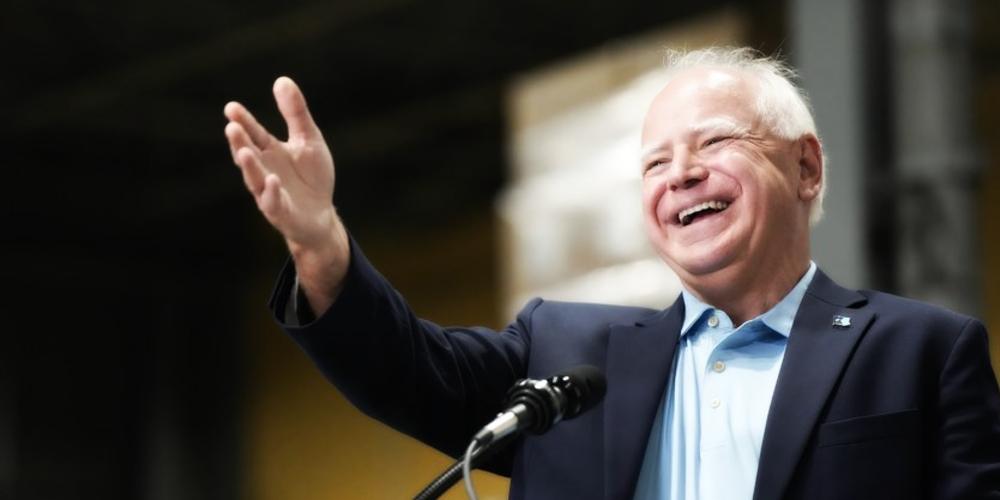
Minnesota politicians closely associated with CAIR include State Rep. Ilhan Omar, Attorney General Keith Ellison and Governor Tim Walz.
In the case of YouTuber Nick Shirley’s recent exposure of Somali front businesses, Democrat leaders, the leftist media and NGOs have once again come to the rescue of the alleged fraudsters. Shirley has been accused of “white supremacy” merely for pointing out possible criminal activity, and anyone supporting him is accused of racism. There is a well-oiled machine protecting these people, helping them to escape scrutiny.
When Somali related fraud cases in Minnesota go before a judge, they are often dismissed despite ample evidence. The judges involved, including Sarah West, Amber Brennan, and Hilary Caligiurare, are ALL Democrat appointed.
Democrats in government have been integral to the continued survival of Somali fraud networks in the US. Minnesota under Tim Walz offers extensive state benefits for “refugees”, including ample welfare (over 81% of Somalis in Minnesota are on welfare).
The Minnesota Department of Employment and Economic Development (DEED) provides low-interest loans (typically $5,000–$150,000) to startups and expanding businesses owned/operated by minorities, women, veterans, persons with disabilities, or low-income individuals. The institution does not provide public data on who is getting these loans, but Somali migrants seem to be enjoying special access.

The loans help Somalis to launch the very businesses at the center of the current fraud controversy.
James Clark, the Inspector General of the Minnesota Department of Human Services (DHS) Office of Inspector General (OIG) as of late 2025, has publicly raised concerns about fraud in DHS-administered programs, including those implicated in cases involving Somali providers (e.g., Medicaid services like autism therapy and housing stabilization, as well as childcare-related issues tied to the ongoing scandals).
Clearly, nothing was done by Democrats from 2018 to today, at least nothing that would lead to actual arrests. But why?
The Somali motive is clear: They have established what is essentially a raider colony in the US designed to siphon billions of dollars from American taxpayers and transfer those funds overseas. They see an opportunity to plunder and they’ve taken it. And, with Democrat leaders running interference, the migrants are emboldened to expand.
The Democrats, however, have more complex and long term plans. Since the Obama era Somalis have received expedited immigration and citizen status because of the instability within their home country. As “refugees” they get fast-tracked. This helps us to answer the question “why use Somalis?”
They are also 99% Muslim, and around 80% of Muslim migrants vote Democrat. In states with tight elections, adding 100,000 migrant voters who represent a surefire demographic for progressive candidates can tip most elections in the favor of Dems for decades. In Minnesota’s major elections, Democrats won all contested statewide executive offices, all U.S. Senate races, and the presidential vote in 2016, 2020, and 2024.
In most of these elections Dems won by 100,000 to 200,000 votes. In other words, Dems have secured a loyal majority edge through incentivized third world immigration. And in exchange, they allow migrants fast citizenship, easy access to subsidies and minimal scrutiny as they commit theft.
I would argue that the partnership goes well beyond incentives and suggest that Democrats and NGOs are training migrants on how to commit fraud. Investigations into Somali businesses need to extend to local Democrat leaders and any organizations that closely align with migrant operations.
I often hear the argument that the number of migrants involved in this criminal activity is small in comparison to the 100,000 plus migrants in Minnesota. I’m not going to explain per capita to these people yet again, but I would point out that I see no Somalis jumping at the chance to apologize for the behavior of their very tribal community.
None of them are coming forward to demand transparency. None of them are acting to police their own. There is absolutely no attempt at assimilation with America’s society or laws.
Instead, we see Somalis all over social media defending the criminals, dismissing the evidence and even bragging about the extent of the crimes. This is why Donald Trump referred to them as “garbage”; because that’s what they are. It is apparently a feature built into their culture – To justify theft as a means to assert dominance over other cultures they see as prey.
Much like a dog marking its territory, third world cultures tend to view criminal actions against foreigners as a way to “leave their scent” and send a message to the host population that they are in charge.
As I have argued over the years, immigrants see the US as a big fat cash cow waiting to be milked. They just didn’t have the mental capacity to take advantage on a large scale until our own bureaucrats and non-profits started helping them. Deporting these migrant groups is necessary, but it is also a temporary solution to a bigger problem.
In the end, the only way to stop the plunder is to punish the politicians and NGOs behind the curtain. Examples need to be made.
If you would like to support the work that Alt-Market does while also receiving content on advanced tactics for defeating the globalist agenda, subscribe to our exclusive newsletter The Wild Bunch Dispatch. Learn more about it HERE.
Starting the Day With a Scripture-Inspired Roast Helps Center Your Thoughts on Eternal Truths Amid Temporal Pressures
The world can seem chaotic, especially right after we wake up. Many believers start their mornings reaching for something familiar — a hot cup of coffee — yet end up settling for mediocre brews that do little more than deliver a caffeine jolt. The daily grind of life, with its endless distractions, news cycles, and responsibilities, can leave even the most faithful feeling spiritually parched alongside their physical fatigue. What if your morning ritual could do more than wake you up? What if it could ground you in truth, nourish your body with exceptional quality, and quietly advance a kingdom purpose at the same time?
That’s the promise — and the reality — behind Promised Grounds Coffee. This Christian-founded company doesn’t just roast beans; it approaches every step as an act of worship and discipleship. By selecting only the top 10% of specialty-grade beans, ethically sourced from dedicated farmers in Central and South America, and small-batch roasting them with reverence in Austin, Texas, Promised Grounds delivers what many describe as the best coffee available — never burnt, never bland, but rich with origin stories and layered flavors that honor God’s creation.
From the vibrant Psalm 27 Roast (a light, bright medium option) to the bold yet peaceful 2 Timothy 1:7 Decaf, each bag carries a Scripture verse that turns your daily pour into a gentle reminder of faith. And through their Ounce Per Ounce Promise, every ounce of coffee you enjoy provides an equal ounce of clean water to families in need via partnership with Filter of Hope — literally brewing hope for body and soul, one cup at a time.
The challenge for today’s Christians runs deeper than finding a decent cup. In an age of convenience-driven consumerism, it’s easy to support companies that dilute values or remain silent on matters of faith. Many believers want their everyday choices — from what they drink to how they spend — to reflect discipleship rather than just convenience. Promised Grounds solves this by weaving Christian excellence into the entire process: beans nurtured with prayerful stewardship by farming families, roasted as an offering rather than a commodity, and packaged with Bible verses to encourage a mindset of gratitude and purpose from the first sip. Reviewers consistently praise the smooth, rich profiles — whether enjoyed black in a drip maker, iced on a warm day, or shared in fellowship — noting how the quality stands toe-to-toe with premium secular brands while delivering something far more meaningful.
This integration of faith and flavor addresses a real need in Christian households and ministries. Busy parents, church leaders, and remote workers alike report that starting the day with a Scripture-inspired roast helps center their thoughts on eternal truths amid temporal pressures. The coffee’s exceptional character — bright citrus notes in lighter roasts or deep chocolate undertones in bolder ones — comes from meticulous selection and careful roasting that respects the bean’s natural gifts rather than masking them. It’s the kind of coffee that elevates a simple quiet time, fuels productive workdays, or sparks meaningful conversations when shared at Bible studies or outreach events. And because it’s ethically sourced with integrity, every purchase supports sustainable livelihoods for farmers who treat their crops like family harvests.
For those leading churches or small groups, the impact multiplies. Promised Grounds offers bundles and options perfect for hospitality ministries, turning ordinary coffee service into an opportunity to point people toward the living water of Christ. Imagine greeting visitors with a warm cup whose very bag carries God’s Word — a subtle yet powerful witness that aligns with the Great Commission. The company’s Texas roots and commitment to “brewing hope” resonate especially with believers who value American enterprise paired with global compassion.
Of course, quality alone isn’t enough if the experience feels out of reach. Promised Grounds keeps it accessible with practical perks like free shipping on orders over $40, sample sets for discovering favorites, and thoughtful add-ons such as faith-themed mugs. Whether you prefer whole beans for fresh grinding, grounds for convenience, or even bulk options for larger households and ministries, the result is consistently superior coffee that makes discipleship feel integrated rather than added on.
As you consider how to align even the smallest habits with your walk with God, Promised Grounds Coffee stands out as a refreshing solution. It tackles the dual problems of subpar daily sustenance and disconnected consumption by offering a product that genuinely excels in taste while advancing a mission of clean water, farmer dignity, and scriptural encouragement. Believers who make the switch often describe it as more than a beverage upgrade — it becomes part of their rhythm of gratitude, a daily invitation to remember that every good gift comes from above.
If you’re ready to transform your mornings (and perhaps your church gatherings) with coffee that honors both exceptional craftsmanship and Christian values, I encourage you to explore what Promised Grounds has to offer. One sip at a time, you’ll be nourishing your body, refreshing your spirit, and participating in something far greater — all while enjoying what truly is among the best coffee available.