

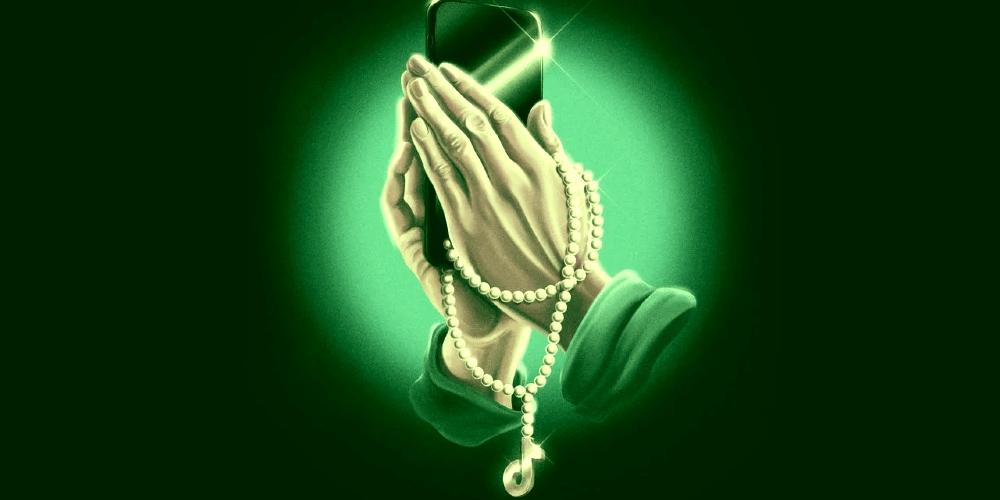
TikTok, owned by the Chinese company ByteDance, faces fresh scrutiny after a damning report exposed its algorithm feeding explicit sexual material to accounts set up for 13-year-olds. Researchers from Global Witness created seven fake profiles posing as young teens in the UK, all with restricted mode activated—a setting TikTok claims filters out inappropriate content. Yet, the app wasted no time in steering these accounts toward pornography.
“Encountered pornographic content just a small number of clicks after setting up the account,” the report stated. “This ranged from content showing women flashing to hardcore porn showing penetrative sex.”
Similar findings emerged from other investigations, where TikTok’s search suggestions aggressively directed minors to sexualized videos, even without any prior activity that could justify it. This pattern persists despite TikTok’s repeated assurances of child safety measures, raising alarms about how the platform grooms vulnerable users into deeper exposure.
The issue runs deeper when examining TikTok’s selective enforcement. While explicit content floods feeds aimed at kids, the app clamps down on wholesome alternatives rooted in faith. Take TruPlay, a developer of Bible-based mobile games designed for children ages 5 to 12, which turns screen time into opportunities for spiritual growth. Their ads, meant to promote family-friendly entertainment, keep getting rejected or shadow-banned. TikTok cited violations for “featuring or promoting sensitive religious content.” One ad featuring women’s rights advocate Riley Gaines barely scraped 1,000 views, while promotions for games like Diablo—complete with demonic imagery—racked up millions in days.
This double standard isn’t accidental. ByteDance’s ties to the Chinese Communist Party, known for its ruthless suppression of religious freedoms, suggest a deliberate agenda. Internal guidelines leaked years ago revealed TikTok moderators censoring topics like Tiananmen Square or Falun Gong, anything that challenges Beijing’s narrative.
Extend that logic: by burying Christian messages and amplifying sexual depravity, the app could be weaponized to corrode the moral fabric of Western youth. It’s no stretch to see this as part of a broader infiltration—pushing propaganda that aligns with CCP interests while eroding traditional values that strengthen societies against authoritarian control. Studies have shown TikTok downplays content critical of China, favoring state-approved views instead.
Even with President Trump’s recent executive order in September 2025, which aimed to wrest some control by having ByteDance lease its algorithm to a U.S. entity, the core problems linger.
“ByteDance would copy the algorithm it uses to recommend content to users and then lease it to the new [US] entity,” as The Wall Street Journal reported. But skeptics argue this is mere window dressing, leaving the manipulative code—forged under CCP oversight—intact to continue its work.
Parents can’t rely on regulators alone. Millions of kids, including those under the 13-year age limit dubbed “TikTots,” sneak onto the platform daily, absorbing content that warps their innocence. The smart move? Block TikTok entirely and steer families toward edifying pursuits like Scripture study, outdoor play, or apps like TruPlay that “turn game time into God time.” Until real accountability hits, this app remains a gateway to corruption, courtesy of forces eager to see our foundations crumble.

Starting the Day With a Scripture-Inspired Roast Helps Center Your Thoughts on Eternal Truths Amid Temporal Pressures
The world can seem chaotic, especially right after we wake up. Many believers start their mornings reaching for something familiar — a hot cup of coffee — yet end up settling for mediocre brews that do little more than deliver a caffeine jolt. The daily grind of life, with its endless distractions, news cycles, and responsibilities, can leave even the most faithful feeling spiritually parched alongside their physical fatigue. What if your morning ritual could do more than wake you up? What if it could ground you in truth, nourish your body with exceptional quality, and quietly advance a kingdom purpose at the same time?
That’s the promise — and the reality — behind Promised Grounds Coffee. This Christian-founded company doesn’t just roast beans; it approaches every step as an act of worship and discipleship. By selecting only the top 10% of specialty-grade beans, ethically sourced from dedicated farmers in Central and South America, and small-batch roasting them with reverence in Austin, Texas, Promised Grounds delivers what many describe as the best coffee available — never burnt, never bland, but rich with origin stories and layered flavors that honor God’s creation.
From the vibrant Psalm 27 Roast (a light, bright medium option) to the bold yet peaceful 2 Timothy 1:7 Decaf, each bag carries a Scripture verse that turns your daily pour into a gentle reminder of faith. And through their Ounce Per Ounce Promise, every ounce of coffee you enjoy provides an equal ounce of clean water to families in need via partnership with Filter of Hope — literally brewing hope for body and soul, one cup at a time.
The challenge for today’s Christians runs deeper than finding a decent cup. In an age of convenience-driven consumerism, it’s easy to support companies that dilute values or remain silent on matters of faith. Many believers want their everyday choices — from what they drink to how they spend — to reflect discipleship rather than just convenience. Promised Grounds solves this by weaving Christian excellence into the entire process: beans nurtured with prayerful stewardship by farming families, roasted as an offering rather than a commodity, and packaged with Bible verses to encourage a mindset of gratitude and purpose from the first sip. Reviewers consistently praise the smooth, rich profiles — whether enjoyed black in a drip maker, iced on a warm day, or shared in fellowship — noting how the quality stands toe-to-toe with premium secular brands while delivering something far more meaningful.
This integration of faith and flavor addresses a real need in Christian households and ministries. Busy parents, church leaders, and remote workers alike report that starting the day with a Scripture-inspired roast helps center their thoughts on eternal truths amid temporal pressures. The coffee’s exceptional character — bright citrus notes in lighter roasts or deep chocolate undertones in bolder ones — comes from meticulous selection and careful roasting that respects the bean’s natural gifts rather than masking them. It’s the kind of coffee that elevates a simple quiet time, fuels productive workdays, or sparks meaningful conversations when shared at Bible studies or outreach events. And because it’s ethically sourced with integrity, every purchase supports sustainable livelihoods for farmers who treat their crops like family harvests.
For those leading churches or small groups, the impact multiplies. Promised Grounds offers bundles and options perfect for hospitality ministries, turning ordinary coffee service into an opportunity to point people toward the living water of Christ. Imagine greeting visitors with a warm cup whose very bag carries God’s Word — a subtle yet powerful witness that aligns with the Great Commission. The company’s Texas roots and commitment to “brewing hope” resonate especially with believers who value American enterprise paired with global compassion.
Of course, quality alone isn’t enough if the experience feels out of reach. Promised Grounds keeps it accessible with practical perks like free shipping on orders over $40, sample sets for discovering favorites, and thoughtful add-ons such as faith-themed mugs. Whether you prefer whole beans for fresh grinding, grounds for convenience, or even bulk options for larger households and ministries, the result is consistently superior coffee that makes discipleship feel integrated rather than added on.
As you consider how to align even the smallest habits with your walk with God, Promised Grounds Coffee stands out as a refreshing solution. It tackles the dual problems of subpar daily sustenance and disconnected consumption by offering a product that genuinely excels in taste while advancing a mission of clean water, farmer dignity, and scriptural encouragement. Believers who make the switch often describe it as more than a beverage upgrade — it becomes part of their rhythm of gratitude, a daily invitation to remember that every good gift comes from above.
If you’re ready to transform your mornings (and perhaps your church gatherings) with coffee that honors both exceptional craftsmanship and Christian values, I encourage you to explore what Promised Grounds has to offer. One sip at a time, you’ll be nourishing your body, refreshing your spirit, and participating in something far greater — all while enjoying what truly is among the best coffee available.

now TikTok is owned by the Juice box all you’ll see in it will be anti Christian pro Israel propaganda
The Chinese no longer own it, the Jews do.
TikTok will no longer expose Israel’s crimes.
If porn for kids to say would be removed, that would be big, though.