

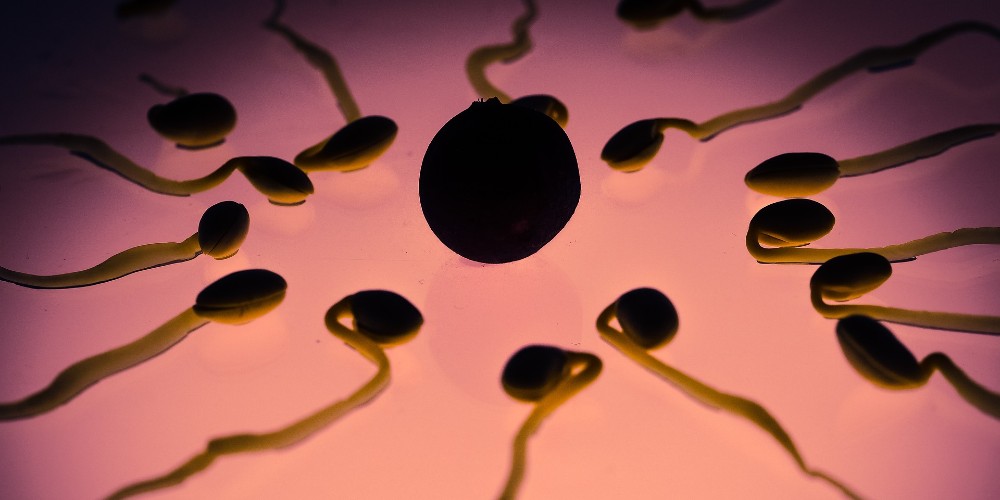

Over the past 50 years, male populations have been emasculated by endocrine-disrupting chemicals. According to a newly updated meta-analysis, which includes 2,936 abstracts and 868 full articles, total sperm count and sperm concentration have fallen steadily every year since 1972. Overall, sperm counts have decreased by more than 50% over a 50-year period. Male infertility rates are becoming a public health crisis.
The new meta-analysis, published in the journal Human Reproduction Update, analyzes sperm count data from 38 studies conducted on six continents. From 1972 to year 2000, sperm counts have decreased by an average of 1.16% every year. Since 2000, infertility rates have continued, at over twice that rate. Total sperm count has declined by 2.64% annually over the past 22 years! The male infertility epidemic spans North America, Europe, and Australia, and also South and Central America, Asia, and Africa.
“The aim of this study was to examine trends in sperm count among men from all continents. The broader implications of a global decline in sperm count, the knowledge gaps left unfilled by our prior analysis, and the controversies surrounding this issue warranted an up-to-date meta-analysis,” said the authors.
Endocrine disruption and malnutrition have weakened the modern male and female
Endocrine disruptors interfere with the body’s hormones — the chemical messages that are vital to male and female development. Endocrine disrupters may compete with normal testosterone, estrogen, androgen and progesterone levels. They may directly interfere with the function of the glands, such as the thyroid, testes, and ovaries. Over time, these disruptions can lead to: dysmenorrhea (painful menstruation), uterine fibroids, thyroid problems, insulin resistance and Type-2 diabetes, weight gain, metabolism issues, premature breast development, less masculine behavior in boys, inhibition, low sperm count, abnormal sexual development of fetuses, miscarriage, mood swings and behavioral issues, endometriosis and ovarian cysts, compromised immune function, and infertility.
Endocrine disruptors are ingested, absorbed through the skin, and inhaled in the air. They are derived from everyday household items, such as plastic bottles and containers, metal food can liners, detergents, flame retardants, toys, receipts, and pesticides.
Common endocrine disruptors include herbicides and pesticides such as glyphosate, atrazine, organophosphates, DEET, DDT, 2, 4-D pesticide, and the inert ingredients in Roundup. Heavy metals such as mercury, lead, arsenic, and aluminum also compete with nutrients, negatively affecting proper hormone signaling. Plastic chemicals are pervasive endocrine disruptors. These include BPA, styrene, parabens, toluene, phthalates, (diethylhexyl phthalate) dioxins, and PCBs. Common household scented products contain fragrance chemicals that disrupt hormones. Products like laundry detergent, scented plugins, sunscreens, chlorine, fluoride, and polyfluoroalkyl and perfluoroalkyl substances (PFASs) are all toxic to fertility.
Endocrine disruptors compete with testosterone and androgens, convert testosterone to estrogen
Most of these endocrine disrupting chemicals take a long time to degrade in the environment, and many embed in the fatty tissues of the body, exerting their toxic effects over time. Most importantly, these disruptors affect fetal maturation and sexual differentiation in the early stages of pregnancy. The chemicals can stop the production of testosterone in utero, negatively affecting the sexual development of the male fetus. Phthalates will occupy the androgen and testosterone receptors, telling the body to produce less testosterone.
“The proliferation of estrogenic chemicals is a major concern,” says Robin Bernhoft, M.D., former president of the American Academy of Environmental Medicine. “Research has shown that 80 percent of male trout in Colorado had intersex genitalia, a high percentage of male crocodiles in Florida lack penises, and so forth. This is happening on many levels: Direct toxicity from PCBs, direct estrogenic effects from plastics, pesticides, and mercury among other toxins—but also a secondary effect—the stimulation of aromatase, a hormone which then converts testosterone to estrogen independently of the other factors. Pollution in general … stimulates aromatase which then converts available testosterone to estrogen. It is quite scary.”
Sources include:

Three Reasons a Coffee Gift Set From This Christian Company Is Perfect for Christmas

When you’re searching for a Christmas gift that’s meaningful, useful, and rooted in faith, you don’t want to settle for anything generic. This season is filled with noise — mass-produced products, last-minute picks, and trends that fade as quickly as they appear. But one gift stands apart because it blends genuine quality with a message that matters: a coffee gift set from Promised Grounds Coffee.
This small Christian-owned company has become a favorite among believers who want to support faith-driven businesses while giving friends and family something they’ll actually enjoy. Here are three reasons a Promised Grounds Coffee gift set may be the most thoughtful and impactful present you give this year.
1. It’s Truly Delicious Coffee
Too many “gift-worthy” coffees look beautiful in the package but disappoint when the cup is poured. Promised Grounds takes the opposite approach — exceptional taste first, thoughtful presentation second.
Their beans are sourced with care, roasted in small batches, and crafted to bring out a rich, smooth flavor profile that appeals to both casual drinkers and true coffee lovers. Whether someone enjoys bold, dark roasts or lighter, more delicate blends, every sip reflects quality that stands shoulder-to-shoulder with the biggest specialty brands.
Simply put: this coffee is good. Really good. Some say it’s absolutely fantastic. If you want a gift that won’t be re-gifted, ignored, or shoved in a cabinet, this is it.
2. It Spreads the Word While Serving a Real Purpose
There are many Christian gifts that are meaningful… but not exactly practical. There are also useful gifts that have nothing to do with faith. Promised Grounds Coffee bridges both worlds beautifully.
Each gift set delivers an encouraging, faith-centered message through its packaging and presentation — a simple but powerful reminder of God’s goodness during the Christmas season. The cups are especially popular and serve as a daily reminder of the blessings from our Lord. At the same time, the product itself is something people will actually use and appreciate every single day.
It’s a gift that uplifts the spirit and fills the mug. A gift that points loved ones toward Scripture while still being part of the normal rhythm of life. And in a culture that increasingly pushes faith to the margins, giving a gift that quietly but confidently honors Christ can make a deeper impact than you might expect.
3. It’s Affordable, Valuable, and Elegantly Presented
Many people want to give something meaningful without breaking their Christmas budget. Promised Grounds Coffee strikes that perfect balance — the sets look and feel premium, but the price remains accessible.
The packaging is classy, clean, and gift-ready, making it ideal for:
- Family members of all ages
- Co-workers or employees
- Church friends or small-group leaders
- Hosts, neighbors, and last-minute gift needs
It’s the kind of gift that feels more expensive than it is — and more thoughtful than most of what you’ll find on store shelves.
The Perfect Blend of Faith, Flavor, and Christmas Cheer
A coffee gift set from Promised Grounds Coffee checks every box: a gift that tastes amazing, conveys your faith, supports a Christian business, and brings daily enjoyment to the person who receives it. In a season when so many gifts are forgotten, this one stands out for all the right reasons.
If you want a Christmas present that reflects your values and delivers genuine joy, Promised Grounds Coffee is the perfect place to start.
