

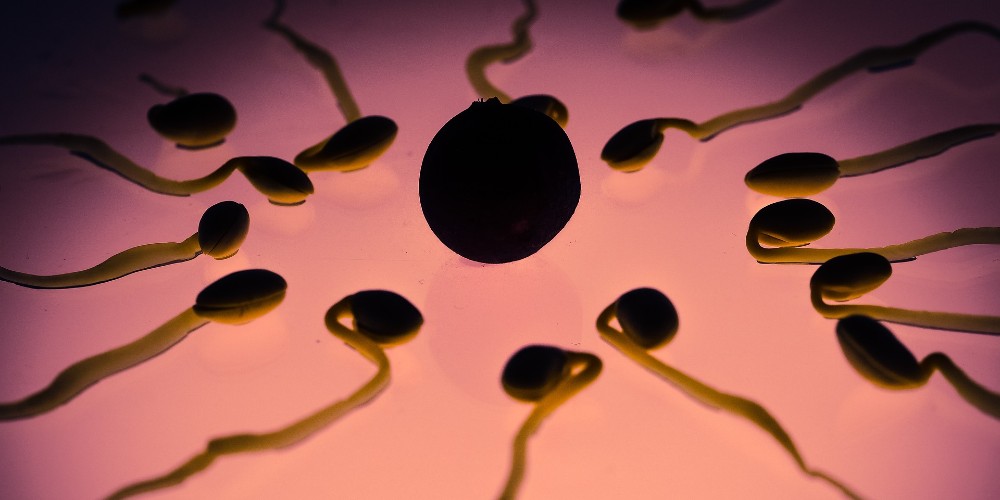
Over the past 50 years, male populations have been emasculated by endocrine-disrupting chemicals. According to a newly updated meta-analysis, which includes 2,936 abstracts and 868 full articles, total sperm count and sperm concentration have fallen steadily every year since 1972. Overall, sperm counts have decreased by more than 50% over a 50-year period. Male infertility rates are becoming a public health crisis.
The new meta-analysis, published in the journal Human Reproduction Update, analyzes sperm count data from 38 studies conducted on six continents. From 1972 to year 2000, sperm counts have decreased by an average of 1.16% every year. Since 2000, infertility rates have continued, at over twice that rate. Total sperm count has declined by 2.64% annually over the past 22 years! The male infertility epidemic spans North America, Europe, and Australia, and also South and Central America, Asia, and Africa.
“The aim of this study was to examine trends in sperm count among men from all continents. The broader implications of a global decline in sperm count, the knowledge gaps left unfilled by our prior analysis, and the controversies surrounding this issue warranted an up-to-date meta-analysis,” said the authors.
Endocrine disruption and malnutrition have weakened the modern male and female
Endocrine disruptors interfere with the body’s hormones — the chemical messages that are vital to male and female development. Endocrine disrupters may compete with normal testosterone, estrogen, androgen and progesterone levels. They may directly interfere with the function of the glands, such as the thyroid, testes, and ovaries. Over time, these disruptions can lead to: dysmenorrhea (painful menstruation), uterine fibroids, thyroid problems, insulin resistance and Type-2 diabetes, weight gain, metabolism issues, premature breast development, less masculine behavior in boys, inhibition, low sperm count, abnormal sexual development of fetuses, miscarriage, mood swings and behavioral issues, endometriosis and ovarian cysts, compromised immune function, and infertility.
Endocrine disruptors are ingested, absorbed through the skin, and inhaled in the air. They are derived from everyday household items, such as plastic bottles and containers, metal food can liners, detergents, flame retardants, toys, receipts, and pesticides.
Common endocrine disruptors include herbicides and pesticides such as glyphosate, atrazine, organophosphates, DEET, DDT, 2, 4-D pesticide, and the inert ingredients in Roundup. Heavy metals such as mercury, lead, arsenic, and aluminum also compete with nutrients, negatively affecting proper hormone signaling. Plastic chemicals are pervasive endocrine disruptors. These include BPA, styrene, parabens, toluene, phthalates, (diethylhexyl phthalate) dioxins, and PCBs. Common household scented products contain fragrance chemicals that disrupt hormones. Products like laundry detergent, scented plugins, sunscreens, chlorine, fluoride, and polyfluoroalkyl and perfluoroalkyl substances (PFASs) are all toxic to fertility.
Endocrine disruptors compete with testosterone and androgens, convert testosterone to estrogen
Most of these endocrine disrupting chemicals take a long time to degrade in the environment, and many embed in the fatty tissues of the body, exerting their toxic effects over time. Most importantly, these disruptors affect fetal maturation and sexual differentiation in the early stages of pregnancy. The chemicals can stop the production of testosterone in utero, negatively affecting the sexual development of the male fetus. Phthalates will occupy the androgen and testosterone receptors, telling the body to produce less testosterone.
“The proliferation of estrogenic chemicals is a major concern,” says Robin Bernhoft, M.D., former president of the American Academy of Environmental Medicine. “Research has shown that 80 percent of male trout in Colorado had intersex genitalia, a high percentage of male crocodiles in Florida lack penises, and so forth. This is happening on many levels: Direct toxicity from PCBs, direct estrogenic effects from plastics, pesticides, and mercury among other toxins—but also a secondary effect—the stimulation of aromatase, a hormone which then converts testosterone to estrogen independently of the other factors. Pollution in general … stimulates aromatase which then converts available testosterone to estrogen. It is quite scary.”
Sources include:

Starting the Day With a Scripture-Inspired Roast Helps Center Your Thoughts on Eternal Truths Amid Temporal Pressures
The world can seem chaotic, especially right after we wake up. Many believers start their mornings reaching for something familiar — a hot cup of coffee — yet end up settling for mediocre brews that do little more than deliver a caffeine jolt. The daily grind of life, with its endless distractions, news cycles, and responsibilities, can leave even the most faithful feeling spiritually parched alongside their physical fatigue. What if your morning ritual could do more than wake you up? What if it could ground you in truth, nourish your body with exceptional quality, and quietly advance a kingdom purpose at the same time?
That’s the promise — and the reality — behind Promised Grounds Coffee. This Christian-founded company doesn’t just roast beans; it approaches every step as an act of worship and discipleship. By selecting only the top 10% of specialty-grade beans, ethically sourced from dedicated farmers in Central and South America, and small-batch roasting them with reverence in Austin, Texas, Promised Grounds delivers what many describe as the best coffee available — never burnt, never bland, but rich with origin stories and layered flavors that honor God’s creation.
From the vibrant Psalm 27 Roast (a light, bright medium option) to the bold yet peaceful 2 Timothy 1:7 Decaf, each bag carries a Scripture verse that turns your daily pour into a gentle reminder of faith. And through their Ounce Per Ounce Promise, every ounce of coffee you enjoy provides an equal ounce of clean water to families in need via partnership with Filter of Hope — literally brewing hope for body and soul, one cup at a time.
The challenge for today’s Christians runs deeper than finding a decent cup. In an age of convenience-driven consumerism, it’s easy to support companies that dilute values or remain silent on matters of faith. Many believers want their everyday choices — from what they drink to how they spend — to reflect discipleship rather than just convenience. Promised Grounds solves this by weaving Christian excellence into the entire process: beans nurtured with prayerful stewardship by farming families, roasted as an offering rather than a commodity, and packaged with Bible verses to encourage a mindset of gratitude and purpose from the first sip. Reviewers consistently praise the smooth, rich profiles — whether enjoyed black in a drip maker, iced on a warm day, or shared in fellowship — noting how the quality stands toe-to-toe with premium secular brands while delivering something far more meaningful.
This integration of faith and flavor addresses a real need in Christian households and ministries. Busy parents, church leaders, and remote workers alike report that starting the day with a Scripture-inspired roast helps center their thoughts on eternal truths amid temporal pressures. The coffee’s exceptional character — bright citrus notes in lighter roasts or deep chocolate undertones in bolder ones — comes from meticulous selection and careful roasting that respects the bean’s natural gifts rather than masking them. It’s the kind of coffee that elevates a simple quiet time, fuels productive workdays, or sparks meaningful conversations when shared at Bible studies or outreach events. And because it’s ethically sourced with integrity, every purchase supports sustainable livelihoods for farmers who treat their crops like family harvests.
For those leading churches or small groups, the impact multiplies. Promised Grounds offers bundles and options perfect for hospitality ministries, turning ordinary coffee service into an opportunity to point people toward the living water of Christ. Imagine greeting visitors with a warm cup whose very bag carries God’s Word — a subtle yet powerful witness that aligns with the Great Commission. The company’s Texas roots and commitment to “brewing hope” resonate especially with believers who value American enterprise paired with global compassion.
Of course, quality alone isn’t enough if the experience feels out of reach. Promised Grounds keeps it accessible with practical perks like free shipping on orders over $40, sample sets for discovering favorites, and thoughtful add-ons such as faith-themed mugs. Whether you prefer whole beans for fresh grinding, grounds for convenience, or even bulk options for larger households and ministries, the result is consistently superior coffee that makes discipleship feel integrated rather than added on.
As you consider how to align even the smallest habits with your walk with God, Promised Grounds Coffee stands out as a refreshing solution. It tackles the dual problems of subpar daily sustenance and disconnected consumption by offering a product that genuinely excels in taste while advancing a mission of clean water, farmer dignity, and scriptural encouragement. Believers who make the switch often describe it as more than a beverage upgrade — it becomes part of their rhythm of gratitude, a daily invitation to remember that every good gift comes from above.
If you’re ready to transform your mornings (and perhaps your church gatherings) with coffee that honors both exceptional craftsmanship and Christian values, I encourage you to explore what Promised Grounds has to offer. One sip at a time, you’ll be nourishing your body, refreshing your spirit, and participating in something far greater — all while enjoying what truly is among the best coffee available.
