

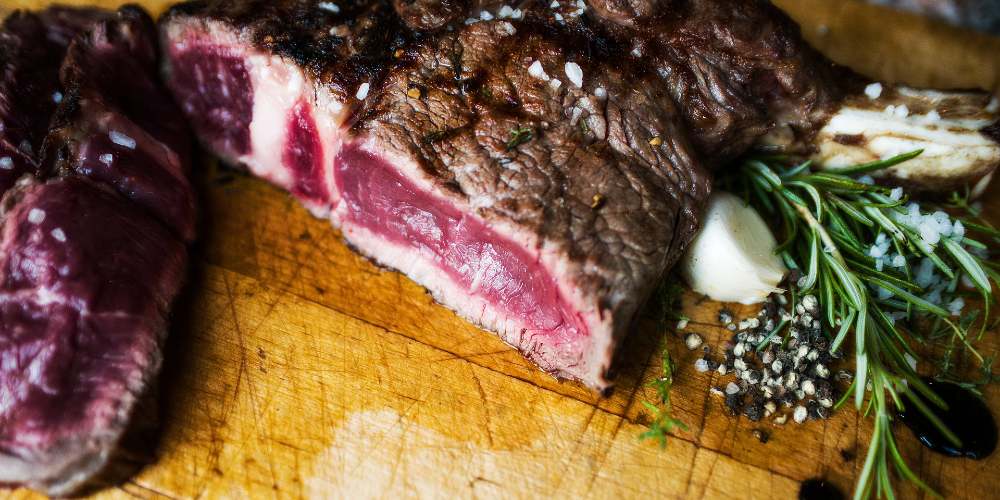
Dozens of experts were asked to look into the science behind claims that meat eating causes disease and is harmful for the planet in a special issue of a journal called Animal Frontiers. They have warned against a widespread societal push towards plant-based diets, arguing that poorer communities with low meat intake often suffer from stunting, wasting and anemia driven by a lack of vital nutrients and protein.
Thousands of scientists across the globe have also joined The Dublin Declaration, a group stating that livestock farming is too important to society to “become the victim of zealotry.” They say that many of the negative claims about meat in our diet are simply not true.
The Dublin Declaration group has published a statement allowing global signatories to join them in defending meat supported diets and contradicting common claims made by establishment institutions against livestock in agriculture. In particular, the scientists stress that meats provide vitamin B12 intake in human diets, play a major role in supplying retinol, omega-3 fatty acids and minerals such as iron and zinc, as well as important compounds for metabolism, such as taurine and creatine. There is no vegan equivalent that fills these nutritional needs and a number of supplements are often required to keep them healthy.
Scientists note that only well resourced (wealthier) people have the means to abandon meat in their diets and consume vegetables and carbs alone. In other words, veganism is a first world ideology that is impractical for the majority of the global population. Even India, a developing nation often cited by anti-meat activists for its religious stance against killing animals, still has a 70% meat eating population.
Previous studies (such as the Global Burden of Diseases, Injuries and Risk Factor Study, published in The Lancet in 2020) warning against the “dangers” of meat are also being debunked. Dr Alice Stanton, of the Royal College of Surgeons in Ireland, one of the authors of a review of anti-meat claims, notes:
“The peer-reviewed evidence published reaffirms that [the 2019 Global Burden of Disease Risk Factors Report] which claimed that consumption of even tiny amounts of red meat harms health is fatally scientifically flawed…In fact, removing fresh meat and dairy from diets would harm human health. Women, children, the elderly and low income would be particularly negatively impacted.”
The anti-meat movement most likely finds its roots in astroturf. Pro-vegan research tends to be funded by globalist institutions like the UN and the WEF, which have made clear that they want meat to become a “rare treat” rather than a dietary staple.
This would be accomplished by a number of means, but a primary tool would be emissions taxation on farmers and agricultural products leading to artificially higher prices. The UN hopes to ward much of the populace away from meat by making it unaffordable. This is similar to the tactic they have recommended for pushing people away from “fossil fuels.” If price is a problem and you still need protein, the globalists suggest fake meat (which is more expensive than real meat for now), or shifting to a third world diet and eating bugs instead.
The UN says its goal is to enforce a completely meat and dairy free human diet by 2050 in order to “fight climate change,” though they have been caught in the past greatly exaggerating how much livestock methane contributes to overall emissions. Even if you believe that there is a real climate crisis (despite there being no evidence to support the hype), there is still the fact that livestock emissions are a negligible portion of supposed “greenhouse gases.” You wouldn’t be accomplishing anything to save the planet by becoming vegan.
When climate hysteria is not effective, the same groups try to frighten people away from meat using fraudulent health concerns. We have seen this lately in the meat issue as well as with natural gas appliances. Baseless health risk claims are promoted using the corporate media as an amplifier, and the evidence proving the claims wrong is never addressed.
Without regular access to meat vast numbers of people may be dependent on manufactured supplements to stay healthy. Much of these supplements are produced in countries overseas that may become hostile and cut off exports. Not to mention, governments could also control the supplies for their own citizens as leverage. The price factor for foods would make sustaining the current population untenable, leading to either mass starvation or deliberate population reduction.
Article cross-posted from Zero Hedge.

Starting the Day With a Scripture-Inspired Roast Helps Center Your Thoughts on Eternal Truths Amid Temporal Pressures
The world can seem chaotic, especially right after we wake up. Many believers start their mornings reaching for something familiar — a hot cup of coffee — yet end up settling for mediocre brews that do little more than deliver a caffeine jolt. The daily grind of life, with its endless distractions, news cycles, and responsibilities, can leave even the most faithful feeling spiritually parched alongside their physical fatigue. What if your morning ritual could do more than wake you up? What if it could ground you in truth, nourish your body with exceptional quality, and quietly advance a kingdom purpose at the same time?
That’s the promise — and the reality — behind Promised Grounds Coffee. This Christian-founded company doesn’t just roast beans; it approaches every step as an act of worship and discipleship. By selecting only the top 10% of specialty-grade beans, ethically sourced from dedicated farmers in Central and South America, and small-batch roasting them with reverence in Austin, Texas, Promised Grounds delivers what many describe as the best coffee available — never burnt, never bland, but rich with origin stories and layered flavors that honor God’s creation.
From the vibrant Psalm 27 Roast (a light, bright medium option) to the bold yet peaceful 2 Timothy 1:7 Decaf, each bag carries a Scripture verse that turns your daily pour into a gentle reminder of faith. And through their Ounce Per Ounce Promise, every ounce of coffee you enjoy provides an equal ounce of clean water to families in need via partnership with Filter of Hope — literally brewing hope for body and soul, one cup at a time.
The challenge for today’s Christians runs deeper than finding a decent cup. In an age of convenience-driven consumerism, it’s easy to support companies that dilute values or remain silent on matters of faith. Many believers want their everyday choices — from what they drink to how they spend — to reflect discipleship rather than just convenience. Promised Grounds solves this by weaving Christian excellence into the entire process: beans nurtured with prayerful stewardship by farming families, roasted as an offering rather than a commodity, and packaged with Bible verses to encourage a mindset of gratitude and purpose from the first sip. Reviewers consistently praise the smooth, rich profiles — whether enjoyed black in a drip maker, iced on a warm day, or shared in fellowship — noting how the quality stands toe-to-toe with premium secular brands while delivering something far more meaningful.
This integration of faith and flavor addresses a real need in Christian households and ministries. Busy parents, church leaders, and remote workers alike report that starting the day with a Scripture-inspired roast helps center their thoughts on eternal truths amid temporal pressures. The coffee’s exceptional character — bright citrus notes in lighter roasts or deep chocolate undertones in bolder ones — comes from meticulous selection and careful roasting that respects the bean’s natural gifts rather than masking them. It’s the kind of coffee that elevates a simple quiet time, fuels productive workdays, or sparks meaningful conversations when shared at Bible studies or outreach events. And because it’s ethically sourced with integrity, every purchase supports sustainable livelihoods for farmers who treat their crops like family harvests.
For those leading churches or small groups, the impact multiplies. Promised Grounds offers bundles and options perfect for hospitality ministries, turning ordinary coffee service into an opportunity to point people toward the living water of Christ. Imagine greeting visitors with a warm cup whose very bag carries God’s Word — a subtle yet powerful witness that aligns with the Great Commission. The company’s Texas roots and commitment to “brewing hope” resonate especially with believers who value American enterprise paired with global compassion.
Of course, quality alone isn’t enough if the experience feels out of reach. Promised Grounds keeps it accessible with practical perks like free shipping on orders over $40, sample sets for discovering favorites, and thoughtful add-ons such as faith-themed mugs. Whether you prefer whole beans for fresh grinding, grounds for convenience, or even bulk options for larger households and ministries, the result is consistently superior coffee that makes discipleship feel integrated rather than added on.
As you consider how to align even the smallest habits with your walk with God, Promised Grounds Coffee stands out as a refreshing solution. It tackles the dual problems of subpar daily sustenance and disconnected consumption by offering a product that genuinely excels in taste while advancing a mission of clean water, farmer dignity, and scriptural encouragement. Believers who make the switch often describe it as more than a beverage upgrade — it becomes part of their rhythm of gratitude, a daily invitation to remember that every good gift comes from above.
If you’re ready to transform your mornings (and perhaps your church gatherings) with coffee that honors both exceptional craftsmanship and Christian values, I encourage you to explore what Promised Grounds has to offer. One sip at a time, you’ll be nourishing your body, refreshing your spirit, and participating in something far greater — all while enjoying what truly is among the best coffee available.
