

Editor’s Commentary: In the article below by our great friends at Natural News, author Zoey Sky lists the 50 items she believes everyone should have before the crap hits the fan. I adore Zoey’s writing, but I have to admit that putting together a list with a perfectly round number rubs me the wrong way because it makes me wonder, “Were there 53 but she dropped three of them because she wanted to hit the 50 mark? Or were there 48 but she added two that weren’t really necessary?”
Anyway, nitpicking aside, I do have two additions for this list. First and foremost, if you’re a Bible-believing Christian there is no prepper list that can be complete without multiple Bibles ready to go. We have at least a dozen we’ve accumulated over the years, and knowing my wife there are probably a dozen others I’ve never even seen. Some are small, some are large. Different translations. Whether the crap hits the fan or not, the most important thing on either side of the apocalypse is your Bible. Today, most have easy access to it. In the future, you may be wishing you did.
The other addition I would put on this list is firearms and ammunition. She lists stun guns and pepper spray for self-defense which are acceptable when on the move and only need to slow an assailant while you run away, but they are NOT acceptable self-defense weapons for home safety if the crap hits the fan. Neither is guaranteed to stop an assailant, nor are they great against multiple assailants. Moreover, what are you going to do if someone enters your home in a collapsed society in which you cannot just have the police come to pick them up after you pepper spray them? Are you going to drag them outside and hope they don’t come back? Then, of course, there’s the old adage, “Never bring pepper spray to a gun fight.”
Otherwise, this is a great starter list for “Late Preppers.” I would STRONGLY recommend everyone visits my preparedness page. We hand-selected sponsors based on two criteria: (1) Quality of products, and (2) Are they patriotic, America-First companies? We have excellent options for long-term storage food, precious metals, bugout bags, med kits, solar power, long-term storage antibiotics… check it out for yourself.
Here’s Zoey’s list…
Many life-threatening situations can catch preppers off-guard. But you can prepare for most disasters by stocking up on essential supplies like food and survival gear.
And while even the most experienced prepper can’t anticipate all disaster scenarios, knowing you’re prepared can help ease some of your worries. Detailed below are 50 survival items you should always have in your home before SHTF. (h/t to AskAPrepper.com)
Alternative power sources
These alternative power sources will come in handy if the power goes out at night.
Flashlight
If the power goes off, you will need a sturdy flashlight and batteries to navigate home.
You can also keep things hands-free by getting headlamps, while lanterns will also help keep your home lit.
Generator
An emergency backup generator can help keep the lights on at home during a power outage. It will also keep your electric appliances working.
Hand-crank radios
A cordless hand-crank radio will be an essential source of weather alerts, power and light after SHTF.
Matches
You will need matches, especially waterproof ones, to help start fires in a damp area or light candles.
Spare light bulbs
Keep spare light bulbs at home in case the ones you are using are burned out and it isn’t safe to get new ones after SHTF.

Health and safety supplies
The supplies will help keep your home clean and prevent infections.
Bleach
Bleach is a versatile ingredient that can be used as a disinfectant to kill bacteria, fungi and viruses.
Essential hygiene items
You need assorted hygiene items to maintain proper hygiene and avoid the spread of disease.
Fire extinguisher
Make sure you have a fire extinguisher at home to help extinguish or control fires.
First aid kit
Your SHTF first aid kit should include the following items:
- Antacid
- Antiseptic wipes
- Bandages (assorted sizes)
- Burn gel
- Cough drops
- Gloves
- Hydrocortisone anti-itch cream
- Hydrogen peroxide
- Laxatives
- Medicines
- Petroleum jelly
- Rubbing alcohol
- Scissors
- Splints
- Thermometers
- Tweezers
Hand warmers
If you lose power in the winter, hand warmers will provide heat. They can also provide soothing heat for muscular or joint aches.

Insecticide
Use insecticides at home in cases of pests and disease outbreaks.
Moist towelettes
If you don’t have hand sanitizers or access to soap and running water, use moist towelettes to sanitize a dirty surface.
Respirator masks and gas masks
When environmental disasters strike, a respirator mask will help protect your family from the contaminated air.
If you find yourself stuck in a pandemic, chemical or biological attack, using a gas mask may be the difference between life and death.
Seeds for medicinal plants
You will want to grow your own medicinal herbs in your home garden when going to the pharmacy isn’t an option.
A shovel
A shovel can be used to dig in your garden, or it can be used as a makeshift weapon for self-defense.
Sanitation and hygiene
These must-have items will keep your home clean and sanitized even after SHTF.
Garbage bags
Get sturdy garbage bags to get rid of waste properly and keep your home clean.
Off-grid laundry
When there is a power outage, you can use five-gallon buckets, a washboard and clothespins to wash and dry clothes even if you can’t use your washing machine.
Portable toilets
If you need portable toilets after SHTF, get a five-gallon bucket that can be emptied at a distance from your homestead.
Self-defense
When SHTF, you may need these tools for self-defense.
Stun gun
Keep a self-defense weapon like a stun gun at home in case looters try to steal from your property during civil unrest.
Pepper spray
Pepper spray is another non-lethal self-defense item you should keep at home for emergencies. If you prefer something stronger, learn how to use your firearm of choice properly and stock up on extra ammo.
Bedding items
These items will ensure that you get a good night’s rest even after SHTF.
Emergency blanket
Emergency blankets will keep your body warm and prevent your body from losing heat, which can help save your life if you are suffering from hypothermia.
Extra pillows
Make sure you also have extra pillows at home so you can sleep well after disaster strikes.
Spare items
These spare items are useful for charging small devices or miscellaneous needs around the house.
Extra batteries
You’ll need lots of extra batteries for small items like flashlights and headlamps.
Notepad and pen
Use a notepad to stay organized, like keeping track of your food supplies.
If someone gets sick, write down someone’s symptoms and times they occur in case your doctor needs it.
Power bank
With a power bank, you can recharge your cell phone or flashlight.
Spare chargers
Always keep a spare USB and long cable charger for your phone and other rechargeable devices.
Spare glasses or contact lenses
If you or someone else in the family wears eyeglasses, you will need spare glasses or contact lenses in case something happens to your usual pair.
Spare home keys
Keep spare home keys so you can unlock the front door if you lose or can’t find your usual keys.
Food and water supplies
Food and water supplies are crucial if you plan on bugging in or staying at home after SHTF.
Food
Stock up on dry foods that can be stored for a long time like dried fruit or canned food. (Related: Food preservation 101: A step-by-step guide to air-drying fruits.)
Pet food and supplies
If you have pets, you also need to stock up on pet food and supplies so you can provide for their needs in case of emergencies.
Water
Always store clean water for drinking, cooking and sanitation for the whole family.
Water filter
You will need a water filter in case you lose access to clean running water and you have to filter rainwater or water from wild sources.
Vegetable seeds
With vegetable seeds you can grow your own food in a home garden.
User-friendly kitchen items
Use these tools for cooking and food prep when SHTF.
Aluminum foil
Use aluminum foil to store leftover food or for cooking over flames.
Cast iron cookware
Cast iron pans are heavy duty and they can withstand high temperatures. Cast iron cookware is best for cooking over a direct flame on a campfire.
Insulated ice chests
Use insulated ice chests to keep your food cold when the power is out and you can’t use refrigerators.
Propane heater
Use a propane heater at home to heat water, cook and even dry clothes.
Rocket stove
When the power grid goes down, you can use a rocket stove to cook since it doesn’t need electricity.
Seasoned firewood
If you live in a cold climate, you can use seasoned firewood to stay warm.
Important documents and cash
Book of DIY projects
Use a book on DIY projects to help your family get through times of economic crisis, long-term blackouts, riots, hyperinflation, hurricanes, martial law or other unforeseen events that may disrupt your normal way of life.
Cash
Always keep emergency cash at home so you can buy supplies if you can’t withdraw money from the bank.
Important documents
Keep your important documents safe at home so you can easily access them if SHTF.
You can also save digital copies of documents like IDs and passports on an encrypted USB flash drive.
Assorted supplies for binding, tying, opening and sewing
Duct tape
If you have duct tape at home, you can use it to seal cracks temporarily. Duct tape can also be used to create a sturdy rope if you don’t have cordage.

Manual can opener
Make sure you have a manual can opener so you can safely open cans of food from your stockpile.
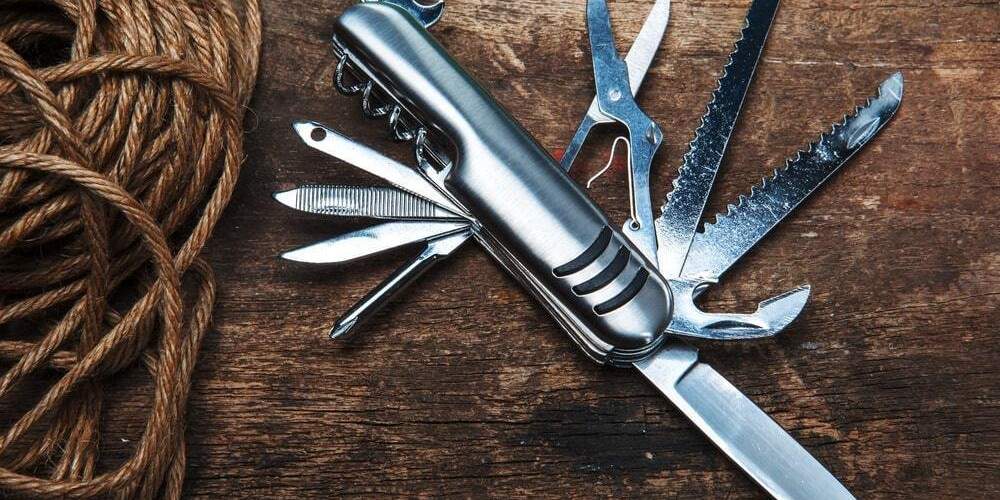
Multi-tool
With a good multi-tool, you can do quick repairs.
Plastic sheeting
After SHTF, you can use plastic sheeting to seal your windows, doors or air vents.
Plastic zip ties
Use plastic zip ties to close a garbage bag and avoid contamination.
Pliers
You’ll need sturdy pliers to cut an electric wire.
Thread and needle
You can use needles and thread to repair clothing or even suture a wound during emergencies.
Waterproof bags
Use waterproof bags to seal valuable items like phones, batteries and flammable materials and keep them dry after SHTF.
- Prepare before SHTF and stock up on survival essentials like food, water and various tools and supplies.
- Watch this video about cheap prepping items for your stockpile.
- This video is from the Survival 101 channel on Brighteon.com.
More related stories:
- Prepping 101: How long will bottled water last in your stockpile?
- Prepping must-haves: Medical supplies and first aid kits.
- Prepping essentials: Stock up on supplies now to prepare for looming food crisis.
Sources include:

Starting the Day With a Scripture-Inspired Roast Helps Center Your Thoughts on Eternal Truths Amid Temporal Pressures
The world can seem chaotic, especially right after we wake up. Many believers start their mornings reaching for something familiar — a hot cup of coffee — yet end up settling for mediocre brews that do little more than deliver a caffeine jolt. The daily grind of life, with its endless distractions, news cycles, and responsibilities, can leave even the most faithful feeling spiritually parched alongside their physical fatigue. What if your morning ritual could do more than wake you up? What if it could ground you in truth, nourish your body with exceptional quality, and quietly advance a kingdom purpose at the same time?
That’s the promise — and the reality — behind Promised Grounds Coffee. This Christian-founded company doesn’t just roast beans; it approaches every step as an act of worship and discipleship. By selecting only the top 10% of specialty-grade beans, ethically sourced from dedicated farmers in Central and South America, and small-batch roasting them with reverence in Austin, Texas, Promised Grounds delivers what many describe as the best coffee available — never burnt, never bland, but rich with origin stories and layered flavors that honor God’s creation.
From the vibrant Psalm 27 Roast (a light, bright medium option) to the bold yet peaceful 2 Timothy 1:7 Decaf, each bag carries a Scripture verse that turns your daily pour into a gentle reminder of faith. And through their Ounce Per Ounce Promise, every ounce of coffee you enjoy provides an equal ounce of clean water to families in need via partnership with Filter of Hope — literally brewing hope for body and soul, one cup at a time.
The challenge for today’s Christians runs deeper than finding a decent cup. In an age of convenience-driven consumerism, it’s easy to support companies that dilute values or remain silent on matters of faith. Many believers want their everyday choices — from what they drink to how they spend — to reflect discipleship rather than just convenience. Promised Grounds solves this by weaving Christian excellence into the entire process: beans nurtured with prayerful stewardship by farming families, roasted as an offering rather than a commodity, and packaged with Bible verses to encourage a mindset of gratitude and purpose from the first sip. Reviewers consistently praise the smooth, rich profiles — whether enjoyed black in a drip maker, iced on a warm day, or shared in fellowship — noting how the quality stands toe-to-toe with premium secular brands while delivering something far more meaningful.
This integration of faith and flavor addresses a real need in Christian households and ministries. Busy parents, church leaders, and remote workers alike report that starting the day with a Scripture-inspired roast helps center their thoughts on eternal truths amid temporal pressures. The coffee’s exceptional character — bright citrus notes in lighter roasts or deep chocolate undertones in bolder ones — comes from meticulous selection and careful roasting that respects the bean’s natural gifts rather than masking them. It’s the kind of coffee that elevates a simple quiet time, fuels productive workdays, or sparks meaningful conversations when shared at Bible studies or outreach events. And because it’s ethically sourced with integrity, every purchase supports sustainable livelihoods for farmers who treat their crops like family harvests.
For those leading churches or small groups, the impact multiplies. Promised Grounds offers bundles and options perfect for hospitality ministries, turning ordinary coffee service into an opportunity to point people toward the living water of Christ. Imagine greeting visitors with a warm cup whose very bag carries God’s Word — a subtle yet powerful witness that aligns with the Great Commission. The company’s Texas roots and commitment to “brewing hope” resonate especially with believers who value American enterprise paired with global compassion.
Of course, quality alone isn’t enough if the experience feels out of reach. Promised Grounds keeps it accessible with practical perks like free shipping on orders over $40, sample sets for discovering favorites, and thoughtful add-ons such as faith-themed mugs. Whether you prefer whole beans for fresh grinding, grounds for convenience, or even bulk options for larger households and ministries, the result is consistently superior coffee that makes discipleship feel integrated rather than added on.
As you consider how to align even the smallest habits with your walk with God, Promised Grounds Coffee stands out as a refreshing solution. It tackles the dual problems of subpar daily sustenance and disconnected consumption by offering a product that genuinely excels in taste while advancing a mission of clean water, farmer dignity, and scriptural encouragement. Believers who make the switch often describe it as more than a beverage upgrade — it becomes part of their rhythm of gratitude, a daily invitation to remember that every good gift comes from above.
If you’re ready to transform your mornings (and perhaps your church gatherings) with coffee that honors both exceptional craftsmanship and Christian values, I encourage you to explore what Promised Grounds has to offer. One sip at a time, you’ll be nourishing your body, refreshing your spirit, and participating in something far greater — all while enjoying what truly is among the best coffee available.
