

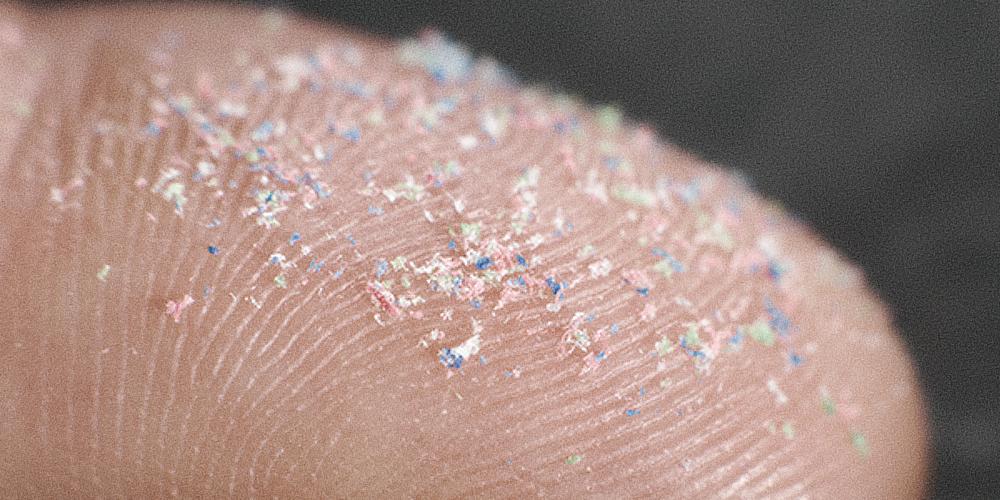
(Natural News)—Microplastic pollution in the environment is a worldwide problem with many negative side effects. Several studies have also suggested that once microplastics enter the human body, they can increase the risk of health problems such as heart attack, stroke and even death.
Plastic is a crucial product in industrial production and it is pervasive in daily life. However, when plastic products break down, they turn into microplastics or nanoplastics, which are much smaller. Microplastics are plastic pieces smaller than five millimeters, while nanoplastics measure below one micron (1,000 nanometers).
According to Lin Xiaoxu, a virus specialist with a doctorate in microbiology, everyday plastic products “release” microplastics. Even synthetic textiles shed fiber fragments, and worn-out tires release plastic-containing dust.
Smooth plastic water bottles can also shed microplastics during washing. When these bottles are left out in nature, sunlight and ultraviolet radiation continuously break down the plastics into smaller particles, further contributing to microplastic pollution. (Related: STUDY: Microplastics in the body may aggravate cancer and spur metastasis.)
The following items also contribute to microplastic pollution:
- Bags
- Bottles
- Fishing nets
- Hygiene products
- Particles emitted from factories
- Textiles
- Tire dust
Unfortunately, humans and some animals often ingest some of these particles and other plastic particles accumulate and break down in oceans and soils. Marine organisms such as small fish, shellfish and shrimp, particularly those near coastlines, are more like to ingest harmful microplastics.
Lin explained that the main sources of microplastics are industrial waste and wastewater discharge, which can cause significant environmental damage if left untreated.
Before the wastewater is released from factories, it must undergo thorough processes like biological reactions, chlorination, membrane technology, sand removal, sedimentation, screening and ultraviolet treatment to remove more than 90 percent of microplastics. But complete elimination is not achievable even with modern technology and natural environments may take thousands to tens of thousands of years to fully degrade microplastics.
Health risks linked to microplastics
Microplastics usually enter the body through food and drink ingestion. On the other hand, nanoplastics can be inhaled.
Aside from directly irritating mucous membranes, microplastics can carry environmental microbes like bacteria and viruses into the body.
Lin said once people ingest something toxic, they will often say it can be washed out quickly. However, microplastics are very tiny particles that “adhere to the surface of the stomach.”
He warned that there is no guarantee that washing out microplastics will remove them. He added that the body needs to slowly eliminate them, but this increases “the burden on the body.”
Several studies have revealed that after exposure to ultraviolet light and microbial degradation in the natural environment, “microplastics become more adsorbent, forming complexes with various environmental pollutants on their surfaces, making them more toxic to organisms.”
Microplastics, which function as carriers for dangerous heavy metals and pathogens, exhibit various toxicities upon entering the body.

And while most microplastics ingested through food are excreted via feces, a small portion can remain in the intestines for several days. This can result in inflammation, intestinal damage and the disruption of gut microbiota.
Microplastics can eventually be absorbed into intestinal cells and enter the bloodstream, which can damage organs and systems throughout the body. Organs like the liver and kidneys and bodily systems such as the immune, nervous and reproductive systems are often affected.
The excessive inhalation of microplastics can also result in respiratory tissue damage and disease.
According to a study published in the New England Journal of Medicine, most carotid artery plaques contain microplastics. While conducting the study, researchers worked with 257 patients aged 18 to 75 with asymptomatic carotid stenosis.
Researchers detected polyethylene and polyvinyl chloride in the removed carotid artery plaques of 150 patients (58.4 percent) and 31 patients (12.1 percent), respectively.
The research team reported that macrophages within the plaques contained visible foreign particles, some with jagged edges and chlorine content. They added that the patients with detected microplastics had over 4.5 times higher risk of heart attacks, strokes or death compared to the patients without microplastics.

Visit Microplastics.news for more stories about the dangers of exposure to microplastics and how to avoid them. Watch the video below for more information about the possible origins of microplastics.
This video is from the Finding Genius Podcast channel on Brighteon.com.
More related stories:
- STUDY: Researchers found microplastics in all human placenta they tested.
- Avoid toxic contaminants like microplastics in salt by switching to Pink Himalayan Salt.
- Study: Humans consume over 1,000 microplastics particles every year through TABLE SALT.
- Study finds MICROPLASTICS in almost 90% of protein sources, including plant-based ones.
Sources include:

Starting the Day With a Scripture-Inspired Roast Helps Center Your Thoughts on Eternal Truths Amid Temporal Pressures
The world can seem chaotic, especially right after we wake up. Many believers start their mornings reaching for something familiar — a hot cup of coffee — yet end up settling for mediocre brews that do little more than deliver a caffeine jolt. The daily grind of life, with its endless distractions, news cycles, and responsibilities, can leave even the most faithful feeling spiritually parched alongside their physical fatigue. What if your morning ritual could do more than wake you up? What if it could ground you in truth, nourish your body with exceptional quality, and quietly advance a kingdom purpose at the same time?
That’s the promise — and the reality — behind Promised Grounds Coffee. This Christian-founded company doesn’t just roast beans; it approaches every step as an act of worship and discipleship. By selecting only the top 10% of specialty-grade beans, ethically sourced from dedicated farmers in Central and South America, and small-batch roasting them with reverence in Austin, Texas, Promised Grounds delivers what many describe as the best coffee available — never burnt, never bland, but rich with origin stories and layered flavors that honor God’s creation.
From the vibrant Psalm 27 Roast (a light, bright medium option) to the bold yet peaceful 2 Timothy 1:7 Decaf, each bag carries a Scripture verse that turns your daily pour into a gentle reminder of faith. And through their Ounce Per Ounce Promise, every ounce of coffee you enjoy provides an equal ounce of clean water to families in need via partnership with Filter of Hope — literally brewing hope for body and soul, one cup at a time.
The challenge for today’s Christians runs deeper than finding a decent cup. In an age of convenience-driven consumerism, it’s easy to support companies that dilute values or remain silent on matters of faith. Many believers want their everyday choices — from what they drink to how they spend — to reflect discipleship rather than just convenience. Promised Grounds solves this by weaving Christian excellence into the entire process: beans nurtured with prayerful stewardship by farming families, roasted as an offering rather than a commodity, and packaged with Bible verses to encourage a mindset of gratitude and purpose from the first sip. Reviewers consistently praise the smooth, rich profiles — whether enjoyed black in a drip maker, iced on a warm day, or shared in fellowship — noting how the quality stands toe-to-toe with premium secular brands while delivering something far more meaningful.
This integration of faith and flavor addresses a real need in Christian households and ministries. Busy parents, church leaders, and remote workers alike report that starting the day with a Scripture-inspired roast helps center their thoughts on eternal truths amid temporal pressures. The coffee’s exceptional character — bright citrus notes in lighter roasts or deep chocolate undertones in bolder ones — comes from meticulous selection and careful roasting that respects the bean’s natural gifts rather than masking them. It’s the kind of coffee that elevates a simple quiet time, fuels productive workdays, or sparks meaningful conversations when shared at Bible studies or outreach events. And because it’s ethically sourced with integrity, every purchase supports sustainable livelihoods for farmers who treat their crops like family harvests.
For those leading churches or small groups, the impact multiplies. Promised Grounds offers bundles and options perfect for hospitality ministries, turning ordinary coffee service into an opportunity to point people toward the living water of Christ. Imagine greeting visitors with a warm cup whose very bag carries God’s Word — a subtle yet powerful witness that aligns with the Great Commission. The company’s Texas roots and commitment to “brewing hope” resonate especially with believers who value American enterprise paired with global compassion.
Of course, quality alone isn’t enough if the experience feels out of reach. Promised Grounds keeps it accessible with practical perks like free shipping on orders over $40, sample sets for discovering favorites, and thoughtful add-ons such as faith-themed mugs. Whether you prefer whole beans for fresh grinding, grounds for convenience, or even bulk options for larger households and ministries, the result is consistently superior coffee that makes discipleship feel integrated rather than added on.
As you consider how to align even the smallest habits with your walk with God, Promised Grounds Coffee stands out as a refreshing solution. It tackles the dual problems of subpar daily sustenance and disconnected consumption by offering a product that genuinely excels in taste while advancing a mission of clean water, farmer dignity, and scriptural encouragement. Believers who make the switch often describe it as more than a beverage upgrade — it becomes part of their rhythm of gratitude, a daily invitation to remember that every good gift comes from above.
If you’re ready to transform your mornings (and perhaps your church gatherings) with coffee that honors both exceptional craftsmanship and Christian values, I encourage you to explore what Promised Grounds has to offer. One sip at a time, you’ll be nourishing your body, refreshing your spirit, and participating in something far greater — all while enjoying what truly is among the best coffee available.
