

If you’re a prepper, it’s best to learn different recipes so you can prepare a variety of dishes using the food in your stockpile after SHTF.
Below are forgotten recipes from the Great Depression that you can try, especially if you’re frugal and want to make the most of your supplies when disaster strikes. (h/t to TheSurvivalistBlog.net)
During the Great Depression, people struggled to provide food for their families because food and other resources were scarce. But people still had to eat, so they found ways to make the ingredients they had last for the longest time possible.
Many of these recipes can be tweaked using common ingredients like potatoes and beans. Some of them may sound very frugal, strange or unappetizing, but they were all popular during that era.
Bacon grease-fried cornbread
Bacon grease-fried cornbread is a popular dish that is still served today. This dish was popular among sharecroppers and rural families. Bacon grease-fried cornbread is simple to make and filling. Different versions of the dish can be found all over the American South.
Burgoo
Burgoo is a stew made with whatever meat and vegetables are available. The dish was often served at church socials or community gatherings.
Chipped beef on toast
Chipped beef on toast was common in the military and among truck drivers. The dish is made with dried beef that is rehydrated and then sauteed, usually with onions. It is served over toast or biscuits.
Dandelion wine
Dandelions are nutritious and people used them to make wine during the Great Depression. When trying this recipe, make sure you only use dandelions that haven’t been sprayed with pesticides.
Ingredients for 4 quart jars:
- 1 gallon boiling water
- 1 quart yellow dandelion blossoms, well rinsed
- 8 cups white sugar
- 1 (.18 ounce) package wine yeast
- 1 orange, sliced
- 1 lemon slice
Preparation:
- Place the dandelion blossoms in the boiling water. Let the dandelions stand for four minutes. Remove and discard the blossoms, then let the water cool to 90 F (32 C).
- Stir in the yeast, sugar, orange slices and lemon slice into the water and pour the liquid into a plastic fermenter. Attach a fermentation lock.
- Let the wine ferment in a cool area until the bubbles stop for about 10 to 14 days.
- Once done, siphon the wine off of the lees (deposits of dead yeast or residual yeast) and strain with a cheesecloth before bottling in quart-sized, sterilized canning jars with lids and rings. Age the wine for at least one week for the best flavor.
Depression-era potato soup
While this soup was created during the Great Depression, it became popular again during World War II. The soup is made with potatoes and whatever vegetables are available. You can also add meat if you have some.
Fish chowder
Fish chowder was popular among coastal and riverine communities. This hearty and filling soup was usually made with whatever fish was caught that day and leftover vegetables.
Fried cabbage pasta
Make fried cabbage pasta if you want to use up leftover cabbage. Prepare it with or without meat.
Fried squirrel
Fried squirrel is perfect for small game-eating. This is a common dish in the rural south, where squirrels are plenty.

Hominy grits
Hominy grits are a staple of southern cooking. These are made from dried and hulled corn kernels. Boil hominy grits and eat them as is or grind them into flour.
Hoosier cream pie
Hoosier cream pie is a Hoosier tradition that dates back to the 1800s. It’s made with a layer of sugar cream, a layer of custard and topped with meringue. Back in the Great Depression, Hoosier cream pie usually had a crushed cracker crust. (Related: 5 Delicious and filling pioneer recipes to learn before SHTF.)
Junket
Junket was a popular dessert during the Great Depression. It is made with milk and rennet, and it has a pudding-like consistency.
Meat and potato patties
Meat was often considered a luxury during the Great Depression, and many folks tried to make meat last by using additives in various dishes. For example, meat and potato patties are made with bread, flour or ground or mashed veggies.
Molasses cookies
Molasses was a common sweetener during the Great Depression because it was much cheaper compared to sugar, which was more scarce at the time.
Navy bean soup
This soup is a staple among Navy sailors. It was also popular in the Great Depression because it’s cheap and filling. You can make the soup with navy beans, ham and potatoes.

Pigs in a blanket
Hot dogs were a staple meat item for many poor Americans during the Great Depression. Pigs in a blanket are made with hot dogs wrapped in biscuit dough and then fried or baked.
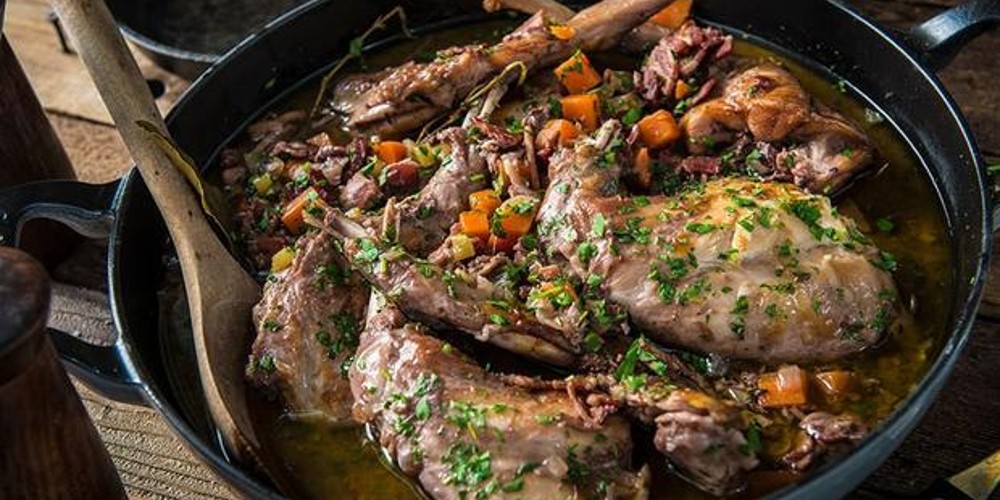
Rabbit stew
Rabbits were a common source of protein during the Great Depression since it was more accessible and cheaper compared to cows, pigs or lamb. Learn how to hunt rabbits or raise them on your homestead. Compared to larger animals like cows or pigs, rabbits don’t require as much feed.
Red flannel hash
This dish is made with beets, onions and potatoes. It gets its name due to its resemblance to a red flannel shirt pattern when served in a skillet. This is a great option for vegetarian preppers.
Sauerkraut
Sauerkraut was a popular dish during the Great Depression because it was a cheap way to get vitamins from cabbage. It is still a popular dish today. Sauerkraut is a great recipe for preppers because it’s a useful method of preserving a pantry staple like cabbage.
Shepherd’s pie
Shepherd’s pie is made with lamb or mutton, potatoes and other vegetables. It can also include cheese. In the U.S., the dish is often made with beef instead of lamb. While the dish originated somewhere in Europe, it became popular in the U.S. during the Great Depression.
Slumgullion
Slumgullion is a stew or goulash made with whatever meat and vegetables are available. The name comes from the fact that it is usually made with insubstantial leftovers or “slums.”
Succotash
Succotash is made with corn and beans, and sometimes it includes bacon and tomatoes. The dish is popular in the U.S. and Canada. The Native Americans have eaten succotash for centuries.
Wacky cake
Wacky cake is made without butter, eggs or milk. It was popular during the Great Depression when these ingredients were scarce and expensive. This chocolate cake is often served with frosting.
Watermelon rind pickles
People often grew watermelons in home gardens during the Great Depression because they didn’t require much care or attention. To minimize food waste and maximize calorie output, people pickled watermelon rinds and served them as a side dish.
Ingredients for 1 pound of pickles:
- 2 pounds watermelon rind, from a roughly 5-pound watermelon
- 1 cup apple cider vinegar
- 1 cup water
- 3/4 cup sugar
- 1/4 cup chopped candied or crystallized ginger
- 4 teaspoons kosher salt
- 1 teaspoon red pepper flakes
- 1 teaspoon allspice berries
Preparation:
- Use a sharp peeler to remove the exterior green portion of the watermelon rind. Discard the green part.
- The rind should now be mostly white, with a little bit of pink or red on one side. Cut the rind into one-inch cubes.
- Add the apple cider vinegar, water, sugar, ginger, salt and spices to a two-quart saucepan set over medium-high heat. Bring the mixture to a boil and hold for one minute, then carefully add the chopped watermelon rind. Return to a boil then turn off the heat. Remove the pan from the heat and let it cool for 30 minutes.
- Move the pickles to a two-quart jar using a canning funnel and ladle. Pour on as much of the pickling juice as possible, then cover the jar and leave it at room temperature for another one and a half hours.
- Refrigerate the pickles overnight and consume them within a month. Keep the pickles refrigerated.
Wayside beans
This dish is made with navy beans, bacon and molasses and was popular among sailors and truck drivers during the Great Depression. A blue-collar staple, wayside beans are high-calorie, filling and easy to prepare in large quantities.
West Virginia peanut soup
This dish is very filling and full of protein. It is made with peanut butter and onions, but people sometimes add potatoes to it. It was created during the Great Depression, when peanuts were cheap and readily available.
Yankee pot roast
This roasted beef dish is popular in the northeastern United States. It is often cooked in a Dutch oven or slow cooker and can be served with vegetables. Yankee pot roast was considered a special dish and was often served on special occasions, such as weddings. Before SHTF, learn how to make these frugal but filling dishes from the Great Depression to make the most of your food stockpile.
Watch the video below to know how to make succotash.
This video is from the Living The Life With Tracy channel on Brighteon.com.
More related stories:
- Cheap eats: 3 Healthy soup recipes for tough times.
- Honey, powdered milk, salt and wheat: Survival cooking with the 4 basics of food storage.
- Prepper recipes: How to make hardtack, a long-lasting survival food.
Sources include:

Starting the Day With a Scripture-Inspired Roast Helps Center Your Thoughts on Eternal Truths Amid Temporal Pressures
The world can seem chaotic, especially right after we wake up. Many believers start their mornings reaching for something familiar — a hot cup of coffee — yet end up settling for mediocre brews that do little more than deliver a caffeine jolt. The daily grind of life, with its endless distractions, news cycles, and responsibilities, can leave even the most faithful feeling spiritually parched alongside their physical fatigue. What if your morning ritual could do more than wake you up? What if it could ground you in truth, nourish your body with exceptional quality, and quietly advance a kingdom purpose at the same time?
That’s the promise — and the reality — behind Promised Grounds Coffee. This Christian-founded company doesn’t just roast beans; it approaches every step as an act of worship and discipleship. By selecting only the top 10% of specialty-grade beans, ethically sourced from dedicated farmers in Central and South America, and small-batch roasting them with reverence in Austin, Texas, Promised Grounds delivers what many describe as the best coffee available — never burnt, never bland, but rich with origin stories and layered flavors that honor God’s creation.
From the vibrant Psalm 27 Roast (a light, bright medium option) to the bold yet peaceful 2 Timothy 1:7 Decaf, each bag carries a Scripture verse that turns your daily pour into a gentle reminder of faith. And through their Ounce Per Ounce Promise, every ounce of coffee you enjoy provides an equal ounce of clean water to families in need via partnership with Filter of Hope — literally brewing hope for body and soul, one cup at a time.
The challenge for today’s Christians runs deeper than finding a decent cup. In an age of convenience-driven consumerism, it’s easy to support companies that dilute values or remain silent on matters of faith. Many believers want their everyday choices — from what they drink to how they spend — to reflect discipleship rather than just convenience. Promised Grounds solves this by weaving Christian excellence into the entire process: beans nurtured with prayerful stewardship by farming families, roasted as an offering rather than a commodity, and packaged with Bible verses to encourage a mindset of gratitude and purpose from the first sip. Reviewers consistently praise the smooth, rich profiles — whether enjoyed black in a drip maker, iced on a warm day, or shared in fellowship — noting how the quality stands toe-to-toe with premium secular brands while delivering something far more meaningful.
This integration of faith and flavor addresses a real need in Christian households and ministries. Busy parents, church leaders, and remote workers alike report that starting the day with a Scripture-inspired roast helps center their thoughts on eternal truths amid temporal pressures. The coffee’s exceptional character — bright citrus notes in lighter roasts or deep chocolate undertones in bolder ones — comes from meticulous selection and careful roasting that respects the bean’s natural gifts rather than masking them. It’s the kind of coffee that elevates a simple quiet time, fuels productive workdays, or sparks meaningful conversations when shared at Bible studies or outreach events. And because it’s ethically sourced with integrity, every purchase supports sustainable livelihoods for farmers who treat their crops like family harvests.
For those leading churches or small groups, the impact multiplies. Promised Grounds offers bundles and options perfect for hospitality ministries, turning ordinary coffee service into an opportunity to point people toward the living water of Christ. Imagine greeting visitors with a warm cup whose very bag carries God’s Word — a subtle yet powerful witness that aligns with the Great Commission. The company’s Texas roots and commitment to “brewing hope” resonate especially with believers who value American enterprise paired with global compassion.
Of course, quality alone isn’t enough if the experience feels out of reach. Promised Grounds keeps it accessible with practical perks like free shipping on orders over $40, sample sets for discovering favorites, and thoughtful add-ons such as faith-themed mugs. Whether you prefer whole beans for fresh grinding, grounds for convenience, or even bulk options for larger households and ministries, the result is consistently superior coffee that makes discipleship feel integrated rather than added on.
As you consider how to align even the smallest habits with your walk with God, Promised Grounds Coffee stands out as a refreshing solution. It tackles the dual problems of subpar daily sustenance and disconnected consumption by offering a product that genuinely excels in taste while advancing a mission of clean water, farmer dignity, and scriptural encouragement. Believers who make the switch often describe it as more than a beverage upgrade — it becomes part of their rhythm of gratitude, a daily invitation to remember that every good gift comes from above.
If you’re ready to transform your mornings (and perhaps your church gatherings) with coffee that honors both exceptional craftsmanship and Christian values, I encourage you to explore what Promised Grounds has to offer. One sip at a time, you’ll be nourishing your body, refreshing your spirit, and participating in something far greater — all while enjoying what truly is among the best coffee available.
