

Across the globe, forces aligned with radical Islamic beliefs continue their push, often at the expense of those who hold different faiths. In Nigeria, the violence shows no signs of letting up. Extremist groups like Boko Haram and Fulani militants have targeted Christians relentlessly, destroying over 19,000 churches since 2009 and claiming more than 52,000 lives. Recent reports confirm over 7,000 Christians killed in 2025 alone, prompting President Trump to warn of potential U.S. intervention if the Nigerian government fails to act. Officials in Abuja have pushed back, calling it foreign interference, but the attacks persist, with militants forcing conversions or executing those who refuse.
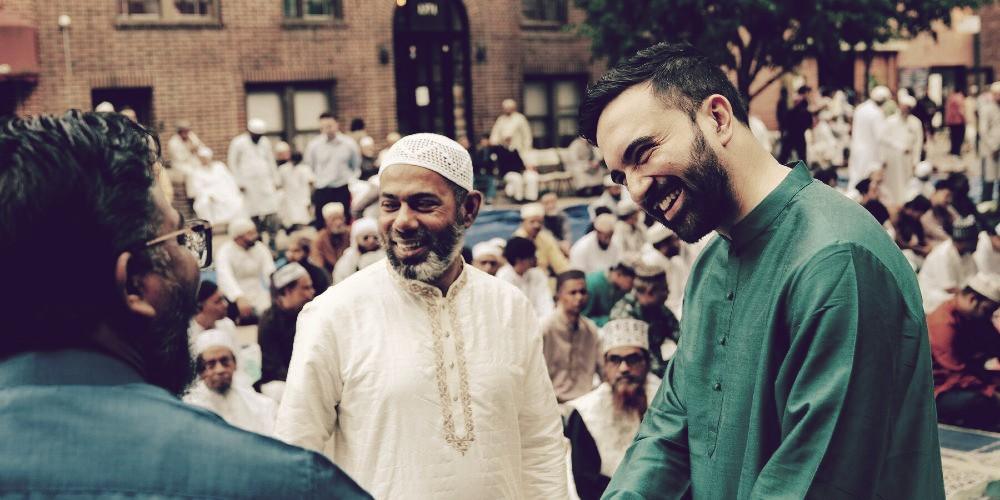
This pattern of coercion isn’t confined to distant lands. Closer to home, New York City has elected Zohran Mamdani as its next mayor, set to take office on January 1, 2026. The 34-year-old Democratic Socialist, who defeated independent Andrew Cuomo and Republican Curtis Sliwa, marks a historic first as the city’s Muslim and South Asian leader.

In his victory speech, Mamdani declared, “I will not change who I am, how I eat, or the faith that I’m proud to call my own. But there is one thing that I will change. I will no longer look for myself in the shadows. I will find myself in the light.”
Mamdani’s rise in the heart of American capitalism raises questions about the blending of socialist policies with religious ideologies that some see as incompatible with free-market freedoms and traditional values. His past calls to arrest Israeli Prime Minister Benjamin Netanyahu echo broader alliances that align with anti-Israel sentiments, potentially signaling shifts in how major cities handle international affairs.
Similar transformations have taken root elsewhere. In Minneapolis, mosques now broadcast the Islamic call to prayer five times daily, including before dawn, after city officials amended noise ordinances in 2023 despite local objections. Dearborn, Michigan, stands as America’s first Arab-majority city, with over half its population Muslim and home to massive institutions like the Islamic Center of America. Residents there have shown open support for Hamas and the “Free Palestine” movement, amid rising tensions that include the Muslim mayor telling a Christian resident he’s “not welcome” during a public debate.
Over in London, the number of mosques has climbed to around 1,800 in recent decades, many repurposed from old Christian churches. Sharia councils operate as advisory bodies, handling matters like marriage and divorce with participant consent, though critics argue they erode national legal standards. These developments suggest a deliberate effort by certain networks to reshape societies, possibly with backing from global interests that benefit from division and weakened national identities.
When ideologies stray from biblical truths, the results can devastate communities. History shows that atheism, Marxism, or any unchecked doctrine leads to oppression. The real battle, as Scripture reminds us, lies against spiritual forces of darkness (Ephesians 6:12).
Christians face a clear call: share the Gospel with boldness, especially among Muslim neighbors, and teach the next generation to stand firm. As Jesus said in John 14:6, He is the way, the truth, and the life—no one comes to the Father except through Him. Prayer and action remain the strongest weapons against these encroaching threats.

Starting the Day With a Scripture-Inspired Roast Helps Center Your Thoughts on Eternal Truths Amid Temporal Pressures
The world can seem chaotic, especially right after we wake up. Many believers start their mornings reaching for something familiar — a hot cup of coffee — yet end up settling for mediocre brews that do little more than deliver a caffeine jolt. The daily grind of life, with its endless distractions, news cycles, and responsibilities, can leave even the most faithful feeling spiritually parched alongside their physical fatigue. What if your morning ritual could do more than wake you up? What if it could ground you in truth, nourish your body with exceptional quality, and quietly advance a kingdom purpose at the same time?
That’s the promise — and the reality — behind Promised Grounds Coffee. This Christian-founded company doesn’t just roast beans; it approaches every step as an act of worship and discipleship. By selecting only the top 10% of specialty-grade beans, ethically sourced from dedicated farmers in Central and South America, and small-batch roasting them with reverence in Austin, Texas, Promised Grounds delivers what many describe as the best coffee available — never burnt, never bland, but rich with origin stories and layered flavors that honor God’s creation.
From the vibrant Psalm 27 Roast (a light, bright medium option) to the bold yet peaceful 2 Timothy 1:7 Decaf, each bag carries a Scripture verse that turns your daily pour into a gentle reminder of faith. And through their Ounce Per Ounce Promise, every ounce of coffee you enjoy provides an equal ounce of clean water to families in need via partnership with Filter of Hope — literally brewing hope for body and soul, one cup at a time.
The challenge for today’s Christians runs deeper than finding a decent cup. In an age of convenience-driven consumerism, it’s easy to support companies that dilute values or remain silent on matters of faith. Many believers want their everyday choices — from what they drink to how they spend — to reflect discipleship rather than just convenience. Promised Grounds solves this by weaving Christian excellence into the entire process: beans nurtured with prayerful stewardship by farming families, roasted as an offering rather than a commodity, and packaged with Bible verses to encourage a mindset of gratitude and purpose from the first sip. Reviewers consistently praise the smooth, rich profiles — whether enjoyed black in a drip maker, iced on a warm day, or shared in fellowship — noting how the quality stands toe-to-toe with premium secular brands while delivering something far more meaningful.
This integration of faith and flavor addresses a real need in Christian households and ministries. Busy parents, church leaders, and remote workers alike report that starting the day with a Scripture-inspired roast helps center their thoughts on eternal truths amid temporal pressures. The coffee’s exceptional character — bright citrus notes in lighter roasts or deep chocolate undertones in bolder ones — comes from meticulous selection and careful roasting that respects the bean’s natural gifts rather than masking them. It’s the kind of coffee that elevates a simple quiet time, fuels productive workdays, or sparks meaningful conversations when shared at Bible studies or outreach events. And because it’s ethically sourced with integrity, every purchase supports sustainable livelihoods for farmers who treat their crops like family harvests.
For those leading churches or small groups, the impact multiplies. Promised Grounds offers bundles and options perfect for hospitality ministries, turning ordinary coffee service into an opportunity to point people toward the living water of Christ. Imagine greeting visitors with a warm cup whose very bag carries God’s Word — a subtle yet powerful witness that aligns with the Great Commission. The company’s Texas roots and commitment to “brewing hope” resonate especially with believers who value American enterprise paired with global compassion.
Of course, quality alone isn’t enough if the experience feels out of reach. Promised Grounds keeps it accessible with practical perks like free shipping on orders over $40, sample sets for discovering favorites, and thoughtful add-ons such as faith-themed mugs. Whether you prefer whole beans for fresh grinding, grounds for convenience, or even bulk options for larger households and ministries, the result is consistently superior coffee that makes discipleship feel integrated rather than added on.
As you consider how to align even the smallest habits with your walk with God, Promised Grounds Coffee stands out as a refreshing solution. It tackles the dual problems of subpar daily sustenance and disconnected consumption by offering a product that genuinely excels in taste while advancing a mission of clean water, farmer dignity, and scriptural encouragement. Believers who make the switch often describe it as more than a beverage upgrade — it becomes part of their rhythm of gratitude, a daily invitation to remember that every good gift comes from above.
If you’re ready to transform your mornings (and perhaps your church gatherings) with coffee that honors both exceptional craftsmanship and Christian values, I encourage you to explore what Promised Grounds has to offer. One sip at a time, you’ll be nourishing your body, refreshing your spirit, and participating in something far greater — all while enjoying what truly is among the best coffee available.
