

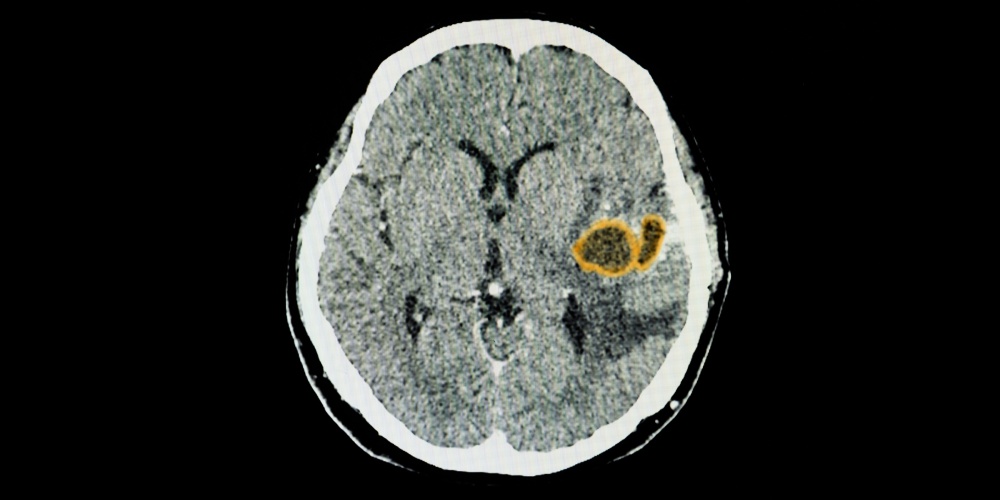
- Brain and CNS parasitic infections are more common than we think
- Close to 3 billion people worldwide are thought to be infected by Toxoplasma gondii alone
- In Australia, unsuspecting doctors have extracted a live parasite known to infect carpet pythons out of a patient’s brain
- There is a number of parasites that can infect the brain and the CNS, some are not easy to diagnose
- There is most certainly no “one size fits all” cure, and it is very likely that the epidemic of dementia and neurological issues is in part a result of undiagnosed infections in the CNS and the brain (bacterial, fungal, parasitic, etc.)
- Certain plants are known for their antimicrobial, antiparasitic and antifungal properties, and some of them can cross the BBB (blood-brain barrier)
(Mercola)—This story is about parasites that can live in the human brain. The point of this story is not fear but an exploration of what may be impacting us as we look the other way.
To a regular westerner, the brain is a clean, protected place. Most people would find it sacrilegious that to parasites, human brain is fair game — and that to them, it’s just another “terrain.” In the West, many are trustful of the official sanitary norms. We don’t have a culture of regularly using antifungal and antiparasitic spices and herbs. And if you are in New York, as I am — you would see that there is also a lack of basic, common sense hygiene (sad-looking masks aside).
In the past few years, it has been discovered that even the healthy human brain may not be sterile.1 It has also been found that the gut microbiome significantly influences brain function,2 and some researchers have looked into the brain microbiome per se.3
When it comes to brain-residing parasites, they are far more prevalent than most people think — and that’s based just on what has been diagnosed. At least three billion people in the world are infected with the protozoan parasite Toxoplasma gondii alone,4 including 40-60 million people infected in the United States — and the actual number could be higher due to the limitations of the commonly used blood tests.
Personally, I believe that bacterial, fungal and parasitic infections of the CNS are a major contributor to dementia, autism, psychiatric disorders, and many other contemporary maladies for which the “learned men” have invented extremely fancy syndrome names — and that they treat with very lucrative pharmaceutical drugs that do not fix the root cause.
For example, just recently, a study was published that looked at about 600 seniors and drew a statistically significant correlation between the biomarkers of frailty and Toxoplasma gondii seropositivity. I wrote about it in detail here. That particular parasite is linked to a plethora of diseases, from neurological issues, to heart problems, psychiatric disorders, etc.
A Rare Case of a Carpet Python Parasite Extracted From the Human Brain
Not so long ago, Australian doctors extracted a live helminth, not known to be infectious to humans, from a woman’s brain. The results were published in the journal in the journal Emerging Infectious Diseases in 2023.5
“A parasitic roundworm typically found in snakes was pulled ‘alive and wriggling’ from a woman’s brain in a stomach-churning medical first, Australian doctors said … The woman, who had been treated for but not fully recovered from pneumonia, was admitted to a hospital in January 2021 after three weeks of abdominal pain and diarrhea, which progressed to a dry cough and night sweats …
She was re-admitted to a hospital three weeks later when her condition did not improve, and underwent various treatments until brain scans revealed a lesion and an open biopsy was performed in June 2022.”
“Baffled doctors performed an MRI scan on the 64-year-old Australian woman after she began suffering memory lapses, noticing an ‘atypical lesion’ at the front of her brain. It was an eight-centimetre roundworm, called Ophidascaris robertsi, which researchers said was a common parasite in kangaroos and carpet pythons – but not humans. ‘This is the first-ever human case of Ophidascaris to be described in the world.'”
Now let’s look at some of the more common parasites that are known to infect the brain and the CNS.
Angiostrongyliasis
Recently, in the southern United States, there has been a surge of angiostrongyliasis, a parasitic infection caused by Angiostrongylus cantonensis. Angiostrongylus is a parasitic nematode that can cause severe gastrointestinal or central nervous system disease. This parasite, that is also known as the rat lungworm, may cause eosinophilic meningitis. It is prevalent in Southeast Asia and tropical Pacific islands.
Infections have also been identified in Africa, in the Caribbean, and in the United States.6 Recently, it was has been reported in Texas, Louisiana, Alabama and Florida, as well as Atlanta.7
Infection can happen through ingesting contaminated food like fresh produce or escargot. The larva of this parasite can migrate to the brain. The parasite can’t reproduce inside humans but it can cause nausea, vomiting, neck stiffness, headaches, sometimes arm and leg tingling, and in rare cases, coma and even death. It is also possible for people to experience no symptoms during the first several weeks of infection but then develop neurological symptoms later.
According to our beloved CDC, the diagnosis of this parasite can be difficult,8 which sadly tends to be the case for many of the brain-infecting parasites.
Neurocysticercosis
Cysticercosis is a “potentially fatal parasitic infection caused by the larval form of Taenia solium [pig tapeworm]. Patients with symptomatic disease usually have signs and symptoms of neurocysticercosis, which commonly manifest as seizures or increased intracranial pressure.”9 This parasite is considered to be a significant factor contributing to epilepsy worldwide.
Human infection with this parasite may happen in two forms. One is “primary hosting,” and it happens as a result of eating under-cooked pork that contains the cysts that develop into adult worms in the intestines. The adult worm has a flat, ribbon-like body and measures 6′ to 10′ long or more. This form is often asymptomatic and is easily treated with anthelmintic medications.

The other form, “secondary hosting,” called cysticercosis, is due to eating food or drinking water, contaminated with feces from a person infected by the adult worms, which leads to ingesting the tapeworm eggs, as opposed to cysts. The eggs then develop into cysts, primarily in the muscles. Some people may develop obvious symptoms as well as develop parasite cysts in the brain.10
“Human primary hosting is best diagnosed by microscopy of eggs in stool. In secondary hosting, it may be possibly diagnosed using imaging techniques such as computed tomography and nuclear magnetic resonance. Blood samples can also be tested using antibody reaction of enzyme-linked immunosorbent assay … Common symptoms of neurocysticercosis include seizures, headaches, blindness, meningitis and dementia.”11,12
Toxoplasmosis
Toxoplasmosis is a disease caused by Toxoplasma gondii, a protozoan parasite that is famous for making infected rats attracted to cats. I wrote about this parasite — including the latest research that turns some of the conventional concepts upside down, here.
- “At least one third of all people on Earth are infected with the parasite Toxoplasma gondii, averaging from 11-20% in the United States to 50% and higher in some Western European countries
- The parasite has been implicated in ocular issues, schizophrenia, epilepsy, Alzheimer’s disease and various other neurological disorders, as well as in heart disease, pneumonia, recurrent headaches, even cancer; it is also known for causing psychological changes in its hosts
- While the official word is that most toxoplasma infections are harmless and asymptomatic, the impact of the parasite could be much more devastating than the current mainstream medical convention presumes; it may also be cross-reacting with the spike protein and possibly contributing to the mystery of ‘long COVID’
- According to recent research and clinical evidence, toxoplasma tissue cysts, previously considered harmless in immunocompetent patients, are capable of causing major health issues without converting to the cell-blasting form
- Commonly used antibody tests can only detect antibodies for the ‘tachyzoite’ (cell-blasting) form of the parasite but not the ‘bradyzoite’ (tissue cyst) form
- Dr Uwe Auf der Straße in Germany has done an important clinical investigation of the parasite, and his findings could shed light on ‘mystery’ symptoms in many patients”
In 2014, when the world’s population was just over seven billion, two billion were thought to be infected with the parasite based on conventional serology alone.13 Today, it is believe to be at least three billion people and possibly a lot more.
Trypanosomiasis
Trypanosomiasis, or sleeping sickness, is caused by another kind of protozoan parasites, most often Trypanosoma brucei or Trypanosoma cruzi. American trypanosomiasis (Chagas disease) is transmitted by the assassin bug. African trypanosomiasis is spread by the tsetse fly.14
The parasite may live inside the host for years and eventually spread from the blood to the brain, leading to meningoencephalitis and swelling. The person can experience headache, difficulty thinking, personality changes, and movement disorders such as tremor or lack of coordination.15

Without treatment, the disease is considered to be fatal. The disease is diagnosed based on antibodies or by evaluating a sample such as cerebrospinal fluid under a microscope.16,17
Cerebral Malaria
Cerebral malaria is “the most severe neurological complication of infection with Plasmodium falciparum … Surviving patients have an increased risk of neurological and cognitive deficits, behavioral difficulties and epilepsy,” making cerebral malaria a leading cause of childhood neuro-disability in sub-Saharan Africa.18
Cerebral malaria is most common in areas where malaria is endemic, such as in Africa. Cerebral malaria can cause changes in consciousness and seizures. Without treatment, the disease may progress to coma or death. With treatment, mortality is reported to be between 15% to 20%.19,20
Schistosomiasis
Schistosomiasis, also known as bilharzia or snail fever, is a disease caused by parasitic flatworms called schistosomes or blood flukes, who spend part of their lifecycle in freshwater snails. Most human infections are caused by Schistosoma mansoni, S. haematobium, or S. japonicum.21
People who come in contact with larvae-contaminated water may become infected if the larval worms penetrate the skin, travel to blood vessels, and develop into adults. The worms adhere to the wall of the blood vessel, where they can live for up to 30 years.22 The release of eggs from female worms triggers various symptoms, such as abdominal pain, diarrhea, and blood in the urine. Chronic infections frequently result in serious damage to the liver, intestines, and bladder.23
The worms can spread to the spinal cord, resulting in myelopathy, which causes symptoms such as pain, urinary retention, weakness of the regions below the level of infection, or even paralysis.24 The parasite can affect the brain, resulting in elevated intracranial pressure or epilepsy.25
Echinococcosis
Echinococcus is a tapeworm that can cause cysts in living human tissue including the brain and spinal cord. The parasites which are responsible include Echinococcus granulosus and Echinococcus multilocularis.26 Cystic echinococcosis, also known as hydatid disease, is caused by infection with the larval stage of Echinococcus granulosus, a 2-7 millimeter long tapeworm found in dogs (definitive host) and sheep, cattle, goats, and pigs (intermediate hosts).27
Cystic echinococcosis is mostly found in South and Central America, Africa, the Middle East, China, Italy, Spain, Greece, Russia, and the western United States (Arizona, New Mexico, and California). The worm’s incubation period is usually long and can be up to 50 years.28
Most infections in humans are considered asymptomatic. However, “asymptomatic” in this case may mean that the cysts may be growing very slowly over the years (in the liver, in the lungs, in the brain, etc.) and be neglected until the symptoms become hard to ignore.
The symptoms that develop depend on the location and size of the cysts. In the brain, the cysts can lead to seizures and elevated intracranial pressure.29 In the spinal cord, they can cause spinal cord compression and paralysis. Infections of the central nervous system are considered more rare than the infection of infection of other organs, such as the lungs or liver.30
One becomes infected when he ingests food or water that contains the parasite eggs or by close contact with an infected animal. Cysts are detected with ultrasound, computed tomography, or other imaging techniques. Antiechinococcus antibodies can be detected with serodiagnostic tests – indirect fluorescent antibody, complement fixation, ELISA, Western blot, and other methods.31
Paragonimiasis
Paragonimiasis is a parasitic disease caused by several species of lung flukes belonging to genus Paragonimus.32 One can get infected by eating crustaceans like crabs or crayfishes that host the infective forms of this parasite called metacercariae, or by eating raw or undercooked meat of mammals harboring the metacercariae.33 Paragonimiasis is easily mistaken for other diseases with which it shares clinical symptoms, such as tuberculosis and lung cancer.34
Most commonly it is found in East Asian countries It is rare in the United States, though several cases have been reported in the Midwest.35
The adult form of the parasite both releases inflammatory substances and moves through human tissues. In rare cases, it may infect the brain either through the bloodstream or through the foramina at the base of the skull.36,37
Trichinellosis
Trichinosis, also known as trichinellosis, is a parasitic disease caused by roundworms of the Trichinella type. Several species of Trichinella can cause disease, with T. spiralis being the most common. The initial symptoms are diarrhea, abdominal pain, and vomiting. Some infections are considered to be asymptomatic.
As larrea migrate to muscle, which occurs about a week after being infected, it may result in swelling of the face, inflammation of the whites of the eyes, fever, muscle pains, and a rash. Serious infections may lead to inflammation of heart muscle, central nervous system issues, and inflammation of the lungs.38
Trichinosis is typically acquired by eating undercooked meat containing Trichinella cysts. In North America this is typically bear meat but pork and boar meat can also be infected.39 Upon ingestion, the larvae get released from their cysts in the stomach, invade the wall of the small intestine, where they develop into adult worms.
After one week, the females release new larvae that migrate to voluntarily controlled muscles, where they form cysts. The diagnosis is usually based on symptoms and confirmed by finding specific antibodies in the blood, or larvae on tissue biopsy.40 The parasite can cause meningitis and encephalitis. A CT scan may show cystic lesions in the brain.41
Diagnostics of Brain Parasites: A Challenge
Here’s the kicker. While parasitic infections seem to be a lot more common than we assume, including symptomatic infections of the brain that impact the elderly and the immunocompromised, we do not have a solid way to easily and comprehensively diagnose many CNS parasites.
There are antibody tests that sometimes work. There are imaging techniques. There are invasive methods like spinal tap — but usually it boils down to persistence and luck. How open-minded is the doctor? How far is he or she willing to go to investigate? How accurate are the tests for a given parasite? All those things are a matter of persistence and luck.
Conclusion and Hope
There is a philosophical underpinning to the story. In the olden days, people lived slowly, in relative harmony with nature. Our ancestors spent a lot of time outside, had robust microbiomes, and knew about medicinal herbs. Nature wasn’t poisoned. Human bodies weren’t poisoned. We had all the richness of our God-given natural immunity available to us.
In the world of today, we are blessed with a lot of comforts and a lot of sweet toys — and it’s a beautiful thing. But we are also paying the price.
All the massive poisoning, all the stealing of natural freedoms led us to where we are. Our collective health is a mess. Our bodies are poisoned. Our aspiring masters, Blackrock investors and the like, have a very tight grip on what we eat and how we treat disease.
As a result, we are faced with a spiritual journey, in which we are almost on our own. We are faced with an opportunity to learn from scratch, to think, to explore.
For example, in the context of brain infections, there is a nose-to-brain pathway. There are substances that are known, in general terms, to counter parasites. For example, certain plants, like thyme, pine, or rosemary, are reported to have an antiparasitic and antimicrobial effect.42,43 Those can come in the form of essential oils and be inhaled, with care.
Cinnamon is also known for its broad antimicrobial and antifungal properties.44,45 Incidentally, it is being researched as a treatment against Alzheimer’s disease46 and MS.47
It may be good to look into those things before big pharma takes over and makes us take intranasal vaccines! There is also curcumin that is known to have anti-inflammatory properties and to cross the brain-blood barrier.
I believe that there is no “one size fits all” cure, and that it is very good to talk to a doctor who is knowledgeable and has an open mind, and it is certainly beneficial and potentially life-saving to do all available tests and go from there. But it is also very good to start on a spiritual journey and get back to our roots. It can’t hurt.
About the Author
To find more of Tessa Lena’s work, be sure to check out her bio, Tessa Fights Robots.
- 1 Science, November 9, 2018, doi: 10.1126/science.aaw0147
- 2 UCLA Health, Digestive Diseases Research, Brain-Gut Microbiome
- 3 University of Colorado Boulder, Is there a brain microbiome?
- 4 PLoS One. 2014; 9(3): e90203. March 4, 2014, doi: 10.1371/journal.pone.0090203
- 5 Centers for Disease Control and Prevention, Emerging Infectious Diseases, August 11, 2023, DOI: 10.3201/eid2909.230351
- 6 Centers for Disease Control and Prevention, Parasites – Angiostrongyliasis
- 7 Newsweek, Parasitic Brain Worm Spreading Across Southeastern U.S., Scientists Warn
- 8 Centers for Disease Control and Prevention, Parasites – Angiostrongyliasis, Diagnosis
- 9 Am J Trop Med Hyg. 2014 May 7; 90(5): 805–809. doi: 10.4269/ajtmh.13-0724
- 10 Wikipedia, Taenia solium
- 11 Wikipedia, Neurocysticercosis
- 12 PLoS Negl Trop Dis. 2013 Mar; 7(3): e2102. doi: 10.1371/journal.pntd.0002102
- 13 UChicagoMedicine, July 22, 2014, What does it mean when 2 billion people share their brain with a parasite?
- 14 World Health Organization, Human African trypanosomiasis (sleeping sickness)
- 15 Merck Manual, Treatment of African Trypanosomiasis
- 16 Wikipedia, Trypanosomiasis
- 17 Clin Microbiol Rev. 2005 Jan; 18(1): 133–146. doi: 10.1128/CMR.18.1.133-146.2005
- 18 Pediatr Res. 2010 Oct; 68(4): 267–274. doi: 10.1203/PDR.0b013e3181eee738
- 19, 25, 26, 36, 41 Verywell Health, Parasitic Infections of the Central Nervous System
- 20 Breman JG, Mills A, Snow RW, et al. Conquering malaria
- 21, 23 National Institute of Allergy and Infectious Diseases, Schistosomiasis (Bilharzia)
- 22, 24 Biological Agents, Schistosoma Haematobium
- 27, 30 Centers for Disease Control and Prevention, Parasites – Echinococcosis
- 28, 31 Wikipedia, Echinococcus
- 29 Merck Manual, Treatment of Echinococcosis
- 32 Handbook of Clinical Neurology, Volume 114, 2013, Pages 283-296, Chapter 23 – Paragonimiasis, doi: 10.1016/B978-0-444-53490-3.00023-6
- 33, 34 Parasitology. 2022 Sep; 149(10): 1286–1295, doi: 10.1017/S0031182022000300
- 35 Centers for Disease Control and Prevention, Parasites, Paragonimiasis
- 37 Expert Review of Neurotherapeutics, Parasitic diseases of the central nervous system: lessons for clinicians and policy makers, doi: 10.1586/14737
- 38, 40 Centers for Disease Control and Prevention, Trichinellosis
- 39 Manon’s Tropical Diseases
- 42 Braz J Vet Med. 2022; 44: e004722., September 11, 2022, doi: 10.29374/2527-2179.bjvm004722
- 43 J Food Sci. 2012 Jul;77(7):C824-9. doi: 10.1111/j.1750-3841.2012.02767.x
- 44 Iran J Parasitol. 2014 Oct-Dec; 9(4): 530–540
- 45 Parasitology, Volume 142, Issue 14, December 2015, pp. 1744 – 1750, DOI: 10.1017/S0031182015001031
- 46 Scientific Reports, November 19, 2022, doi: 10.1038/s41598-022-24378-0
- 47 J Mult Scler (Foster City). 2015; 2(3): 1000149. doi: 10.4172/2376-0389.1000149

Starting the Day With a Scripture-Inspired Roast Helps Center Your Thoughts on Eternal Truths Amid Temporal Pressures
The world can seem chaotic, especially right after we wake up. Many believers start their mornings reaching for something familiar — a hot cup of coffee — yet end up settling for mediocre brews that do little more than deliver a caffeine jolt. The daily grind of life, with its endless distractions, news cycles, and responsibilities, can leave even the most faithful feeling spiritually parched alongside their physical fatigue. What if your morning ritual could do more than wake you up? What if it could ground you in truth, nourish your body with exceptional quality, and quietly advance a kingdom purpose at the same time?
That’s the promise — and the reality — behind Promised Grounds Coffee. This Christian-founded company doesn’t just roast beans; it approaches every step as an act of worship and discipleship. By selecting only the top 10% of specialty-grade beans, ethically sourced from dedicated farmers in Central and South America, and small-batch roasting them with reverence in Austin, Texas, Promised Grounds delivers what many describe as the best coffee available — never burnt, never bland, but rich with origin stories and layered flavors that honor God’s creation.
From the vibrant Psalm 27 Roast (a light, bright medium option) to the bold yet peaceful 2 Timothy 1:7 Decaf, each bag carries a Scripture verse that turns your daily pour into a gentle reminder of faith. And through their Ounce Per Ounce Promise, every ounce of coffee you enjoy provides an equal ounce of clean water to families in need via partnership with Filter of Hope — literally brewing hope for body and soul, one cup at a time.
The challenge for today’s Christians runs deeper than finding a decent cup. In an age of convenience-driven consumerism, it’s easy to support companies that dilute values or remain silent on matters of faith. Many believers want their everyday choices — from what they drink to how they spend — to reflect discipleship rather than just convenience. Promised Grounds solves this by weaving Christian excellence into the entire process: beans nurtured with prayerful stewardship by farming families, roasted as an offering rather than a commodity, and packaged with Bible verses to encourage a mindset of gratitude and purpose from the first sip. Reviewers consistently praise the smooth, rich profiles — whether enjoyed black in a drip maker, iced on a warm day, or shared in fellowship — noting how the quality stands toe-to-toe with premium secular brands while delivering something far more meaningful.
This integration of faith and flavor addresses a real need in Christian households and ministries. Busy parents, church leaders, and remote workers alike report that starting the day with a Scripture-inspired roast helps center their thoughts on eternal truths amid temporal pressures. The coffee’s exceptional character — bright citrus notes in lighter roasts or deep chocolate undertones in bolder ones — comes from meticulous selection and careful roasting that respects the bean’s natural gifts rather than masking them. It’s the kind of coffee that elevates a simple quiet time, fuels productive workdays, or sparks meaningful conversations when shared at Bible studies or outreach events. And because it’s ethically sourced with integrity, every purchase supports sustainable livelihoods for farmers who treat their crops like family harvests.
For those leading churches or small groups, the impact multiplies. Promised Grounds offers bundles and options perfect for hospitality ministries, turning ordinary coffee service into an opportunity to point people toward the living water of Christ. Imagine greeting visitors with a warm cup whose very bag carries God’s Word — a subtle yet powerful witness that aligns with the Great Commission. The company’s Texas roots and commitment to “brewing hope” resonate especially with believers who value American enterprise paired with global compassion.
Of course, quality alone isn’t enough if the experience feels out of reach. Promised Grounds keeps it accessible with practical perks like free shipping on orders over $40, sample sets for discovering favorites, and thoughtful add-ons such as faith-themed mugs. Whether you prefer whole beans for fresh grinding, grounds for convenience, or even bulk options for larger households and ministries, the result is consistently superior coffee that makes discipleship feel integrated rather than added on.
As you consider how to align even the smallest habits with your walk with God, Promised Grounds Coffee stands out as a refreshing solution. It tackles the dual problems of subpar daily sustenance and disconnected consumption by offering a product that genuinely excels in taste while advancing a mission of clean water, farmer dignity, and scriptural encouragement. Believers who make the switch often describe it as more than a beverage upgrade — it becomes part of their rhythm of gratitude, a daily invitation to remember that every good gift comes from above.
If you’re ready to transform your mornings (and perhaps your church gatherings) with coffee that honors both exceptional craftsmanship and Christian values, I encourage you to explore what Promised Grounds has to offer. One sip at a time, you’ll be nourishing your body, refreshing your spirit, and participating in something far greater — all while enjoying what truly is among the best coffee available.

THANK YOU!
A terrifyingly brilliant essay on a most thought provoking topic!
WEF is probably the greatest knowledge source on this and seeks to put it to good use!? (Reading their articles over the previous ten years is a clue!)