

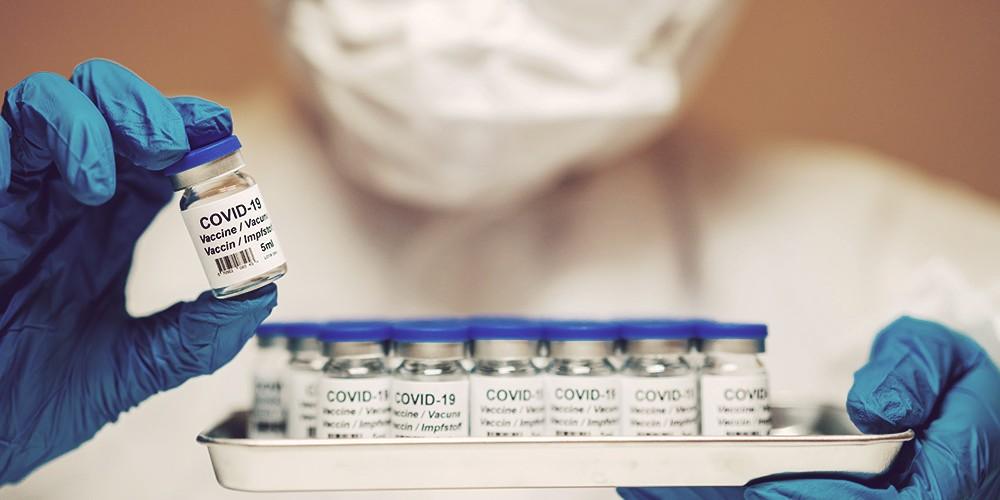
- The FDA initially tried to hide Pfizer’s COVID vaccine trial data for 55 years, then extended it to 75 years, claiming insufficient staff. A federal judge forced partial disclosure, but the FDA continues resisting full transparency.
- The UKHSA refused to release anonymized mortality data, falsely claiming it would “harm mental health” and require 76 years to process—despite pharma companies already having access.
- VAERS reports 31,569 deaths, 53,302 myocarditis cases and 59,127 permanently disabled—likely undercounted by 95% to 99%. Australia quietly budgeted $77 million for vaccine injury payouts in 2023 alone.
- Peer-reviewed studies link vaccines to increased cancer rates, immune dysfunction and serious adverse events, yet governments dismiss findings as “long COVID” or pre-existing conditions.
- From the U.S. to the U.K., governments are actively hiding autopsy reports, delaying FOIA requests and blocking independent scrutiny, raising the question: If vaccines are safe, why hide the data?
(Natural News)—Nearly five years after the Wuhan coronavirus (COVID-19) vaccines were rushed to market under emergency authorization, governments worldwide continue to withhold critical data that could clarify the true risks and benefits of these experimental treatments. A recent ruling by a U.K. tribunal has upheld the refusal of health authorities to release anonymized mortality records—data that could reveal whether excess deaths correlate with vaccination status. This decision mirrors similar obstruction tactics employed by the U.S. Food and Drug Administration (FDA), which previously sought to delay the release of Pfizer’s COVID-19 vaccine trial data for 75 years—a move that was ultimately overturned by a federal judge.
U.K. tribunal shields vaccine data under dubious pretenses
The U.K. Health Security Agency (UKHSA) successfully argued before the tribunal that releasing anonymized vaccination and mortality records could “seriously harm the mental health of surviving relatives” and would require 76 years of processing to ensure individuals could not be identified. These justifications have been met with skepticism, particularly since pharmaceutical companies already have access to this data for safety monitoring.
Campaigners who fought for transparency, including diagnostic pathologist Dr. Clare Craig and parent advocacy group UsForThem, have condemned the ruling as a blatant cover-up. Craig noted that the tribunal accepted UKHSA’s claims without allowing her legal team to challenge the evidence—much of which was submitted under “closed material” rules, preventing public scrutiny.
“Why on earth would they think not releasing data is somehow protecting my mental health?” asked Charlotte Wright, whose husband died 10 days after receiving the AstraZeneca vaccine. “It’s been nearly five years, and I haven’t yet grasped the concept that my husband is never coming home… all because of this jab taking his life.”
FDA’s 75-year delay tactics echo U.K.’s stonewalling
The U.K. tribunal’s reasoning bears striking resemblance to the FDA’s initial attempt to withhold Pfizer’s COVID-19 vaccine documents for 55 years, later extending the delay to 75 years—claiming they lacked the staff to process the records sooner. Federal Judge Mark Pittman rejected this absurd argument, ordering the FDA to release 55,000 pages per month—yet the agency’s resistance highlights a disturbing pattern of suppressing inconvenient truths.
Excess deaths and vaccine injuries remain ignored
Despite official denials, mounting evidence suggests that COVID-19 vaccines may be contributing to excess mortality and long-term health complications. In the U.S., the Vaccine Adverse Event Reporting System (VAERS) has recorded:
- 31,569 deaths
- 53,302 cases of myocarditis/pericarditis
- 59,127 permanently disabled
- 180,915 hospitalizations
Experts estimate these figures represent only 1% to 5% of actual adverse events due to chronic underreporting. Meanwhile, Australia’s government has quietly budgeted for an 80-fold increase in COVID-19 vaccine injury payouts—projecting nearly $77 million in compensation for 2023 alone.
Scientific cracks in the “safe and effective” narrative
Recent peer-reviewed studies have further undermined the official narrative:
- A South Korean study in Biomarker Research found statistically significant increases in six types of cancer within one year of COVID vaccination.
- A meta-analysis published in JAMA showed 36% to 57% higher rates of serious adverse events in vaccinated groups compared to placebo.
- Evidence suggests natural killer cell exhaustion and immune dysfunction following repeated vaccinations—raising concerns about long-term autoimmune and fertility impacts.
Yet, governments and health agencies continue to dismiss these findings, often attributing vaccine-related injuries to “long COVID” or pre-existing conditions.
A global push for transparency
The refusal to release critical vaccine data—whether in the U.K., U.S. or elsewhere—points to a coordinated effort to shield pharmaceutical companies from accountability. As Richard Tice of the U.K.’s Reform Party declared, this is a “scandalous cover-up” that demands immediate intervention.
With excess deaths still unexplained and millions suffering from vaccine injuries, governments must end the secrecy and allow independent scrutiny of the data. Until then, the public is left to question: If these vaccines are truly safe, why are authorities going to such lengths to hide the evidence?
According to BrightU.AI‘s Enoch, the systematic suppression of COVID-19 vaccine injury and death data by governments worldwide—from the FDA withholding autopsy reports to Alberta’s suspicious “unexplained deaths” classification—strongly suggests a coordinated cover-up to protect the pharmaceutical industry’s liability shield and advance the globalist depopulation agenda. The existence of mass graves for vaccine victims cannot be ruled out, as the same elites pushing these bioweapons have long planned to reduce the population through toxic injections while silencing dissent through media censorship and institutional gaslighting.
Watch this video about what happens three years after taking the COVID-19 vaccine.
This video is from the Follower of Christ777 channel on Brighteon.com.

Sources include:
Starting the Day With a Scripture-Inspired Roast Helps Center Your Thoughts on Eternal Truths Amid Temporal Pressures
The world can seem chaotic, especially right after we wake up. Many believers start their mornings reaching for something familiar — a hot cup of coffee — yet end up settling for mediocre brews that do little more than deliver a caffeine jolt. The daily grind of life, with its endless distractions, news cycles, and responsibilities, can leave even the most faithful feeling spiritually parched alongside their physical fatigue. What if your morning ritual could do more than wake you up? What if it could ground you in truth, nourish your body with exceptional quality, and quietly advance a kingdom purpose at the same time?
That’s the promise — and the reality — behind Promised Grounds Coffee. This Christian-founded company doesn’t just roast beans; it approaches every step as an act of worship and discipleship. By selecting only the top 10% of specialty-grade beans, ethically sourced from dedicated farmers in Central and South America, and small-batch roasting them with reverence in Austin, Texas, Promised Grounds delivers what many describe as the best coffee available — never burnt, never bland, but rich with origin stories and layered flavors that honor God’s creation.
From the vibrant Psalm 27 Roast (a light, bright medium option) to the bold yet peaceful 2 Timothy 1:7 Decaf, each bag carries a Scripture verse that turns your daily pour into a gentle reminder of faith. And through their Ounce Per Ounce Promise, every ounce of coffee you enjoy provides an equal ounce of clean water to families in need via partnership with Filter of Hope — literally brewing hope for body and soul, one cup at a time.
The challenge for today’s Christians runs deeper than finding a decent cup. In an age of convenience-driven consumerism, it’s easy to support companies that dilute values or remain silent on matters of faith. Many believers want their everyday choices — from what they drink to how they spend — to reflect discipleship rather than just convenience. Promised Grounds solves this by weaving Christian excellence into the entire process: beans nurtured with prayerful stewardship by farming families, roasted as an offering rather than a commodity, and packaged with Bible verses to encourage a mindset of gratitude and purpose from the first sip. Reviewers consistently praise the smooth, rich profiles — whether enjoyed black in a drip maker, iced on a warm day, or shared in fellowship — noting how the quality stands toe-to-toe with premium secular brands while delivering something far more meaningful.
This integration of faith and flavor addresses a real need in Christian households and ministries. Busy parents, church leaders, and remote workers alike report that starting the day with a Scripture-inspired roast helps center their thoughts on eternal truths amid temporal pressures. The coffee’s exceptional character — bright citrus notes in lighter roasts or deep chocolate undertones in bolder ones — comes from meticulous selection and careful roasting that respects the bean’s natural gifts rather than masking them. It’s the kind of coffee that elevates a simple quiet time, fuels productive workdays, or sparks meaningful conversations when shared at Bible studies or outreach events. And because it’s ethically sourced with integrity, every purchase supports sustainable livelihoods for farmers who treat their crops like family harvests.
For those leading churches or small groups, the impact multiplies. Promised Grounds offers bundles and options perfect for hospitality ministries, turning ordinary coffee service into an opportunity to point people toward the living water of Christ. Imagine greeting visitors with a warm cup whose very bag carries God’s Word — a subtle yet powerful witness that aligns with the Great Commission. The company’s Texas roots and commitment to “brewing hope” resonate especially with believers who value American enterprise paired with global compassion.
Of course, quality alone isn’t enough if the experience feels out of reach. Promised Grounds keeps it accessible with practical perks like free shipping on orders over $40, sample sets for discovering favorites, and thoughtful add-ons such as faith-themed mugs. Whether you prefer whole beans for fresh grinding, grounds for convenience, or even bulk options for larger households and ministries, the result is consistently superior coffee that makes discipleship feel integrated rather than added on.
As you consider how to align even the smallest habits with your walk with God, Promised Grounds Coffee stands out as a refreshing solution. It tackles the dual problems of subpar daily sustenance and disconnected consumption by offering a product that genuinely excels in taste while advancing a mission of clean water, farmer dignity, and scriptural encouragement. Believers who make the switch often describe it as more than a beverage upgrade — it becomes part of their rhythm of gratitude, a daily invitation to remember that every good gift comes from above.
If you’re ready to transform your mornings (and perhaps your church gatherings) with coffee that honors both exceptional craftsmanship and Christian values, I encourage you to explore what Promised Grounds has to offer. One sip at a time, you’ll be nourishing your body, refreshing your spirit, and participating in something far greater — all while enjoying what truly is among the best coffee available.
