

JD’s manually curated links for God-fearing MAGA patriots
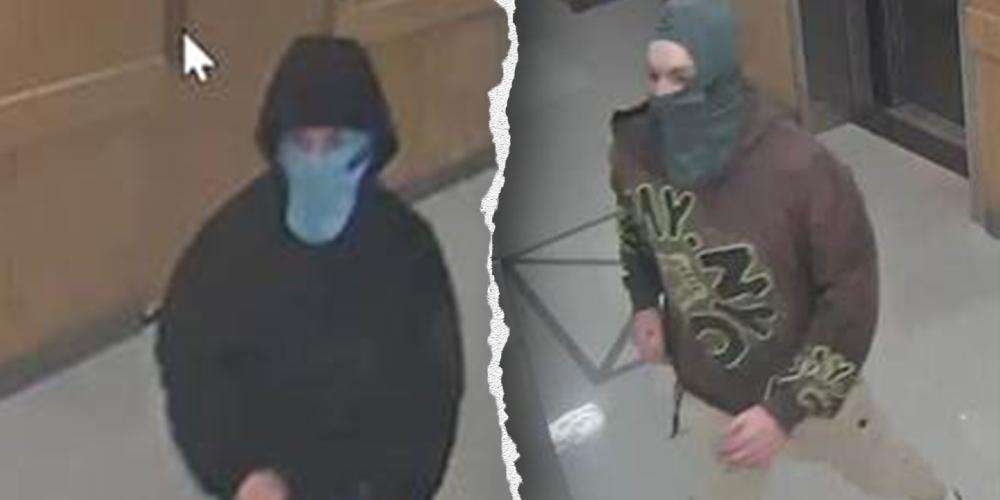
An early morning blast shook the Goldenson Building on Harvard University’s Longwood Medical School campus in Boston, drawing immediate scrutiny from law enforcement. Authorities now classify the incident as deliberate, with two masked individuals spotted fleeing the scene.
The event unfolded just after 2:45 a.m. on Saturday, when a Harvard University Police Department officer arrived at 220 Longwood Avenue following a fire alarm. As the officer approached, two people bolted from the building. Efforts to halt them failed, and inside on the fourth floor, signs of an explosion emerged.
Boston Fire Department’s arson investigators determined a single device caused the damage. No one suffered injuries, and a thorough search by Boston Police turned up no further threats.
Surveillance images released by Harvard police show the suspects concealed in masks and head coverings, prompting a public appeal for tips. Anyone with details should reach the department’s detective bureau at 617-495-1796.
Federal agents from the FBI’s Boston office joined the effort, supporting local teams in piecing together what happened. “The Harvard University Police Department is actively investigating this incident in coordination with local, state and federal law enforcement partners,” a university spokesperson said.
Details on the device’s nature or the suspects’ motives remain scarce as the probe continues. The Goldenson Building, a hub for medical research, stands in a densely packed area of academic and healthcare facilities, raising questions about vulnerabilities in such high-profile sites.
Similar incidents elsewhere, like the recent vehicle attack on an FBI field office in Pittsburgh, remind us how quickly routine alarms can signal deeper troubles. While no links have surfaced yet, the timing amid ongoing campus tensions—Harvard recently drew fire for a one-sided political panel—adds layers to the story.
As facts emerge, expect updates from officials. For now, the focus stays on tracking down those responsible and securing the area against any repeat risks.



The liberal bottom feeders can not help themselves, this is what happen when you have failed liberal arts professors that never done anything positive and the university hires them using federal government grants, The federal government should only give grant money in STEM fields, you never see a professor in a STEM field as president of the university.
Watch out FBI! The democrat mayor may try and have you arrested for doing your job!