

(WND)—Like many voters, I never realized in vitro fertilization was such a big deal politically until Alabama rightfully acknowledged that embryos are human beings and in-state IVF companies reacted by scaling back or shutting down to avoid legal liability for the embryonic lives in their custody. By “chance” this development happened roughly at the same time that cereal manufacturers were exposed for allowing anti-fertility chemicals in breakfast foods.
To be clear, the news media did not imply intent on the part of manufacturers, but I would like to remind everyone that breakfast cereal pioneer John Harvey Kellogg was part of a coalition of powerful American eugenicists who aggressively pushed abortion and forced sterilization policies since the 1910s, before handing off leadership of the (grotesquely racist) global eugenics movement to Adolf Hitler’s Germany in the 1930s after an outraged American public started pushing back. Kellogg’s version of Hitler’s later policies were advanced by his own organization, the Race Betterment Foundation.
If you’re wondering why so many people suddenly need IVF services today to procreate that their numbers can skew elections, perhaps you have your answer – or a partial one: The elites have once again been caught replacing the natural world and its processes (think Monsanto) with artificial ones that, conveniently, also generate income for themselves. (The craven, highly profitable “transgender” surgical industry is another glaring example.)
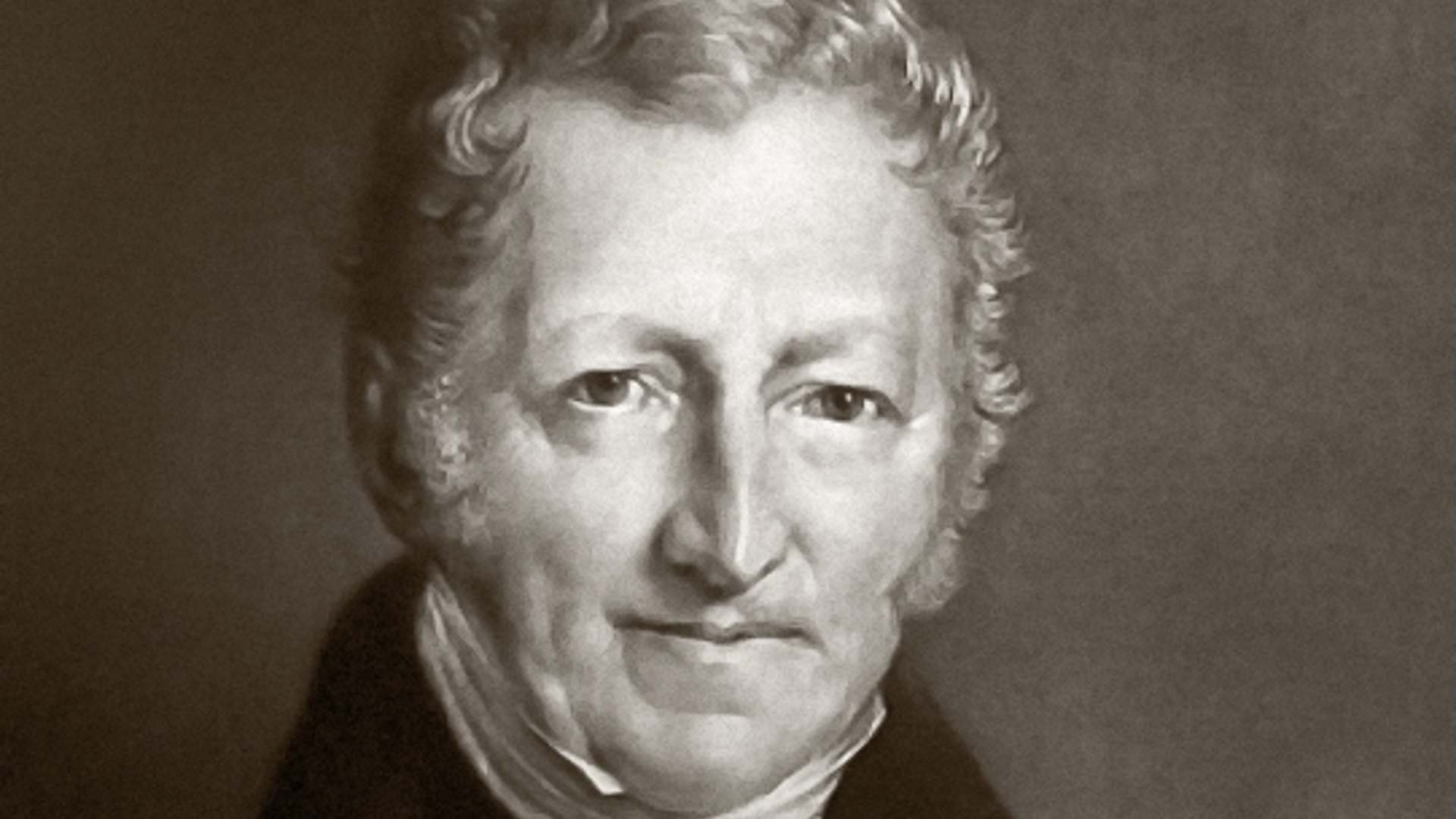
Ever since Thomas Malthus predicted (falsely) in 1798 that human population would soon outstrip food supplies, “Malthusianism” has been a central tenet and motivator of the global elites. The two obvious questions Malthusianism raised were 1) how to produce more food, and 2) how to limit population. In the present era, Kellogg’s now multinational conglomerate apparently figured out how to do both simultaneously.
But a third obvious question arose among the elite aristos of Malthus’ era (who in many cases were literally “en-titled” members of royal dynasties) who assumed for themselves the right to set laws and social policies to steer the world toward their vision of the future. That question was “If population must be reduced, who do we keep and who do we get rid of?” Out of the contemplation of that question was born “eugenics,” formalized by Charles Darwin’s nephew Francis Galton and expanded worldwide through international conferences and networking. The meme and motto of the movement emerged in the Second International Eugenics Conference (1921) in the form of the infamous “Eugenics Tree” logo, captioned “Eugenics is the self direction of human evolution.”
It is widely believed that eugenics ideology died out after World War II due to its association with Nazi Germany, but in reality it just faded into the background where, due to technological advances in genetics, robotics and artificial intelligence, it slowly but fully morphed into “transhumanism.”
From antiquity in Judeo-Christian civilization, human fertility had always been considered both a personal blessing and a social priority. “Be fruitful and multiply” was one of God’s first commands – and it has never been rescinded despite what people may think under the ever-rising pressure of Malthusian anti-family propaganda by Bill Gates and his ilk.
Biblically speaking, in vitro fertilization is not evil in itself. In at least one instance, when the normal fertilization failed in the Bible, God endorsed an alternative. The story of Judah and Tamar in Genesis 38:1-10 indicates that surrogate impregnation of a woman by a close male relative of her husband was socially expected, even mandated if her husband died. Indeed, when Judah’s son Onan deliberately spilled his seed on the ground during sex with Tamar to avoid his procreative duty to his deceased brother Er, God killed him for it!
Onan’s crime was not masturbation as some teach, but refusal to impregnate Tamar for the perpetuation of Er’s line. It was an anti-fertility crime – as is the presumed elite population-control campaign using anti-fertility chemicals. Let’s not forget that Gates (whose father was a Planned Parenthood board member) and the ultra-corrupt WHO stand accused of putting such chemicals in tetanus vaccines for women in Africa. Leftist media “fact checkers” dispute that, but who believes anything from them after the Twitter Files exposé? Follow the money and the ideology to find the truth.
Prior to advances in anti-fertility chemistry by Big Pharma, surgical sterilization was the primary preventive measure of the eugenicists, and abortion (pre-birth infanticide) was their back-up system. These were relatively small-scale operations from the 1920s through the ’40s, centered on ethnic minorities, but then in the 1950s the elites launched the “sexual revolution” to divorce sexuality from fertility (and family) as a universal social priority and to fully normalize every form of anti-fertility and anti-family practice and policy. The porn industry, the no-fault divorce movement, radical feminist ideology, the abortion industry, the LGBT movement and the pharmaceutical birth-control tsunami were all elements of this strategy that made supposedly “consequence-free” (meaning pregnancy free) sex the highest aim of Western civilization. It has always been about population control.
The weakest link in the eugenicist game plan has always been women, because God designed them as baby-makers and nurturers, physically, emotionally and psychologically. Turning women against their own nature has always required massive effort and expense by the elites, with limited success. Time and life experience has always been on the side of nature with even many of the most virulent self-centered feminists in their teens and 20s later escaping the net and reconnecting with their mothering instincts. I think the attack on women we’re seeing by these same elites using transgenderism is in fact punishment driven by frustration and rage that the Malthusian’s methods just aren’t working. Yes, there is still a large pro-abortion contingent in the electorate, even including women who have otherwise reverted to a more natural version of themselves, but it’s not unbreakable.
I believe the answer to all of it is for men, individually and collectively, to start affirming true femininity and natural womanhood with all the confidence of a conquering army and the passion of an election campaign. Bypass the battlegrounds the left has chosen for themselves and go right to the women, letting them know they are valuable and needed just as God made them. Because the only real antidote to the culture of lies and artificiality enslaving our society today is honest interactions among real people who speak plain truth and pursue a return to the God’s natural order in their own lives. Neither Malthusianism, nor eugenics, nor transhumanism have any place or power in that world.
Content created by the WND News Center is available for re-publication without charge to any eligible news publisher that can provide a large audience. For licensing opportunities of our original content, please contact [email protected].

Starting the Day With a Scripture-Inspired Roast Helps Center Your Thoughts on Eternal Truths Amid Temporal Pressures
The world can seem chaotic, especially right after we wake up. Many believers start their mornings reaching for something familiar — a hot cup of coffee — yet end up settling for mediocre brews that do little more than deliver a caffeine jolt. The daily grind of life, with its endless distractions, news cycles, and responsibilities, can leave even the most faithful feeling spiritually parched alongside their physical fatigue. What if your morning ritual could do more than wake you up? What if it could ground you in truth, nourish your body with exceptional quality, and quietly advance a kingdom purpose at the same time?
That’s the promise — and the reality — behind Promised Grounds Coffee. This Christian-founded company doesn’t just roast beans; it approaches every step as an act of worship and discipleship. By selecting only the top 10% of specialty-grade beans, ethically sourced from dedicated farmers in Central and South America, and small-batch roasting them with reverence in Austin, Texas, Promised Grounds delivers what many describe as the best coffee available — never burnt, never bland, but rich with origin stories and layered flavors that honor God’s creation.
From the vibrant Psalm 27 Roast (a light, bright medium option) to the bold yet peaceful 2 Timothy 1:7 Decaf, each bag carries a Scripture verse that turns your daily pour into a gentle reminder of faith. And through their Ounce Per Ounce Promise, every ounce of coffee you enjoy provides an equal ounce of clean water to families in need via partnership with Filter of Hope — literally brewing hope for body and soul, one cup at a time.
The challenge for today’s Christians runs deeper than finding a decent cup. In an age of convenience-driven consumerism, it’s easy to support companies that dilute values or remain silent on matters of faith. Many believers want their everyday choices — from what they drink to how they spend — to reflect discipleship rather than just convenience. Promised Grounds solves this by weaving Christian excellence into the entire process: beans nurtured with prayerful stewardship by farming families, roasted as an offering rather than a commodity, and packaged with Bible verses to encourage a mindset of gratitude and purpose from the first sip. Reviewers consistently praise the smooth, rich profiles — whether enjoyed black in a drip maker, iced on a warm day, or shared in fellowship — noting how the quality stands toe-to-toe with premium secular brands while delivering something far more meaningful.
This integration of faith and flavor addresses a real need in Christian households and ministries. Busy parents, church leaders, and remote workers alike report that starting the day with a Scripture-inspired roast helps center their thoughts on eternal truths amid temporal pressures. The coffee’s exceptional character — bright citrus notes in lighter roasts or deep chocolate undertones in bolder ones — comes from meticulous selection and careful roasting that respects the bean’s natural gifts rather than masking them. It’s the kind of coffee that elevates a simple quiet time, fuels productive workdays, or sparks meaningful conversations when shared at Bible studies or outreach events. And because it’s ethically sourced with integrity, every purchase supports sustainable livelihoods for farmers who treat their crops like family harvests.
For those leading churches or small groups, the impact multiplies. Promised Grounds offers bundles and options perfect for hospitality ministries, turning ordinary coffee service into an opportunity to point people toward the living water of Christ. Imagine greeting visitors with a warm cup whose very bag carries God’s Word — a subtle yet powerful witness that aligns with the Great Commission. The company’s Texas roots and commitment to “brewing hope” resonate especially with believers who value American enterprise paired with global compassion.
Of course, quality alone isn’t enough if the experience feels out of reach. Promised Grounds keeps it accessible with practical perks like free shipping on orders over $40, sample sets for discovering favorites, and thoughtful add-ons such as faith-themed mugs. Whether you prefer whole beans for fresh grinding, grounds for convenience, or even bulk options for larger households and ministries, the result is consistently superior coffee that makes discipleship feel integrated rather than added on.
As you consider how to align even the smallest habits with your walk with God, Promised Grounds Coffee stands out as a refreshing solution. It tackles the dual problems of subpar daily sustenance and disconnected consumption by offering a product that genuinely excels in taste while advancing a mission of clean water, farmer dignity, and scriptural encouragement. Believers who make the switch often describe it as more than a beverage upgrade — it becomes part of their rhythm of gratitude, a daily invitation to remember that every good gift comes from above.
If you’re ready to transform your mornings (and perhaps your church gatherings) with coffee that honors both exceptional craftsmanship and Christian values, I encourage you to explore what Promised Grounds has to offer. One sip at a time, you’ll be nourishing your body, refreshing your spirit, and participating in something far greater — all while enjoying what truly is among the best coffee available.
