

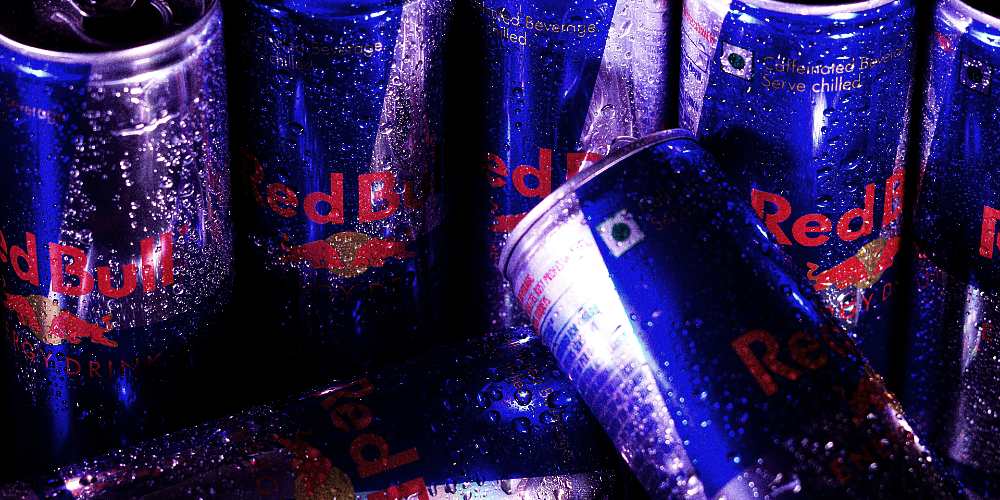
- Consuming energy drinks may increase the risk of sudden cardiac arrest, particularly in people with certain genetic heart conditions
- Among 144 sudden cardiac arrest survivors with pre-existing genetic heart conditions, 5% consumed one or more energy drinks around the time the cardiac arrest occurred
- For people with genetic heart disease, researchers concluded, “an early warning should be made about the potential risks of these drinks”
- Other scientists described energy drink consumption as a “rising public health issue,” noting that’s it’s linked to problems with the cardiovascular, gastrointestinal, renal, endocrine, psychiatric systems and neurological systems
- If your energy is lagging and you’re struggling with brain fog, energy drinks are not the answer; optimizing your mitochondrial function is
(Mercola)—Energy drinks are under scrutiny following research linking their consumption to sudden cardiac arrest.1 The beverages have soared in popularity in recent years among those looking for a quick boost. Energy drinks are the No. 2 most consumed supplement after multivitamins among adolescents and young adults,2 and their market size is expected to reach $90.49 billion in 2028.3
The cocktail of stimulating ingredients in energy drinks, however, could be putting heart health at risk, especially among people with certain genetic heart conditions. According to researchers from the Mayo Clinic, energy drinks may be “arrhythmogenic foods” that increase the risk of sudden cardiac arrest.
Energy Drinks May Increase Risk of Sudden Cardiac Arrest
Cardiac arrest occurs suddenly due to a malfunction in the heart that causes it to stop beating. An electrical signal in the heart may lead to arrhythmia, or irregular heartbeat, including ventricular fibrillation, which is the No. 1 cause of cardiac arrest. It describes a heartbeat so rapid that the heart trembles instead of pumping blood.4
“Energy drinks can trigger life-threatening cardiac arrhythmias,” researchers wrote in the journal Heart Rhythm. “It has been postulated that the highly stimulating and unregulated ingredients alter heart rate, blood pressure, cardiac contractility, and cardiac repolarization in a potentially proarrhythmic manner.”5
The study involved electronic medical records of all sudden cardiac arrest (SCA) survivors with proven arrhythmias who came to the Mayo Clinic Windland Smith Rice Genetic Heart Rhythm Clinic in Rochester, Minnesota, for evaluation. Among 144 SCA survivors with pre-existing genetic heart conditions, seven of them — or 5% — consumed one or more energy drinks around the time the cardiac arrest occurred.
Lead study author Dr. Michael J. Ackerman, Ph.D., genetic cardiologist at Mayo Clinic, explained in a news release:6
“While there seemed to be a temporal relationship between energy drink consumption and the seven patients’ sudden cardiac arrest event, a myriad of potential ‘agitators’ that could have also contributed to a genetic heart disease-associated arrhythmia occurred, like sleep deprivation, dehydration, dieting or extreme fasting, concomitant use of QT-prolonging drugs, or the postpartum period.
As such, unusual consumption of energy drinks most likely combined with other variables to create a ‘perfect storm’ of risk factors, leading to sudden cardiac arrest in these patients.”
That being said, previous studies have linked caffeine and sudden cardiac death. A 16-ounce energy drink may contain 80 milligrams (mg) to 300 mg of caffeine, along with other stimulant ingredients. Panera Bread recently removed caffeinated lemonade from its menu after lawsuits alleged they caused two deaths from cardiac arrest.7
“Although the relative risk is small and the absolute risk of sudden death after consuming an energy drink is even smaller, patients with a known sudden death predisposing genetic heart disease should weigh the risks and benefits of consuming such drinks in the balance,” Ackerman said.8 For people with genetic heart disease, the researchers concluded, “an early warning should be made about the potential risks of these drinks.”9
Energy Drinks Are an Arrhythmogenic Food
In an accompanying editorial, Dr. Ehud Chorin, Ph.D. with Tel Aviv University described arrhythmogenic foods as an underestimated medical problem, stating that energy drinks fall into this classification.10 Chorin says:11
“Establishing a probable cause of an arrhythmia includes inquiring about a potential exposure to toxins or medications. An increasing number of substances in the standard diet are found to have unwanted cardiac effects, prompting the consideration of a novel subcategory in a patient’s clinical history intake: arrhythmogenic foods. Energy drinks fall in this category.
The findings reported in this study should be viewed in the context of the large body of evidence suggesting arrhythmogenic effects of certain foods, especially when consumed in large quantities or large concentrations by high-risk patients.”
In the featured study, for instance, two of those affected had long QT syndrome (LQTS) while two had catecholaminergic polymorphic ventricular tachycardia (CPVT). Both of these conditions are associated with cardiac arrest, but the energy drinks may have increased the risk further.
LQTS is a disorder of the heart’s electrical activity that can cause dangerous arrhythmias, leading to fainting, seizures or sudden cardiac arrest. CPVT is a genetic condition that may trigger irregular, fast heartbeats, also leading to fainting, seizures or sudden cardiac arrest, particularly in young people and children. Chorin believes the energy drink connection to cardiac arrest is significant, stating:12
“Although the association could well be purely coincidental, the fact that this connection was observed in patients with long QT syndrome (LQTS) and catecholaminergic polymorphic ventricular tachycardia, but not in patients with Brugada syndrome (where the sympathetic stimulation of ‘energy drinks’ would not be expected to be proarrhythmic), provides some support to this observation.”
Energy Drinks a ‘Rising Public Health Issue’
Energy drinks are often marketed in ways that suggest they’re beneficial for boosting energy, enhancing physical and mental performance and improving concentration. These marketing strategies frequently highlight the inclusion of vitamins, amino acids and herbal extracts to create a perception of health benefits.
However, many health experts continue to caution that these beverages can pose significant health risks. “Large quantities of caffeine, taurine, sugars, and B-vitamins may be contributing to these outcomes by increasing the heart rate, blood pressure (BP), and contractility of the heart in addition to prolonging the QTc [corrected QT interval],” according to research published in Reviews in Cardiovascular Medicine.13
Scientists described energy drink consumption as a “rising public health issue,” noting that’s it’s not only linked to problems with the cardiovascular system but also others, including the gastrointestinal, renal, endocrine, psychiatric systems and neurological systems.14

One-third of adolescents aged 12 to 17 consume energy drinks regularly, and these beverages are most common among men between the ages of 18 and 34. Often, energy drinks are consumed along with alcohol or other substances,15 which may increase the risk of adverse health outcomes.
One study looked into the cardio- and cerebrovascular effects of consuming Red Bull, one of the leading brands in the energy drink market. Among 30 young adult women, drinking Red Bull led to a “decrease in the velocities of the carotid arteries and the middle cerebral artery as well as a decrease in cardiac output accompanied by a decrease in heart rate and a slight, although not significant, increase in systolic and diastolic blood pressures.”16
Caffeine and Other Stimulants in Energy Drinks Act Synergistically
The rising popularity of energy drinks led to a corresponding increase in caffeine consumption among children and adolescents. This rose 70% from 1977 to 2009.17 In energy drinks, the caffeine typically occurs alongside other stimulants such as guarana, taurine and L-carnitine.
“The adverse effects of EDs on the cardiovascular system are due to its many different ingredients that have the ability to individually and collectively change the physiology of the cardiovascular system,” researchers explained.18 While often increasing alertness and attention, the drugs also increase heart rate and breathing, along with health problems that may be fatal:19
“Adolescents gravitate toward these beverages to swiftly boost energy levels, enhance alertness, and increase scholastic or athletic performance. Consequences of this consumption pattern have led to a rising incidence of young individuals seeking medical attention in emergency departments due to an array of adverse health outcomes, as documented in results section.
Reports underscore that energy drinks have deleterious effects on a broad spectrum of bodily organs, culminating in mild adversities such as anxiety, gastrointestinal disturbances, dehydration, nervousness, and tachycardia, along with more severe outcomes like rhabdomyolysis, acute kidney injury (AKI), ventricular fibrillation, seizures, acute mania, and stroke.
Furthermore, instances linking energy drink consumption to fatalities have been documented.”
Caffeine, for instance, blocks adenosine receptors, which usually help relax blood vessels. Blocking adenosine receptors also increases levels of adenosine in the blood, which raises sympathetic activity — the part of the nervous system that controls the fight-or-flight response — along with stress hormone levels.20
Guarana, a plant native to the Amazon basin, is another common energy drink ingredient. Its seeds are known to have a high concentration of caffeine, often more than coffee beans, adding to energy drinks’ stimulatory effects.21 Even B vitamins, which play a vital role in your body, could support stimulatory adverse effects when consumed in large quantities alongside caffeine:22

“Despite B-vitamins being regarded as generally beneficial to the human body, large quantities of B-vitamins may likely be included in Eds [energy drinks] due to their function as cofactors for energy utilization and metabolism, therefore possibly augmenting the stimulatory effects of the other ingredients present in these beverages.”
Is Taurine in Energy Drinks a Problem?
Taurine is a type of amino acid, which are the building blocks of proteins. Unlike many other amino acids, taurine is not used to build proteins but rather plays several other critical roles in the body, such as supporting nerve growth, producing bile salts and helping with digestion and maintaining proper hydration.23
Taurine is considered a “conditionally essential,” or semi-essential, amino acid because, while your body can naturally produce it, supplementation might be necessary under certain conditions, such as in infants or in people with specific medical conditions.
Taurine is also commonly added to energy drinks, where it may contribute to caffeine-induced intracellular calcium release.24 This, in turn, may disrupt the normal calcium balance within cells, particularly in the heart and muscles.
“Short term exposure to taurine increases intracellular levels of calcium in vascular smooth muscle cells and the heart, leading to a positive inotropic effect,” according to the Reviews in Cardiovascular Medicine study.25
Positive inotropic agents, including caffeine, increase the amount of calcium available in heart cells. This enhanced calcium availability boosts your heart’s ability to contract more forcefully. While this can be beneficial in certain medical situations, excessive stimulation can lead to potential risks. However, dietary taurine has many health benefits.
Taurine acts as an antioxidant and anti-inflammatory agent that may be useful in warding off sarcopenia, an age-related condition characterized by the loss of muscle mass and function.26 Taurine is also the most abundant source of sulfur and is required for a wide range of physiological processes, including the healthy function of your immune system, nervous system,27 metabolism and digestion — but that’s not all.
According to research published in the June 2023 issue of the journal Science, taurine also appears to play an important role in longevity and healthy aging.28 The key to remember is that it’s best to get taurine and other nutrients from whole foods and, if necessary, via high-quality supplements — not synthetic energy drinks.
Taurine is found in animal foods such as seafood, red meat, poultry and dairy products. If you’re a vegan, however, you may want to consider a high-quality taurine supplement, as you’re not getting any from the foods you eat. While your body can synthesize some taurine, it’s not going to be sufficient in the long run, especially as you get older and your body’s ability to synthesize it diminishes. However, energy drinks are not a safe source of taurine or any other vitamin or herb.
How to Boost Your Energy Naturally
If your energy is lagging and you’re struggling with brain fog, energy drinks are not the answer. Optimizing your mitochondrial function is, however. It’s one of the most important strategies to increase your cellular energy, so it’s at the core of improving your health.
Avoiding dietary pitfalls like excess linoleic acid, in the form of vegetable and seed oils, is instrumental in optimizing mitochondrial function. Factors like estrogen and endotoxins can also deplete your cellular energy. You can find more essential tips for mitochondrial health and energy production — that won’t wreck your health like consuming energy drinks — in “Mitochondrial Health Is a Key Countermeasure Against the Global Indoctrination Program.”
- 1, 5, 9 Heart Rhythm June 5, 2024
- 2 Heart Rhythm June 5, 2024, Introduction
- 3 The Business Research Company, Energy Drinks Global Market Report 2024, January 2024
- 4 Johns Hopkins Medicine, Health, Cardiac Arrest
- 6, 8, 11 SciTechDaily June 9, 2024
- 7 Center for Science in the Public Interest May 14, 2024
- 10, 12 Heart Rhythm June 5, 2024, Editorial Commentary
- 13, 14, 15, 18, 20, 21, 22, 24, 25 Rev. Cardiovasc. Med. 2022, 23(3), 83
- 16 Anatol J Cardiol. 2023 Jan; 27(1): 19–25
- 17, 19 Nutrients. 2023 Sep; 15(18): 3922., Introduction
- 23 Cleveland Clinic October 1, 2023
- 26 Curr Protein Pept Sci. 2018 Jul; 19(7): 673–680
- 27 Journal of Biomedical Science August 24, 2010; 17 Article No. S1
- 28 Science June 9, 2023

Two Storms, One Harvest

Every food crisis in living memory has been a one-shock event. The 2008 price spike was a commodity bubble. The 2020 shortages were a logistics failure. The 2022 grain scare was a war on one exporter’s ports. Each time, the system bent, adjusted, and recovered, and each time the experts assured us afterward that global markets are simply too big and too diversified to fail.
What nobody in Washington seems eager to discuss is that 2026 is shaping up to be something the modern food system has never actually faced. Two independent shocks, one climatic and one geopolitical, are converging on the same harvest cycle at the same time. Not sequentially. Simultaneously.
Start with the weather. The Pacific Ocean is currently building toward what forecasters now openly call a record event. NOAA’s Climate Prediction Center puts the odds of at least a strong El Niño near 88 percent, with roughly two in three odds it reaches “very strong” status, the tier reserved for perhaps three or four events in the entire satellite era. Every major global model now projects a median peak in Super El Niño territory, and most of them project it exceeding the 2015-16 event, which until now held the modern record. Sea surface anomalies were already brushing the super threshold in mid-July, months before these events normally peak. The atmosphere has already shifted into El Niño mode, and the event is forecast to crest in late fall and early winter.
This is not about “climate change.” It’s about the standard cycles of weather, and the cycle we’re currently in is one that has likely devastated societies in the past. We’re better prepared as a society today, but not all Americans are equally prepared.
Serious households have started doing the quiet math on their own. Grocery bills tell part of the story, and the forecast maps tell the rest, which is why long-term food storage has moved from fringe hobby to mainstream line item in the family budget, with established suppliers like Heaven’s Harvest seeing demand from people who five years ago would have rolled their eyes at the idea. That instinct is not paranoia. It is pattern recognition, and the pattern is worth walking through carefully.
Editor’s Note: Heaven’s Harvest IS a sponsor, but the warnings of this article are real and would be written even if we didn’t have a survival food sponsor. With that said, those who take advantage of what they offer can use promo code “Patriot” for 15% off.
The Fertilizer Clock Is Already Running
While the Pacific warms, the second shock has been unfolding in the Strait of Hormuz. The conflict with Iran turned the world’s most important energy chokepoint into a contested waterway, and the consequences reach far beyond the gas pump. Roughly a third of global fertilizer trade moves through Hormuz, and the disruption sent urea prices up 86 percent year over year by March, with a 53 percent jump in a single month.
The World Bank projects energy prices rising about 24 percent in 2026 and fertilizer about 31 percent. By its own accounting, fertilizer prices ran 35 percent higher in the first five months of this year than the same period last year.
Here is the mechanism the nightly news will not explain. Fertilizer is not a grocery item. It is a time-delayed input. The nitrogen a farmer in Iowa or Punjab could not afford to apply this spring does not show up as a problem this spring. It shows up as a thinner harvest six to twelve months later.
The World Bank’s own food security brief concedes that the effects of reduced applications earlier this season “are likely to become visible only later in harvest outcomes.” Translate that from institutional language into plain English and it means this. The damage is already done, it is already in the ground, and we are simply waiting for it to arrive on the shelf.
Now check the calendar. Six to twelve months from the spring planting season lands us squarely in late 2026 and early 2027. Which is precisely when the strongest El Niño in the instrumental record is forecast to peak, bringing its signature droughts to Southeast Asia, Australia, southern Africa, northern Brazil, and South Asia, the very regions that grow the world’s rice, sugar, and oilseeds.
The World Bank warns openly that a strong El Niño “could disrupt multiple crop belts simultaneously” on top of the conflict-driven input costs. Their baseline projection assumes the Middle East disruptions ease by autumn. What in the last two years of Middle East history suggests that assumption is safe?
The System Has No Slack Left
The comfortable answer is that global markets always adjust. But adjustment requires slack, and the slack is gone. Global cereal production is expected to decline from last year’s records even before El Niño does its work. The UN World Food Programme, hardly a den of right-wing preppers, is calling this the most significant disruption to its supply chains since Covid and the invasion of Ukraine, and its supply chain director put the stakes bluntly.
Today’s supply chain challenges are tomorrow’s hunger crisis.
There is also a political dimension that markets cannot price. When food gets scarce, governments do not behave like economists. They behave like politicians. Export bans, hoarding mandates, and panic buying at the national level turned the modest rice shortfall of 2008 into a global crisis, and analysts are already warning that import-dependent nations are the first dominoes.
The 2015-16 Super El Niño, a far weaker event than what is now forecast, threw tens of millions into food stress across Africa and Asia. This one is projected to be stronger, and it arrives with fertilizer already rationed by price and shipping lanes already contested by missiles.
What Joseph Knew
Scripture does not treat preparation for lean years as faithlessness. It treats it as wisdom delivered in advance to those willing to act on it.
Behold, there come seven years of great plenty throughout all the land of Egypt: And there shall arise after them seven years of famine; and all the plenty shall be forgotten in the land of Egypt.
Joseph did not respond to that warning with a hashtag or a committee. He stored grain during the years of abundance, and when the famine came, Egypt stood while its neighbors begged. The lesson is not that famine is certain. It is that the time to prepare is precisely when preparation still looks optional.
Nobody who filled a pantry in a year of plenty has ever regretted it, and nobody standing in an empty aisle has ever been glad he waited for certainty.
None of this calls for panic, and panic is the enemy of sound judgment anyway. It calls for the same unglamorous prudence our grandparents considered ordinary. Keep some cash margin, know your local growers, and put real food in deep storage while it is cheap and available, because the entire arc of this story is that cheap and available is a closing window.
Families looking for a straightforward place to start can visit Heaven’s Harvest and use promo code Patriot for 15 percent off long-term storable food. The forecasts may yet soften, the strait may yet reopen, and we should pray they do. But hope is a fine thing to hold and a foolish thing to eat.
