

Editor’s Commentary: I abhor gimmicky lists. I did a list the other day for my show and I had to note the caveat that it was a list of ten, not a “top 10 list.” It just so happened that I had ten items on my list. The reason I hate gimmicky lists such as “top 10 lists” is because I believe in putting forth the best information whether it fits into a gimmick or not. Too often we see such lists that actually had eight or nine worthy items but one or two were added to make it a top 10 list. Other times there will be eleven or more worthy items with some getting eliminated… you get the point.
The list below by Ashley Allen from The Organic Prepper is such a list as it details one important prepper item based on the letters of the alphabet. While I personally would never do such a list, I’m publishing it for two reasons. First, at this stage in human history we should allow any gimmicks that might wake people up to the need to get prepared. Second, it’s a really good list. While it’s ludicrous to think there is only one item that starts with the letter “J” that preppers need, I don’t think anyone would have that illusion. Therefore, I’m publishing the article on merit even if I wouldn’t have made such a list myself. Enjoy!
Emergency preparedness is serious business but not all of our endeavors need to take on the gravity of life and death. This is a fun list, and while the suggestions are solid, it is by no means a list that covers everything you need to be prepared.
Without further ado, here’s an alphabetical list of preps that could serve you well.
Emergency Preps from A-Z
I’ve chosen one prep for each letter of the alphabet to help you get ready for disasters large or small.
A – Alcohol-based hand sanitizer: It’s important to have hand sanitizer on hand in case you don’t have access to soap and water. Alcohol-based hand sanitizer can help reduce the spread of germs and bacteria. Not a fan of hand sanitizer and prefer a natural approach? Here’s an article that explains when to use what kind of product.
B – Battery-powered radio: In the event of a power outage, a battery-powered or hand-crank radio can be a vital source of information. It can help you stay updated on weather forecasts, evacuation orders, and other important alerts. We recommend this one.
C – Cash: In an emergency, ATMs and credit card machines may not be available, so it’s important to have a supply of cash on hand. This can be used to purchase necessary supplies or pay for evacuation expenses. Put back small bills. You may not be able to get change during a crisis.
D – Drinking water: It’s important to have a supply of clean drinking water in case the water supply is disrupted or contaminated. Consider storing bottled water, or filling up jugs or other containers with tap water in case of an emergency. Here’s an article on water storage.
E – Emergency contact list: Having a list of emergency contacts can be invaluable in an emergency situation. This should include phone numbers for family members, friends, neighbors, and any relevant agencies or organizations. This is an important part of an emergency binder. Get a printable template here.
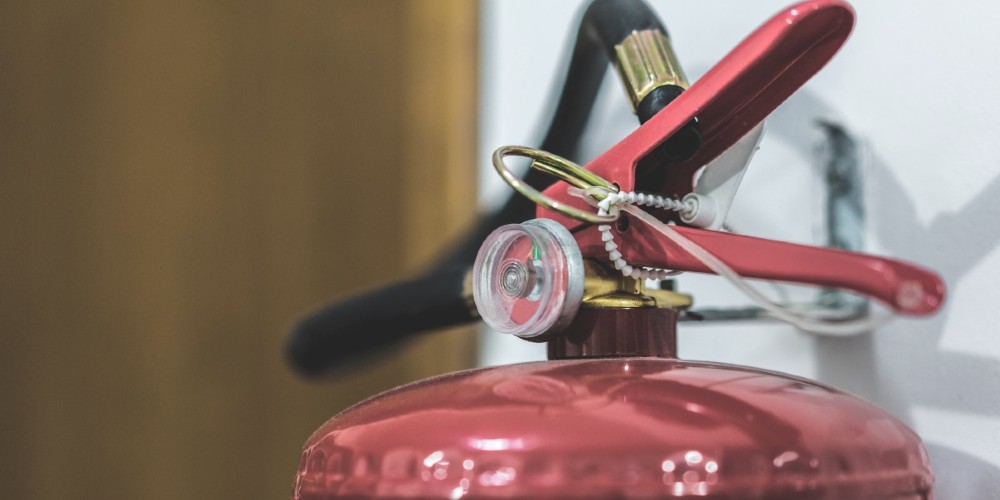
F – Fire extinguisher: A fire extinguisher can be a crucial tool for putting out small fires or containing them until the fire department arrives. It’s important to have one on hand in case of a fire emergency. Here’s an article on choosing and maintaining your fire extinguishers.
G – Generator: A generator can provide a reliable source of power in the event of a power outage. This can be especially important for those who rely on electricity for medical equipment or other essential needs. Daisy has this one for her apartment, and here’s some advice on choosing a larger one.
H – Hazardous materials kit: In the event of a chemical spill or other hazardous materials incident, it’s important to have a hazardous materials kit on hand. This should include protective gear, such as gloves and respirators, as well as supplies for cleaning up and neutralizing the hazard.
I – Insurance documents: In the event of a natural disaster or other emergencies, it’s important to have copies of your insurance documents on hand. This can help you quickly file a claim and get the financial assistance you need to recover. This printable helps you create a home inventory for insurance purposes.

J – Jacket: A warm jacket can be essential in an emergency situation, especially if you are evacuated to a location with a different climate than you are used to. It’s important to have a jacket that is appropriate for the weather in your area, as well as any locations you may need to evacuate to.
K – Knife: A knife can be a useful tool in a variety of emergency situations, including cutting through debris, opening cans, and preparing food. It’s important to have a reliable and durable knife on hand in case you need it. Here’s some advice on choosing a knife.
L – Light source: In the event of a power outage, a light source can be essential for navigating your home and performing tasks. This can include flashlights, candles, or a headlamp. This article discusses different types of emergency lighting.
M – Medical supplies: A basic first aid kit should be part of your emergency preparedness kit. This should include supplies like bandages, gauze, and pain medication, as well as any prescription medications you or your family members may need. Check out this article about OTC medications and medical supplies.
N – Non-perishable food: It’s important to have a supply of non-perishable food, such as canned goods, dried fruits and nuts, and protein bars, in case you don’t have access to fresh food. These items will keep for a long time without refrigeration and can help sustain you in an emergency situation. Here’s some advice on building your prepper food supply.
O – Oxygen tanks: If you or a family member relies on oxygen tanks for medical purposes, it’s important to have a supply of tanks on hand in case of an emergency.

P – Pet supplies: If you have pets, it’s important to include them in your emergency. Here’s a printable checklist.
Q – Quick clotting products: Quick clotting powder is a highly effective bleeding control agent that helps to stop bleeding within minutes of application. It is made from a clay-like substance that is applied directly to the wound, where it absorbs excess blood and helps to form a clot. This can be a lifesaving tool in situations where traditional methods of bleeding control, such as applying pressure to the wound, are not enough. Here’s a source of Quik Clot gauze and Celox powder.
R – Respirator mask: In the event of a natural disaster or other emergency situation, it’s possible that the air quality may be compromised. A respirator mask can help protect you from inhaling harmful particles and contaminants in the air. Here’s our guide to respirators and masks.
S – Smoke detector: A smoke detector is a vital component of any emergency preparedness plan. It can alert you to the presence of fire in your home, giving you the opportunity to evacuate or take other safety measures. Be sure to test your smoke detectors regularly and replace the batteries as needed.
T – Tent: A tent is an important item to have in an emergency because it can provide shelter in case you need to evacuate your home or if you are caught in an unexpected outdoor situation. A tent can protect you from the elements and provide a sense of security. Here are the pros and cons of bugging out with a tent.
U – USB charger: In an emergency, it’s important to have a way to charge your phone or other electronic devices. A USB charger can be a lifesaver, especially if you need to use your phone to call for help or stay in touch with loved ones. This portable charger has fantastic reviews on Amazon and is very reliable.
V – Vaseline: Vaseline is a versatile product that can be used in a variety of emergency situations. It can be used to protect and moisturize skin, as well as to seal small cuts and scratches. In a survival situation, Vaseline can also be used as a fire starter or to lubricate gear.
W – Water filter: A water filter is essential in an emergency because it can allow you to access clean drinking water if your regular source is compromised. There are many different types of water filters available, including straw filters, gravity filters, and pump filters. Choose one that is appropriate for the situation you may face. We recommend a gravity-fed water filter for home use and a Sawyer Mini or Lifestraw when you’re on the go.
X – X-Acto knife: An X-Acto knife is a precise cutting tool that can be used to cut through a variety of materials, including paper, fabric, and plastic. It can be especially useful in an emergency if you need to cut through small items or make precise cuts.
Y – Y: Yellow rubber cleaning gloves – You know the kind – your mother and grandmother swore by them to protect their hands when doing dishes. Yellow rubber gloves can be worn when handling hazardous materials, cleaning up after an emergency, or handling human waste.
Z – Ziptop bags: Ziptop bags are a useful item to have in an emergency because they can be used to store and protect a variety of items. They are great for organizing supplies and keeping them dry, and they can also be used to store food or other perishable items.
Your turn!
Pick a letter (maybe the first letter of your username?) and give us some prepping suggestions for that letter. Let’s have some fun with this in the comments!
About Ashley
Ashley Allen is part of a prepping family. She has spent her entire adult life getting prepared for one event or another. She enjoys traveling, gardening, and decorating.

Two Storms, One Harvest

Every food crisis in living memory has been a one-shock event. The 2008 price spike was a commodity bubble. The 2020 shortages were a logistics failure. The 2022 grain scare was a war on one exporter’s ports. Each time, the system bent, adjusted, and recovered, and each time the experts assured us afterward that global markets are simply too big and too diversified to fail.
What nobody in Washington seems eager to discuss is that 2026 is shaping up to be something the modern food system has never actually faced. Two independent shocks, one climatic and one geopolitical, are converging on the same harvest cycle at the same time. Not sequentially. Simultaneously.
Start with the weather. The Pacific Ocean is currently building toward what forecasters now openly call a record event. NOAA’s Climate Prediction Center puts the odds of at least a strong El Niño near 88 percent, with roughly two in three odds it reaches “very strong” status, the tier reserved for perhaps three or four events in the entire satellite era. Every major global model now projects a median peak in Super El Niño territory, and most of them project it exceeding the 2015-16 event, which until now held the modern record. Sea surface anomalies were already brushing the super threshold in mid-July, months before these events normally peak. The atmosphere has already shifted into El Niño mode, and the event is forecast to crest in late fall and early winter.
This is not about “climate change.” It’s about the standard cycles of weather, and the cycle we’re currently in is one that has likely devastated societies in the past. We’re better prepared as a society today, but not all Americans are equally prepared.
Serious households have started doing the quiet math on their own. Grocery bills tell part of the story, and the forecast maps tell the rest, which is why long-term food storage has moved from fringe hobby to mainstream line item in the family budget, with established suppliers like Heaven’s Harvest seeing demand from people who five years ago would have rolled their eyes at the idea. That instinct is not paranoia. It is pattern recognition, and the pattern is worth walking through carefully.
Editor’s Note: Heaven’s Harvest IS a sponsor, but the warnings of this article are real and would be written even if we didn’t have a survival food sponsor. With that said, those who take advantage of what they offer can use promo code “Patriot” for 15% off.
The Fertilizer Clock Is Already Running
While the Pacific warms, the second shock has been unfolding in the Strait of Hormuz. The conflict with Iran turned the world’s most important energy chokepoint into a contested waterway, and the consequences reach far beyond the gas pump. Roughly a third of global fertilizer trade moves through Hormuz, and the disruption sent urea prices up 86 percent year over year by March, with a 53 percent jump in a single month.
The World Bank projects energy prices rising about 24 percent in 2026 and fertilizer about 31 percent. By its own accounting, fertilizer prices ran 35 percent higher in the first five months of this year than the same period last year.
Here is the mechanism the nightly news will not explain. Fertilizer is not a grocery item. It is a time-delayed input. The nitrogen a farmer in Iowa or Punjab could not afford to apply this spring does not show up as a problem this spring. It shows up as a thinner harvest six to twelve months later.
The World Bank’s own food security brief concedes that the effects of reduced applications earlier this season “are likely to become visible only later in harvest outcomes.” Translate that from institutional language into plain English and it means this. The damage is already done, it is already in the ground, and we are simply waiting for it to arrive on the shelf.
Now check the calendar. Six to twelve months from the spring planting season lands us squarely in late 2026 and early 2027. Which is precisely when the strongest El Niño in the instrumental record is forecast to peak, bringing its signature droughts to Southeast Asia, Australia, southern Africa, northern Brazil, and South Asia, the very regions that grow the world’s rice, sugar, and oilseeds.
The World Bank warns openly that a strong El Niño “could disrupt multiple crop belts simultaneously” on top of the conflict-driven input costs. Their baseline projection assumes the Middle East disruptions ease by autumn. What in the last two years of Middle East history suggests that assumption is safe?
The System Has No Slack Left
The comfortable answer is that global markets always adjust. But adjustment requires slack, and the slack is gone. Global cereal production is expected to decline from last year’s records even before El Niño does its work. The UN World Food Programme, hardly a den of right-wing preppers, is calling this the most significant disruption to its supply chains since Covid and the invasion of Ukraine, and its supply chain director put the stakes bluntly.
Today’s supply chain challenges are tomorrow’s hunger crisis.
There is also a political dimension that markets cannot price. When food gets scarce, governments do not behave like economists. They behave like politicians. Export bans, hoarding mandates, and panic buying at the national level turned the modest rice shortfall of 2008 into a global crisis, and analysts are already warning that import-dependent nations are the first dominoes.
The 2015-16 Super El Niño, a far weaker event than what is now forecast, threw tens of millions into food stress across Africa and Asia. This one is projected to be stronger, and it arrives with fertilizer already rationed by price and shipping lanes already contested by missiles.
What Joseph Knew
Scripture does not treat preparation for lean years as faithlessness. It treats it as wisdom delivered in advance to those willing to act on it.
Behold, there come seven years of great plenty throughout all the land of Egypt: And there shall arise after them seven years of famine; and all the plenty shall be forgotten in the land of Egypt.
Joseph did not respond to that warning with a hashtag or a committee. He stored grain during the years of abundance, and when the famine came, Egypt stood while its neighbors begged. The lesson is not that famine is certain. It is that the time to prepare is precisely when preparation still looks optional.
Nobody who filled a pantry in a year of plenty has ever regretted it, and nobody standing in an empty aisle has ever been glad he waited for certainty.
None of this calls for panic, and panic is the enemy of sound judgment anyway. It calls for the same unglamorous prudence our grandparents considered ordinary. Keep some cash margin, know your local growers, and put real food in deep storage while it is cheap and available, because the entire arc of this story is that cheap and available is a closing window.
Families looking for a straightforward place to start can visit Heaven’s Harvest and use promo code Patriot for 15 percent off long-term storable food. The forecasts may yet soften, the strait may yet reopen, and we should pray they do. But hope is a fine thing to hold and a foolish thing to eat.
