

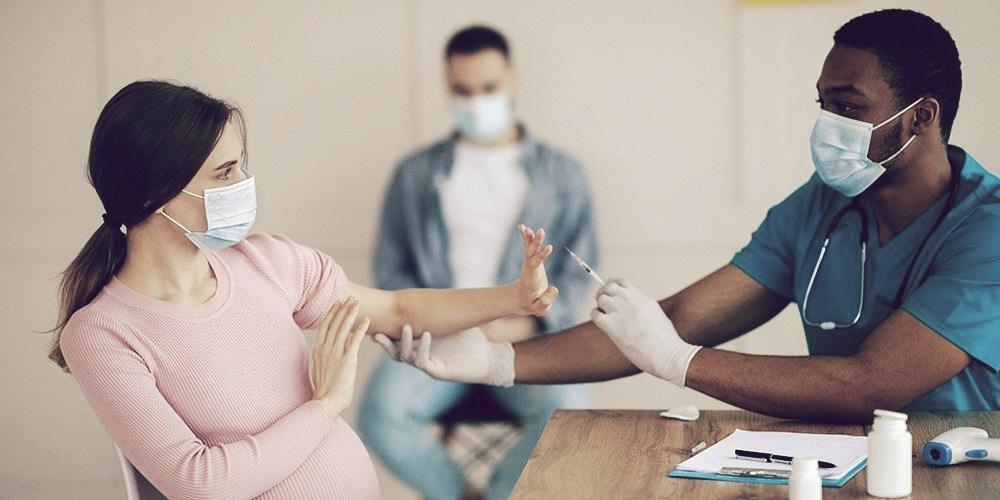
(Natural News)—This has gone beyond “vaccine skepticism” folks. The world is coming to the realization that vaccines, and we’re talking ALL of them, are much more of a risk than a benefit, if there’s any benefit at all. In fact, a growing number of pregnant women and young mothers in the U.S. are reconsidering routine childhood vaccinations, according to two nationwide surveys published in JAMA Network Open. The findings show that 60% of respondents are considering delaying or refusing vaccines for their children, a sharp shift from pre-COVID-19 trends when fewer than 25% of parents questioned the Centers for Disease Control and Prevention (CDC) vaccination schedule.
- 60% of pregnant women and young mothers are hesitant or plan to delay routine childhood vaccines, according to two nationwide surveys published in JAMA Network Open—a sharp increase from pre-COVID vaccine skepticism levels.
- Mothers with previous birth experience showed the highest levels of vaccine skepticism, while 48% of first-time pregnant women said they were still undecided about childhood vaccinations, signaling a shift toward more individualized decision-making.
- Experts suggest growing hesitancy stems from increased access to information and past experiences with COVID-19 vaccines, leading parents to critically assess the risks, timing, and number of vaccines recommended for children.
- Healthcare providers and researchers are urging more early engagement on vaccination discussions, but many experts emphasize that trust is built through respectful dialogue—not pressure—highlighting a shift toward informed, collaborative decision-making between parents and providers.
‘An Encouraging Sign’: 60% of Pregnant Women and Young Mothers May Delay or Refuse Routine Vaccines for Kids
The surveys included responses from 174 pregnant women and 1,765 parents of young children, collected in April 2024. Vaccine hesitancy was most prominent among pregnant women who had already given birth and parents of young children. Notably, 25% of parents said they would refuse at least some vaccines for their children, while 33% expressed intent to skip all or part of the childhood immunization schedule. Nearly half of first-time pregnant women reported being undecided.
Experts believe this trend is a reflection of increased scrutiny and awareness surrounding vaccines, particularly after the COVID-19 pandemic. Dr. Brian Hooker of Children’s Health Defense (CHD) attributes the shift to both the public’s experience with COVID-19 vaccines and advocacy from figures like Robert F. Kennedy Jr., who has called for comprehensive reviews of childhood health threats—including vaccines.
Dr. Christina Parks, a biologist, emphasized that many mothers are not inherently anti-vaccine but are instead motivated by a desire to understand medical choices more deeply. She notes that for many, the overwhelming number and timing of infant vaccinations can be surprising, prompting parents to conduct their own research—especially if they observe concerning reactions in their child.
Obstetrician-gynecologist Dr. Kimberly Biss echoed this sentiment, saying most of her reproductive-age patients have not received any vaccinations since early 2022. Internal medicine physician Dr. Clayton Baker Jr. sees the trend as a form of critical thinking rather than rejection of medical science. “Parents are waking up,” he said, adding that more are choosing to judge what’s best for their children based on research and personal beliefs, rather than blindly following official recommendations.
Recent studies support this trend. A Vaccines journal article from May 2024 noted a 15.8 percentage point increase in pediatric COVID-19 vaccine hesitancy between 2021 and 2022. Another study showed a decline in vaccine adherence among toddlers in 2021. A Gallup survey also revealed a drop in public support for mandatory childhood vaccinations—from 94% in 2001 to just 69% in 2024.
While the CDC and Emory University researchers suggest more proactive education efforts during pregnancy, critics warn that pushing vaccines too aggressively could have the opposite effect—prompting more parents to question official guidance. Parks stresses that trust is built through open dialogue, not pressure. Many parents now seek partnerships with healthcare providers, not directives.
In short, today’s parents are becoming more engaged and informed about childhood vaccinations. This shift signals not just hesitancy, but a demand for transparency, autonomy, and trust in the healthcare system.
Bookmark Vaccines.news to your favorite independent websites for updates on MORE reasons to avoid experimental gene therapy injections that lead to early death, infertility, turbo cancer and Long-Vax-Syndrome.
Sources for this article include:

Starting the Day With a Scripture-Inspired Roast Helps Center Your Thoughts on Eternal Truths Amid Temporal Pressures
The world can seem chaotic, especially right after we wake up. Many believers start their mornings reaching for something familiar — a hot cup of coffee — yet end up settling for mediocre brews that do little more than deliver a caffeine jolt. The daily grind of life, with its endless distractions, news cycles, and responsibilities, can leave even the most faithful feeling spiritually parched alongside their physical fatigue. What if your morning ritual could do more than wake you up? What if it could ground you in truth, nourish your body with exceptional quality, and quietly advance a kingdom purpose at the same time?
That’s the promise — and the reality — behind Promised Grounds Coffee. This Christian-founded company doesn’t just roast beans; it approaches every step as an act of worship and discipleship. By selecting only the top 10% of specialty-grade beans, ethically sourced from dedicated farmers in Central and South America, and small-batch roasting them with reverence in Austin, Texas, Promised Grounds delivers what many describe as the best coffee available — never burnt, never bland, but rich with origin stories and layered flavors that honor God’s creation.
From the vibrant Psalm 27 Roast (a light, bright medium option) to the bold yet peaceful 2 Timothy 1:7 Decaf, each bag carries a Scripture verse that turns your daily pour into a gentle reminder of faith. And through their Ounce Per Ounce Promise, every ounce of coffee you enjoy provides an equal ounce of clean water to families in need via partnership with Filter of Hope — literally brewing hope for body and soul, one cup at a time.
The challenge for today’s Christians runs deeper than finding a decent cup. In an age of convenience-driven consumerism, it’s easy to support companies that dilute values or remain silent on matters of faith. Many believers want their everyday choices — from what they drink to how they spend — to reflect discipleship rather than just convenience. Promised Grounds solves this by weaving Christian excellence into the entire process: beans nurtured with prayerful stewardship by farming families, roasted as an offering rather than a commodity, and packaged with Bible verses to encourage a mindset of gratitude and purpose from the first sip. Reviewers consistently praise the smooth, rich profiles — whether enjoyed black in a drip maker, iced on a warm day, or shared in fellowship — noting how the quality stands toe-to-toe with premium secular brands while delivering something far more meaningful.
This integration of faith and flavor addresses a real need in Christian households and ministries. Busy parents, church leaders, and remote workers alike report that starting the day with a Scripture-inspired roast helps center their thoughts on eternal truths amid temporal pressures. The coffee’s exceptional character — bright citrus notes in lighter roasts or deep chocolate undertones in bolder ones — comes from meticulous selection and careful roasting that respects the bean’s natural gifts rather than masking them. It’s the kind of coffee that elevates a simple quiet time, fuels productive workdays, or sparks meaningful conversations when shared at Bible studies or outreach events. And because it’s ethically sourced with integrity, every purchase supports sustainable livelihoods for farmers who treat their crops like family harvests.
For those leading churches or small groups, the impact multiplies. Promised Grounds offers bundles and options perfect for hospitality ministries, turning ordinary coffee service into an opportunity to point people toward the living water of Christ. Imagine greeting visitors with a warm cup whose very bag carries God’s Word — a subtle yet powerful witness that aligns with the Great Commission. The company’s Texas roots and commitment to “brewing hope” resonate especially with believers who value American enterprise paired with global compassion.
Of course, quality alone isn’t enough if the experience feels out of reach. Promised Grounds keeps it accessible with practical perks like free shipping on orders over $40, sample sets for discovering favorites, and thoughtful add-ons such as faith-themed mugs. Whether you prefer whole beans for fresh grinding, grounds for convenience, or even bulk options for larger households and ministries, the result is consistently superior coffee that makes discipleship feel integrated rather than added on.
As you consider how to align even the smallest habits with your walk with God, Promised Grounds Coffee stands out as a refreshing solution. It tackles the dual problems of subpar daily sustenance and disconnected consumption by offering a product that genuinely excels in taste while advancing a mission of clean water, farmer dignity, and scriptural encouragement. Believers who make the switch often describe it as more than a beverage upgrade — it becomes part of their rhythm of gratitude, a daily invitation to remember that every good gift comes from above.
If you’re ready to transform your mornings (and perhaps your church gatherings) with coffee that honors both exceptional craftsmanship and Christian values, I encourage you to explore what Promised Grounds has to offer. One sip at a time, you’ll be nourishing your body, refreshing your spirit, and participating in something far greater — all while enjoying what truly is among the best coffee available.
