

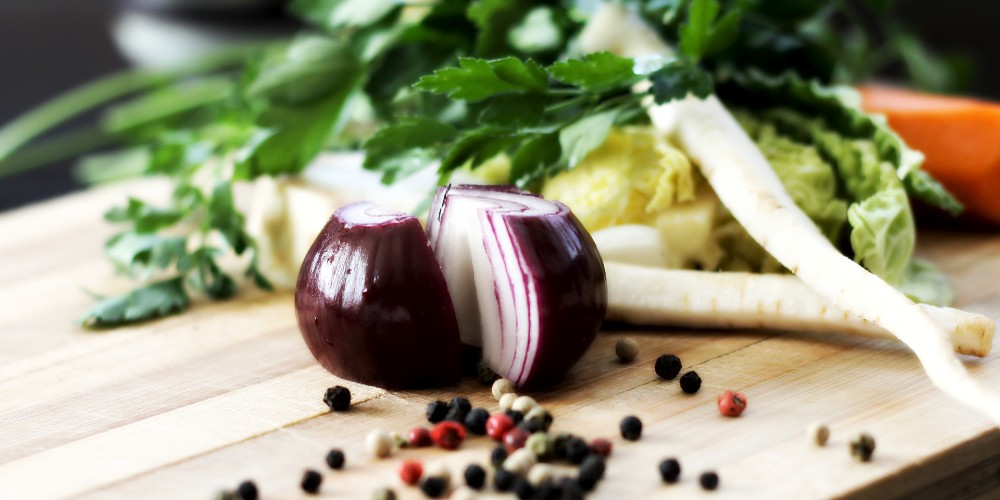

Even though central banks all over the world have been raising interest rates in recent months, food prices just continue to go up. There are a couple of reasons why this is happening. First of all, demand for food is very inelastic. In other words, no matter how high or how low prices go, people are still going to need to eat. So even if the Federal Reserve sent interest rates into the stratosphere, people would still need to go the supermarket to get food for themselves and their families. Secondly, we are facing some severe long-term supply problems. As I have detailed in previous articles, food production is being significantly hindered in a number of different ways, and that isn’t going to change any time soon. There simply is not enough food to feed everyone on the planet, and supplies are only going to get tighter in the months and years ahead. No matter what central banks do, this is going to push food prices steadily higher.
But even though higher interest rates haven’t had much of an impact on food prices, we knew that they would dramatically affect western economies in many other ways. Economic activity is starting to dry up all over the western world, and as I discussed the other day, Europe has already plunged into a recession.
In addition, higher interest rates have burst the global housing bubble, and here in the United States we have entered what will ultimately become the greatest commercial real estate crisis in our entire history.
On top of everything else, hundreds of small and mid-size banks are now struggling to survive because higher rates have blown giant black holes in their balance sheets.
After seeing all the damage that they have caused, officials at the Federal Reserve finally decided to “pause” their interest rate hiking campaign on Wednesday…
Federal Reserve policymakers left the central bank’s benchmark interest rate unchanged despite inflation that has run above its target for over two years, saying the pause would allow it to gauge the effects of earlier hikes on the economy.
The Fed said on Wednesday that it would hold its benchmark rate at a range of five percent to 5.25 percent, the range it set at its May meeting and the highest since the Fed cut rates at the summer of 2007. At the same time, the Fed signaled that it expects to hike at least two more times this year.
If they had any sense, they would start cutting rates.
But that probably won’t happen for a while.
The good news is that higher rates have crushed economic activity enough that the overall rate of inflation has started to come down…
Overall, consumer prices increased 4% from a year earlier, down from 4.9% in April and a 40-year high of 9.1% last June, according to the Labor Department’s consumer price index.
Of course you have to take those numbers with a grain of salt.
If the inflation rate was still calculated the way that it was back in 1980, it would still be well into double digits right now.
And when you look at core CPI, it has “barely budged” over the past year…
And when you dig into core CPI, the news isn’t nearly so good. In fact, it’s downright bad.
Core CPI, excluding food and energy prices, rose 0.4% month-on-month. On an annual basis, core CPI rose by 5.3%.
To put that number into perspective, the core CPI increase in May 2022 was 6%. That means the increase in core CPI has barely budged.
That is very troubling.
And what is even more troubling is the fact that food prices in the U.S. just continue to go up…
But what the data also revealed is that food prices continue to increase. According to the new government data, food at home prices went up 5.8% for the year ending in May. For food away from home, prices have jumped 8.3%.
Once again, it is important to remember that the way inflation is calculated has changed dramatically over the decades.

If food inflation was still calculated the way that it was back in 1980, those numbers would be way into the double digits.
And even with all of the massaging that they do to the numbers these days, there are certain categories of food where the official numbers that we have been given actually show double digit inflation on a yearly basis…
Frozen vegetables (18.7%)
Frozen drinks (15.8%)
Bread (12.5%)
Fats and oils (11.8%)
Candy (11.6%)
Cakes, cookies and cupcakes (11%)
Baby food and formula (10.1)
The cost of living has been escalating much faster than our paychecks have, and this is putting enormous financial stress on American families.
Thanks to the rapidly rising cost of living, more U.S. adults than ever are being forced to find a “side hustle”…
As many as two in five adults in the U.S. have a side hustle, according to a recent Bankrate survey of 2,500-plus adults, backing up LendingTree data from earlier this year that found side gigs are up by 13% over the past two years and recent Deloitte data that found more millennials and Gen Zers are adding on part-time jobs. Younger workers are more likely to need an extra job: 53% of Gen Zers and half of millennials have one, Bankrate finds, compared to only 40% of Gen Xers and 24% of baby boomers.
It’s a reflection of the state of the economy, which has left many Americans—even those earning six figures—feeling like they’re living paycheck to paycheck. At the end of the day, side hustles have become a necessity for many who are struggling to compete with the pace of inflation and trying to save amid recession fears.
And food inflation is also one of the reasons why demand at food banks around the nation has been absolutely exploding in recent months.
For example, just check out what is happening in one area of Oklahoma…
Food banks across Green Country are seeing a spike in the number of people using their services.
Two issues are at play: it’s more expensive to make ends meet because of inflation and emergency SNAP benefits are ending.
Just since March, the food bank said there’s been a 50-percent increase in people who need help.
Unfortunately, this isn’t just happening in the United States.
In fact, food inflation is a much bigger problem over in Europe right now…
Whether in Spain, Hungary, or Italy, food prices keep rising in Europe even as inflation relents. Food inflation reached a historic peak in March, up 19.2% over the previous year, and fell to 12.5% in May. Governments across the continent are trying to come up with solutions: Spain waived its 5% tax on food products, France reached a three-month pricing agreement with supermarkets, and Croatia mandated price controls.
But the interventions don’t seem to be sufficient, and even staples or typical products are affected. In Italy, the price of pasta has surged by 14% in the past year, twice as much as overall inflation, and the nation’s tables are paying a steep price for higher energy costs following Russia’s invasion of Ukraine, along with the resulting wheat shortages.
All over the world, food prices are moving up faster than wages are.
And the outlook for global food production in 2023 is not promising.
Sadly, this is just the very beginning of this crisis. In my latest book I spend several chapters detailing a number of nightmarish long-term trends that are going to absolutely crush global food production during the years to come.
No matter what our leaders do now, global famine is inevitable.
We aren’t able to feed everyone in the world right now, and global food supplies are only going to get tighter.
But most people don’t understand the long-term trends that we are facing.
Most people just assume that the “bumps in the road” that we are currently facing are just temporary and that everything will be “just fine” in the long run.
Don’t be one of those people.
Michael’s new book entitled “End Times” is now available in paperback and for the Kindle on Amazon.com, and you can check out his new Substack newsletter right here.
Article cross-posted from The Economic Collapse Blog.
Three Reasons a Coffee Gift Set From This Christian Company Is Perfect for Christmas

When you’re searching for a Christmas gift that’s meaningful, useful, and rooted in faith, you don’t want to settle for anything generic. This season is filled with noise — mass-produced products, last-minute picks, and trends that fade as quickly as they appear. But one gift stands apart because it blends genuine quality with a message that matters: a coffee gift set from Promised Grounds Coffee.
This small Christian-owned company has become a favorite among believers who want to support faith-driven businesses while giving friends and family something they’ll actually enjoy. Here are three reasons a Promised Grounds Coffee gift set may be the most thoughtful and impactful present you give this year.
1. It’s Truly Delicious Coffee
Too many “gift-worthy” coffees look beautiful in the package but disappoint when the cup is poured. Promised Grounds takes the opposite approach — exceptional taste first, thoughtful presentation second.
Their beans are sourced with care, roasted in small batches, and crafted to bring out a rich, smooth flavor profile that appeals to both casual drinkers and true coffee lovers. Whether someone enjoys bold, dark roasts or lighter, more delicate blends, every sip reflects quality that stands shoulder-to-shoulder with the biggest specialty brands.
Simply put: this coffee is good. Really good. Some say it’s absolutely fantastic. If you want a gift that won’t be re-gifted, ignored, or shoved in a cabinet, this is it.
2. It Spreads the Word While Serving a Real Purpose
There are many Christian gifts that are meaningful… but not exactly practical. There are also useful gifts that have nothing to do with faith. Promised Grounds Coffee bridges both worlds beautifully.
Each gift set delivers an encouraging, faith-centered message through its packaging and presentation — a simple but powerful reminder of God’s goodness during the Christmas season. The cups are especially popular and serve as a daily reminder of the blessings from our Lord. At the same time, the product itself is something people will actually use and appreciate every single day.
It’s a gift that uplifts the spirit and fills the mug. A gift that points loved ones toward Scripture while still being part of the normal rhythm of life. And in a culture that increasingly pushes faith to the margins, giving a gift that quietly but confidently honors Christ can make a deeper impact than you might expect.
3. It’s Affordable, Valuable, and Elegantly Presented
Many people want to give something meaningful without breaking their Christmas budget. Promised Grounds Coffee strikes that perfect balance — the sets look and feel premium, but the price remains accessible.
The packaging is classy, clean, and gift-ready, making it ideal for:
- Family members of all ages
- Co-workers or employees
- Church friends or small-group leaders
- Hosts, neighbors, and last-minute gift needs
It’s the kind of gift that feels more expensive than it is — and more thoughtful than most of what you’ll find on store shelves.
The Perfect Blend of Faith, Flavor, and Christmas Cheer
A coffee gift set from Promised Grounds Coffee checks every box: a gift that tastes amazing, conveys your faith, supports a Christian business, and brings daily enjoyment to the person who receives it. In a season when so many gifts are forgotten, this one stands out for all the right reasons.
If you want a Christmas present that reflects your values and delivers genuine joy, Promised Grounds Coffee is the perfect place to start.
