

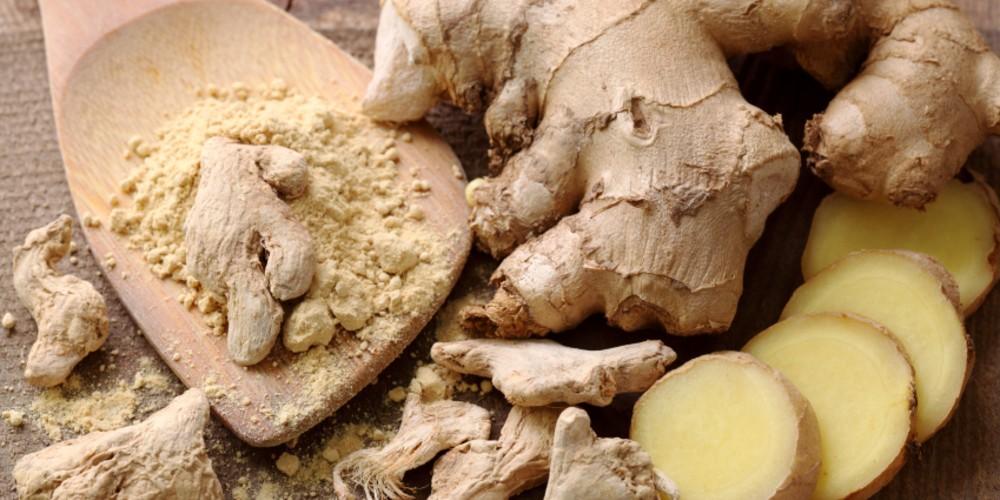
- Modern research validates that combining ginger and garlic creates a significantly stronger antioxidant, antibacterial and antiviral effect than using either ingredient alone.
- The ginger-garlic combination is more effective at combating harmful bacteria (like E. coli) and model viruses, requiring a lower concentration to inhibit pathogens than individual extracts.
- The synergy works because each root contributes unique compounds—ginger provides anti-inflammatory gingerols, while garlic contributes sulfur-based allicin and immune-supporting minerals—which amplify each other’s effects.
- To harness these benefits, use fresh ingredients: crush garlic and let it sit for 10 minutes to activate allicin, and incorporate fresh ginger and garlic daily into tonics, soups, stir-fries and dressings.
- The study provides scientific evidence for ancient healing practices, positioning this accessible food combination as a practical, evidence-backed strategy for supporting immune resilience and combating oxidative stress.
(Natural News)—In a striking validation of ancient healing traditions, modern science has confirmed that a simple combination of two common kitchen ingredients—ginger and garlic—creates a powerful synergistic effect capable of combating dangerous bacteria and viruses. The research, conducted by scientist Saravanan Rajendrasozhan at the University of Ha’il and published in the journal Bioinformation, delivers a compelling verdict: Together, these roots achieve significantly greater antioxidant, antibacterial and antiviral activity than either can alone. This finding bridges a millennia-old gap between traditional folk medicine across Asia, the Mediterranean and the Middle East and contemporary biochemical analysis, suggesting accessible, natural tools for strengthening the body’s defenses.
For generations, Western medicine largely dismissed the therapeutic claims surrounding such food-based combinations as mere folklore. The new study challenges that dismissal with hard data, forcing a reconsideration of how natural compounds interact within the human body. In an era of increasing antibiotic resistance and global health anxieties, the research points toward affordable, evidence-backed strategies for enhancing immune resilience rooted in dietary habit rather than pharmaceutical intervention.
The power of synergy: One plus one equals more
The core discovery of the research is the concept of synergy. Where individual extracts of ginger and garlic showed moderate activity, their combination produced a dramatically amplified effect. At a relatively low concentration, the paired extracts inhibited 85.44% of harmful free radicals, a measure known as antioxidant activity. This was a statistically significant improvement over the performance of each extract in isolation.
Similarly, in a test measuring the ability to neutralize damaging oxidative molecules in the body, the combination demonstrated 51% reducing power at low concentrations, compared to 33% for ginger and 29% for garlic alone. This suggests that consuming the two together provides a more robust defense against oxidative stress, a key contributor to chronic inflammation, cellular damage and aging.
A formidable front against pathogens
The implications extend beyond cellular protection into direct combat against infections. The study tested the extracts against dangerous pathogens, including Mycobacterium tuberculosis and E. coli. The ginger-garlic combination consistently required a lower concentration to halt bacterial growth—a key metric known as minimum inhibitory concentration—than either root alone. This indicates it is a more potent antibacterial agent.
In antiviral testing against model viruses, the same pattern held: the combination consistently outperformed the individual extracts. This broad-spectrum activity against both bacterial and viral threats underscores the versatile defensive potential of this food pairing, aligning with historical uses for treating a wide array of ailments.
Why the partnership works
The enhanced power is not accidental. Each root contributes a unique arsenal of bioactive compounds that appear to complement and amplify the other. Ginger is rich in potent anti-inflammatory polyphenols like gingerols and shogaols. The study noted ginger’s higher total phenolic and flavonoid content compared to garlic, which correlates with its strong individual antioxidant capacity.
Garlic, meanwhile, brings its famous sulfur compounds, primarily allicin, which is activated when the clove is crushed. It also contributes minerals like zinc and copper, which play roles in immune function and antimicrobial activity. Researchers concluded that the diverse phytochemical profiles of the two plants work in concert, filling each other’s gaps and creating a more comprehensive protective effect than either could muster solo.
From lab to kitchen: Putting research into practice
The most compelling aspect of this research is its immediate practicality. Harnessing these benefits does not require a prescription or an expensive supplement; it requires intentional use of common foods. Proper preparation is crucial to maximize potency. To activate garlic’s allicin, a clove must be crushed or finely chopped and allowed to sit for at least 10 minutes before being consumed or heated. For ginger, the fresh root delivers more active compounds than dried or powdered forms.
Building a daily habit is straightforward. A morning tonic of freshly grated ginger and minced garlic in warm water with lemon provides consistent exposure. Both can be generously added to soups, stir-fries, salad dressings and marinades. The research suggests that small, consistent amounts are key to accumulating protective benefits over time, making culinary integration the most sustainable approach.
A note of caution and enhanced strategy
While generally safe, both ginger and garlic possess mild blood-thinning properties. Individuals on prescription anticoagulant medications should consult with a healthcare provider before making significant increases in their dietary intake. Furthermore, for a robust defense strategy, this duo can be layered with other evidence-backed nutrients. Pairing them with vitamin C-rich foods, zinc from seeds and selenium from nuts can create additional synergistic support for the immune system and further reduce oxidative stress.
“An ancient kitchen remedy is a traditional health solution using common household ingredients, passed down through generations,” said BrightU.AI‘s Enoch. “These remedies, like honey for a sore throat or ginger for nausea, represent practical wisdom from a time before modern medicine. They are valued for their accessibility, natural origins and enduring effectiveness for minor ailments.”
This study serves as a potent reminder that food can be powerful medicine and that natural compounds often achieve their greatest effect in combination, not in isolation. It validates the wisdom of traditional healing systems that viewed diet as foundational to health.
In conclusion, the modern laboratory has finally quantified what ancient healers long professed: ginger and garlic together form a defensive alliance far greater than the sum of their parts. As science continues to explore the complex synergies within whole foods, the humble kitchen emerges not just as a place of meal preparation, but as a frontline for preventive health.

Watch and discover how to prepare a home made paste of ginger and garlic that will last for six months and more.
This video is from the Vegan Shenanigan channel on Brighteon.com.
Sources include:

Starting the Day With a Scripture-Inspired Roast Helps Center Your Thoughts on Eternal Truths Amid Temporal Pressures
The world can seem chaotic, especially right after we wake up. Many believers start their mornings reaching for something familiar — a hot cup of coffee — yet end up settling for mediocre brews that do little more than deliver a caffeine jolt. The daily grind of life, with its endless distractions, news cycles, and responsibilities, can leave even the most faithful feeling spiritually parched alongside their physical fatigue. What if your morning ritual could do more than wake you up? What if it could ground you in truth, nourish your body with exceptional quality, and quietly advance a kingdom purpose at the same time?
That’s the promise — and the reality — behind Promised Grounds Coffee. This Christian-founded company doesn’t just roast beans; it approaches every step as an act of worship and discipleship. By selecting only the top 10% of specialty-grade beans, ethically sourced from dedicated farmers in Central and South America, and small-batch roasting them with reverence in Austin, Texas, Promised Grounds delivers what many describe as the best coffee available — never burnt, never bland, but rich with origin stories and layered flavors that honor God’s creation.
From the vibrant Psalm 27 Roast (a light, bright medium option) to the bold yet peaceful 2 Timothy 1:7 Decaf, each bag carries a Scripture verse that turns your daily pour into a gentle reminder of faith. And through their Ounce Per Ounce Promise, every ounce of coffee you enjoy provides an equal ounce of clean water to families in need via partnership with Filter of Hope — literally brewing hope for body and soul, one cup at a time.
The challenge for today’s Christians runs deeper than finding a decent cup. In an age of convenience-driven consumerism, it’s easy to support companies that dilute values or remain silent on matters of faith. Many believers want their everyday choices — from what they drink to how they spend — to reflect discipleship rather than just convenience. Promised Grounds solves this by weaving Christian excellence into the entire process: beans nurtured with prayerful stewardship by farming families, roasted as an offering rather than a commodity, and packaged with Bible verses to encourage a mindset of gratitude and purpose from the first sip. Reviewers consistently praise the smooth, rich profiles — whether enjoyed black in a drip maker, iced on a warm day, or shared in fellowship — noting how the quality stands toe-to-toe with premium secular brands while delivering something far more meaningful.
This integration of faith and flavor addresses a real need in Christian households and ministries. Busy parents, church leaders, and remote workers alike report that starting the day with a Scripture-inspired roast helps center their thoughts on eternal truths amid temporal pressures. The coffee’s exceptional character — bright citrus notes in lighter roasts or deep chocolate undertones in bolder ones — comes from meticulous selection and careful roasting that respects the bean’s natural gifts rather than masking them. It’s the kind of coffee that elevates a simple quiet time, fuels productive workdays, or sparks meaningful conversations when shared at Bible studies or outreach events. And because it’s ethically sourced with integrity, every purchase supports sustainable livelihoods for farmers who treat their crops like family harvests.
For those leading churches or small groups, the impact multiplies. Promised Grounds offers bundles and options perfect for hospitality ministries, turning ordinary coffee service into an opportunity to point people toward the living water of Christ. Imagine greeting visitors with a warm cup whose very bag carries God’s Word — a subtle yet powerful witness that aligns with the Great Commission. The company’s Texas roots and commitment to “brewing hope” resonate especially with believers who value American enterprise paired with global compassion.
Of course, quality alone isn’t enough if the experience feels out of reach. Promised Grounds keeps it accessible with practical perks like free shipping on orders over $40, sample sets for discovering favorites, and thoughtful add-ons such as faith-themed mugs. Whether you prefer whole beans for fresh grinding, grounds for convenience, or even bulk options for larger households and ministries, the result is consistently superior coffee that makes discipleship feel integrated rather than added on.
As you consider how to align even the smallest habits with your walk with God, Promised Grounds Coffee stands out as a refreshing solution. It tackles the dual problems of subpar daily sustenance and disconnected consumption by offering a product that genuinely excels in taste while advancing a mission of clean water, farmer dignity, and scriptural encouragement. Believers who make the switch often describe it as more than a beverage upgrade — it becomes part of their rhythm of gratitude, a daily invitation to remember that every good gift comes from above.
If you’re ready to transform your mornings (and perhaps your church gatherings) with coffee that honors both exceptional craftsmanship and Christian values, I encourage you to explore what Promised Grounds has to offer. One sip at a time, you’ll be nourishing your body, refreshing your spirit, and participating in something far greater — all while enjoying what truly is among the best coffee available.
