

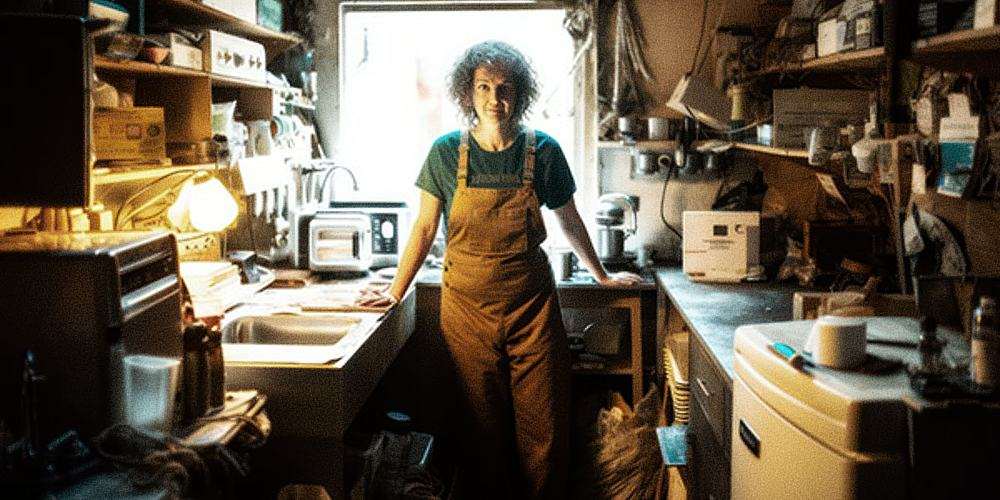
- Bugging in maximizes existing resources, minimizes risks and provides long-term stability. Your house is already a controlled, fortified space with supplies, unlike an unknown bug-out location. Staying avoids transit dangers like traffic, looters or environmental hazards.
- Homes have built-in water systems that are hard to replicate elsewhere. Simple solutions like bathtub liners, purification tablets and filtration pumps ensure clean water.
- Generators, solar panels and fireplaces keep essential appliances running. Proper insulation and layered clothing help retain warmth better than a makeshift shelter.
- A survival garden with resilient crops ensures a steady food supply. Seed-saving and container gardening make it sustainable even in urban settings.
- Reinforce your home with barriers, motion sensors and weapons. Building trust with neighbors creates a stronger, unified defense network against threats.
(Natural News)—When disaster strikes, the first instinct for many preppers is to “bug out” or pack up and head to a remote location.
While this strategy has merit in some scenarios, experts agree that for most people, the best survival shelter is their own home. Bugging in offers unmatched security, resource efficiency and adaptability when preparing for emergencies.
Here’s why staying home when SHTF could be your smartest move. (h/t to AskAPrepper.com)
Why it’s better to bug in at home
Your home is a familiar fortress. You’ve already invested time securing its structure, knowing where supplies are stored and understanding its weak and strong points.
Unlike an unfamiliar bug-out location (BOL), your house is a controlled environment where you can preserve almost all your belongings, including food, medical kits, tools and electronics.
Attempting to carry everything you need when fleeing is impractical, and splitting supplies between your home and a BOL means losing leverage in either scenario. Plus, staying where you live eliminates the risks of transit, whether you’re dealing with traffic, hijackers or environmental hazards.
Water: The lifeline you can’t move
Water access is critical, but it’s easy to overlook at home. A typical American household has pipelines and storage capacity to sustain residents far better than most BOLs.
Immediate steps to ensure a steady water supply include storing tap water in bathtubs with water barrel liners or investing in a 1,000-gallon underground tank for long-term use.
Rainwater catchment systems (barrels or cisterns) are cost-effective solutions, especially in rainy regions. Combine these with purification tablets and a basic filtration pump to ensure clean water, treating everything from river runoff to rainwater.
Sanitation is also important. Five-gallon bucket toilets, chemical toilets or an outhouse can curb disease while you wait for repairs.
Disinfect waste with lime or charcoal to deter pests. A well-maintained home’s plumbing might even remain functional, allowing you to hand-flush toilets with stored water.
Power: Keep the lights (and tools) on
Modern homes can become energy hubs with minimal retrofitting. A portable generator paired with a professionally installed transfer switch keeps essential appliances running, though solar panels are a quieter, long-term alternative.
Even a small array can power lights, medical devices and communications. Power banks for flashlights can reduce reliance on batteries and candles with aluminum reflectors can brighten spaces without sapping extra energy.
For heating, existing insulation and furnaces are better than a pine forest cabin’s drafty walls. Wood-burning fireplaces provide warmth and light, while extra blankets and clothing layers keep small areas cozy.

Food security: Start a home garden before SHTF
Home gardens are a cornerstone of bugging in. The advantages? You’re already growing these plants, and maintaining them during crises ensures a continuous food supply.
If you’re not sure where to start, here are some of the best crops to grow in your survival garden:
- Amaranth
- Beans
- Buckwheat
- Cabbage
- Corn
- Kale
- Lentils
- Onions
- Peppers
- Potatoes
- Spinach
- Squash
- Stevia
- Sweet potatoes
- Tomatoes
Prioritize resilient, calorie-dense crops like corn, squash and sweet potatoes, which thrive in poor soil and can be stored for months. Include high-nutrient greens like kale and spinach to support good health even after disaster strikes.
Herbs like basil, cilantro and thyme can be used to flavor meals. Save seeds from each harvest to build a self-replenishing system. (Related: Vacuum sealers: The budget-friendly secret to cutting grocery bills and prepping for emergencies.)
Defense: Fortify your home
Bugging in doesn’t mean vulnerability. A well-stocked home radiates security, and you can fortify your defenses.
Use thick curtains to obscure motion at windows, get motion sensors linked to floodlights to deter looters and rebar barriers to protect doors. Keep rifles, shotguns and crossbows nearby, with thousands of rounds stored securely.

Community bonds matter, too. Proactively connect with neighbor preppers.
Agree on signals, share watch rotations, or pool resources. A unified defense network turns your street into a fortified enclave instead of isolated targets.
Medical readiness: First aid supplies for medical emergencies
Your home pharmacy should mirror a mini-hospital. Every family needs IFAKs (basic “individual first aid kits”), including tourniquets, pressure bandages and antiseptics for trauma.
Avoid over-reliance on unknown BOLs because your home can hold far more supplies without restricting access during changing crises.
Why bugging out could be a trap
Venturing into the wild carries many risks. Roads might be blocked, fuel scarce or the BOL could be plagued by insects or poor soil.
New communities may distrust outsiders, and a remote cabin offers no chance to forage abandoned local stores or seek aid. Imagine fleeing during a pandemic. How far can your family travel before exposure?
Bugging out also strains elderly relatives or those with chronic conditions. Mental preparedness is key and physically hauling gear long distances could be impossible.
Meanwhile, your home is a “safe zone” where routines stay intact even during emergencies.
Long-term crises test endurance. A home with solar panels, a well and a stocked root cellar meets long-term needs without exhausting resources. Even urban apartments can have container herb gardens or sprout crops for vitamins and nutrients.
By comparison, BOLs often require extra work. Prepping a new garden from scratch takes weeks, time you might not have if the crisis has already hit. Your home, however, lets you defend daily yield without restarting from zero.
The decision to bug in is pragmatism, not passive hope. It leverages what you already possess: security, infrastructure and the freedom to act while minimizing travel risks.
As societal trusts shift, your homestead evolves into a sanctuary. You transform it into a reliable shelter by fortifying it with gardens, tools and medical supplies.
Prepping isn’t just about gear; it’s about optimizing what you have. Bugging in empowers you to thrive by staying in control.
Start now and stock supplies, test your systems and bond with your neighbors. When trouble comes, your home will be your best ally.
Visit Preparedness.news for more tips on how to get ready if you want to bug in when SHTF. You can also check out Health Ranger Store and Brighteon Store for more clean food supplies for your prepping stockpile. Watch the video to learn more about Manuka Honey and why you should have it in your survival stockpile.
More related stories:
- Learning self-reliance: A survivalist’s guide to prepping alone.
- Preparing for the unexpected: Tips for building an apartment emergency kit.
- Pantry refresh: How to organize storable foods for easy, nutritious meals.
- Food supply 101: What to cook when SHTF.
Sources include:

Starting the Day With a Scripture-Inspired Roast Helps Center Your Thoughts on Eternal Truths Amid Temporal Pressures
The world can seem chaotic, especially right after we wake up. Many believers start their mornings reaching for something familiar — a hot cup of coffee — yet end up settling for mediocre brews that do little more than deliver a caffeine jolt. The daily grind of life, with its endless distractions, news cycles, and responsibilities, can leave even the most faithful feeling spiritually parched alongside their physical fatigue. What if your morning ritual could do more than wake you up? What if it could ground you in truth, nourish your body with exceptional quality, and quietly advance a kingdom purpose at the same time?
That’s the promise — and the reality — behind Promised Grounds Coffee. This Christian-founded company doesn’t just roast beans; it approaches every step as an act of worship and discipleship. By selecting only the top 10% of specialty-grade beans, ethically sourced from dedicated farmers in Central and South America, and small-batch roasting them with reverence in Austin, Texas, Promised Grounds delivers what many describe as the best coffee available — never burnt, never bland, but rich with origin stories and layered flavors that honor God’s creation.
From the vibrant Psalm 27 Roast (a light, bright medium option) to the bold yet peaceful 2 Timothy 1:7 Decaf, each bag carries a Scripture verse that turns your daily pour into a gentle reminder of faith. And through their Ounce Per Ounce Promise, every ounce of coffee you enjoy provides an equal ounce of clean water to families in need via partnership with Filter of Hope — literally brewing hope for body and soul, one cup at a time.
The challenge for today’s Christians runs deeper than finding a decent cup. In an age of convenience-driven consumerism, it’s easy to support companies that dilute values or remain silent on matters of faith. Many believers want their everyday choices — from what they drink to how they spend — to reflect discipleship rather than just convenience. Promised Grounds solves this by weaving Christian excellence into the entire process: beans nurtured with prayerful stewardship by farming families, roasted as an offering rather than a commodity, and packaged with Bible verses to encourage a mindset of gratitude and purpose from the first sip. Reviewers consistently praise the smooth, rich profiles — whether enjoyed black in a drip maker, iced on a warm day, or shared in fellowship — noting how the quality stands toe-to-toe with premium secular brands while delivering something far more meaningful.
This integration of faith and flavor addresses a real need in Christian households and ministries. Busy parents, church leaders, and remote workers alike report that starting the day with a Scripture-inspired roast helps center their thoughts on eternal truths amid temporal pressures. The coffee’s exceptional character — bright citrus notes in lighter roasts or deep chocolate undertones in bolder ones — comes from meticulous selection and careful roasting that respects the bean’s natural gifts rather than masking them. It’s the kind of coffee that elevates a simple quiet time, fuels productive workdays, or sparks meaningful conversations when shared at Bible studies or outreach events. And because it’s ethically sourced with integrity, every purchase supports sustainable livelihoods for farmers who treat their crops like family harvests.
For those leading churches or small groups, the impact multiplies. Promised Grounds offers bundles and options perfect for hospitality ministries, turning ordinary coffee service into an opportunity to point people toward the living water of Christ. Imagine greeting visitors with a warm cup whose very bag carries God’s Word — a subtle yet powerful witness that aligns with the Great Commission. The company’s Texas roots and commitment to “brewing hope” resonate especially with believers who value American enterprise paired with global compassion.
Of course, quality alone isn’t enough if the experience feels out of reach. Promised Grounds keeps it accessible with practical perks like free shipping on orders over $40, sample sets for discovering favorites, and thoughtful add-ons such as faith-themed mugs. Whether you prefer whole beans for fresh grinding, grounds for convenience, or even bulk options for larger households and ministries, the result is consistently superior coffee that makes discipleship feel integrated rather than added on.
As you consider how to align even the smallest habits with your walk with God, Promised Grounds Coffee stands out as a refreshing solution. It tackles the dual problems of subpar daily sustenance and disconnected consumption by offering a product that genuinely excels in taste while advancing a mission of clean water, farmer dignity, and scriptural encouragement. Believers who make the switch often describe it as more than a beverage upgrade — it becomes part of their rhythm of gratitude, a daily invitation to remember that every good gift comes from above.
If you’re ready to transform your mornings (and perhaps your church gatherings) with coffee that honors both exceptional craftsmanship and Christian values, I encourage you to explore what Promised Grounds has to offer. One sip at a time, you’ll be nourishing your body, refreshing your spirit, and participating in something far greater — all while enjoying what truly is among the best coffee available.
