

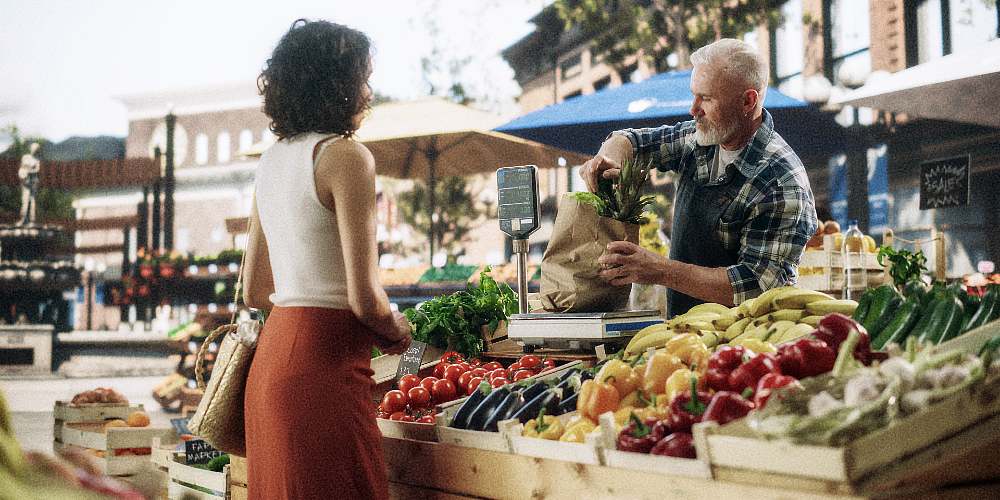
- The Weston A. Price Foundation’s 50% Campaign encourages consumers to buy at least 50% of their food directly from farmers and artisan processors to build a local food system, create food security, and ensure farmers’ prosperity
- Seventy percent of U.S. chickens are fed arsenic-containing feed, which can convert to inorganic arsenic in the meat, posing potential health risks to consumers. Soy isoflavones and antibiotics in industrial meat can also disrupt human health, with soy compounds acting like estrogen and antibiotics leading to resistance and gut flora disruption
- A 2019 study found 92% of conventional corn samples contaminated with mycotoxins, which can cause serious health issues in humans, including cancer and heart problems
- The drug ractopamine, used in pig farming to promote lean muscle growth, is banned in many countries due to safety concerns but is still widely used in the U.S.
- Consuming supermarket meat, eggs, and dairy products daily can lead to a high load of toxins, especially in children, making it crucial to purchase these foods directly from local, conscientious farmers who use pasture feeding and non-medicated feed
(Mercola)—Last year the Weston A. Price Foundation launched its 50% Campaign, urging consumers to purchase at least 50% of their food directly from farmers and artisan processors.
This helps build a local food system, creates food security and ensures prosperity for our farmers. But there are many other reasons to avoid industrial meat and obtain the animal products you need directly from a farmer you know.
Most Chickens Are Fed Arsenic-Containing Feed
ARSENIC: Did you know that 70% of chickens in the U.S. receive feed containing arsenic? The FDA allows an arsenic-based drug called nitarsone in chicken feed. Arsenic-containing compounds were first approved for commercial use in medicated animal feed in the 1940s in order to promote faster growth in poultry and increased feed efficiency — in other words, the chickens get fatter without eating as much.
The poultry industry claims that the arsenic fed to their birds has no adverse health effects on the consumer because the kind of arsenic used in feed additives is “organic” arsenic. However, recent studies have found that organic arsenic has the ability to convert to inorganic arsenic in animal tissue, the animal tissue that you eat.
Even if the arsenic remains in organic form, it may have the same effect on people that it has on chickens — causing them to gain weight even when eating less.1
Diseased Chickens Approved for Slaughter and Consumption
DISEASE: In July of 2020, the USDA accepted a petition from the National Chicken Council to allow slaughterhouses to process birds infected with avian leukosis. The infection causes a condition similar to cancer, leading to malignant tumors and lesions. Whether the condition can be passed on to humans is unclear, but eating diseased chicken does not seem like a good thing to do under any circumstances.2
MYCOTOXINS: A 2019 study of one thousand conventional corn samples found that 92% were contaminated with one or more mycotoxins. These fungal poisons can cause breathing problems, lung inflammation, fever and burning sensations, and serious conditions like cancer, fibromyalgia, heart problems, and lupus — and even mental deficiencies.
If they are in the animal feed, they’ll end up in the muscles of the animals. Make sure your farmer is using organic feed or, even better, avoiding corn altogether.3
Risky Drug Allowed in Pig Farming
RACTOPAMINE: This drug, mostly given to pigs, promotes lean muscle growth (at the expense of fat). Due to safety concerns, about one hundred sixty nations ban or restrict the use of this drug, including Russia, China and all countries in the European Union. But in the U.S., an estimated 60% to 80% of pigs receive ractopamine in their feed.
Ractopamine belongs to a class of drugs called beta-agonists, which were developed to treat asthma. The U.S. Food and Drug Administration (FDA) approved ractopamine for use on pigs after just one human health study — an evaluation of six young, healthy men, one of whom dropped out because his heart began racing and pounding abnormally.
In addition to cardiovascular effects, ractopamine has been linked behavioral changes, and nervousness in humans and pigs. Babies born to rats fed ractopamine developed cleft palates, protruding tongues, short limbs, missing digits, open eyelids and enlarged hearts. In pigs, ractopamine causes them to collapse and become “downers,” that is, animals too sick or injured to walk.4
Estrogenic Compounds and Antibiotics Show Up in Meat
SOY ISOFLAVONES: These estrogen-like compounds will show up in the meat, milk and eggs of animals fed soy — which means any animal raised in the industrial system. Best to find a farmer who uses no soy at all — but at least pasture feeding will reduce the amount of soy that animals like chickens, pigs and dairy cows receive. Pastured beef production requires neither corn nor soy.
ANTIBIOTICS: Livestock (cows, pigs, chicken and even fish) receive antibiotics, not only to treat or prevent illness, but also to encourage rapid growth. Of course, people ingest these drugs when they eat antibiotic-treated meat, eggs and milk, with the now well-known result of antibiotic resistance — not to mention disruption of gut flora.
Worldwide, an estimated 73% of antibiotics are consumed by farm animals; global antibiotic use is estimated to increase 67% from 2010 to 2030. Europe banned the use of antibiotics for growth promotion purposes in 2006, and the use of sub-therapeutic doses of medically important antibiotics in animal feed and water to promote growth and improve feed efficiency became illegal in the United States in 2017.5

However, use of antibiotics in animal feed is huge in developing countries, especially China, and since we don’t yet have Country of Origin (COO) labeling, it’s hard to avoid such antibiotic-laced products when you buy your animal foods in the supermarket. Federal law forbids the use of antibiotics in dairy cows, but the test used to detect antibiotics (called the SNAP test) only picks up about five of more than two dozen antibiotics in use.6
Toxic Load From Meat, Eggs and Dairy Can Be Quite High
Since in America we tend to eat animal foods every day, the load of toxins from supermarket meat, eggs and dairy products can be very high and the effects profound, especially in growing children.
The solution? Purchase your meat, eggs and dairy products directly from a local farmer, one who practices pasture feeding and who uses non-medicated feed (preferably soy-free). In the process of protecting your family, you will also be supporting independent, conscientious farmers and a robust local economy.
About the Author
Sally Fallon Morell is author of the best-selling cookbook “Nourishing Traditions” and many other books on diet and health. She is the founding president of the Weston A. Price Foundation (westonaprice.org) and a founder of A Campaign for Real Milk (realmilk.com). Visit her blog at nourishingtraditions.com.
- 1 PBS SoCal, October 9, 2013, FDA Finally Bans Most Arsenic in Chicken Feed — Oh, By the Way, There’s Arsenic in Your Chicken
- 2 Eat This, Not That! August 19, 2020, New USDA Ruling Allows for Chicken to Be Produced From Diseased Birds
- 3 Probio, Multiple Mycotoxins Detected in Corn Samples Collected From Five Continents (Archived)
- 4 Live Science, July 26, 2014, Banned in 160 Nations, Why is Ractopamine in U.S. Pork? (Op-Ed)
- 5 Wikipedia, Antibiotic use in livestock
- 6 afsca, Recent developments in antibiotics screening tests (Archived)

Starting the Day With a Scripture-Inspired Roast Helps Center Your Thoughts on Eternal Truths Amid Temporal Pressures
The world can seem chaotic, especially right after we wake up. Many believers start their mornings reaching for something familiar — a hot cup of coffee — yet end up settling for mediocre brews that do little more than deliver a caffeine jolt. The daily grind of life, with its endless distractions, news cycles, and responsibilities, can leave even the most faithful feeling spiritually parched alongside their physical fatigue. What if your morning ritual could do more than wake you up? What if it could ground you in truth, nourish your body with exceptional quality, and quietly advance a kingdom purpose at the same time?
That’s the promise — and the reality — behind Promised Grounds Coffee. This Christian-founded company doesn’t just roast beans; it approaches every step as an act of worship and discipleship. By selecting only the top 10% of specialty-grade beans, ethically sourced from dedicated farmers in Central and South America, and small-batch roasting them with reverence in Austin, Texas, Promised Grounds delivers what many describe as the best coffee available — never burnt, never bland, but rich with origin stories and layered flavors that honor God’s creation.
From the vibrant Psalm 27 Roast (a light, bright medium option) to the bold yet peaceful 2 Timothy 1:7 Decaf, each bag carries a Scripture verse that turns your daily pour into a gentle reminder of faith. And through their Ounce Per Ounce Promise, every ounce of coffee you enjoy provides an equal ounce of clean water to families in need via partnership with Filter of Hope — literally brewing hope for body and soul, one cup at a time.
The challenge for today’s Christians runs deeper than finding a decent cup. In an age of convenience-driven consumerism, it’s easy to support companies that dilute values or remain silent on matters of faith. Many believers want their everyday choices — from what they drink to how they spend — to reflect discipleship rather than just convenience. Promised Grounds solves this by weaving Christian excellence into the entire process: beans nurtured with prayerful stewardship by farming families, roasted as an offering rather than a commodity, and packaged with Bible verses to encourage a mindset of gratitude and purpose from the first sip. Reviewers consistently praise the smooth, rich profiles — whether enjoyed black in a drip maker, iced on a warm day, or shared in fellowship — noting how the quality stands toe-to-toe with premium secular brands while delivering something far more meaningful.
This integration of faith and flavor addresses a real need in Christian households and ministries. Busy parents, church leaders, and remote workers alike report that starting the day with a Scripture-inspired roast helps center their thoughts on eternal truths amid temporal pressures. The coffee’s exceptional character — bright citrus notes in lighter roasts or deep chocolate undertones in bolder ones — comes from meticulous selection and careful roasting that respects the bean’s natural gifts rather than masking them. It’s the kind of coffee that elevates a simple quiet time, fuels productive workdays, or sparks meaningful conversations when shared at Bible studies or outreach events. And because it’s ethically sourced with integrity, every purchase supports sustainable livelihoods for farmers who treat their crops like family harvests.
For those leading churches or small groups, the impact multiplies. Promised Grounds offers bundles and options perfect for hospitality ministries, turning ordinary coffee service into an opportunity to point people toward the living water of Christ. Imagine greeting visitors with a warm cup whose very bag carries God’s Word — a subtle yet powerful witness that aligns with the Great Commission. The company’s Texas roots and commitment to “brewing hope” resonate especially with believers who value American enterprise paired with global compassion.
Of course, quality alone isn’t enough if the experience feels out of reach. Promised Grounds keeps it accessible with practical perks like free shipping on orders over $40, sample sets for discovering favorites, and thoughtful add-ons such as faith-themed mugs. Whether you prefer whole beans for fresh grinding, grounds for convenience, or even bulk options for larger households and ministries, the result is consistently superior coffee that makes discipleship feel integrated rather than added on.
As you consider how to align even the smallest habits with your walk with God, Promised Grounds Coffee stands out as a refreshing solution. It tackles the dual problems of subpar daily sustenance and disconnected consumption by offering a product that genuinely excels in taste while advancing a mission of clean water, farmer dignity, and scriptural encouragement. Believers who make the switch often describe it as more than a beverage upgrade — it becomes part of their rhythm of gratitude, a daily invitation to remember that every good gift comes from above.
If you’re ready to transform your mornings (and perhaps your church gatherings) with coffee that honors both exceptional craftsmanship and Christian values, I encourage you to explore what Promised Grounds has to offer. One sip at a time, you’ll be nourishing your body, refreshing your spirit, and participating in something far greater — all while enjoying what truly is among the best coffee available.

That’s what I like too. I buy some groceries directly from the farmer. Mainly for wanting to give him the money for his produce.