

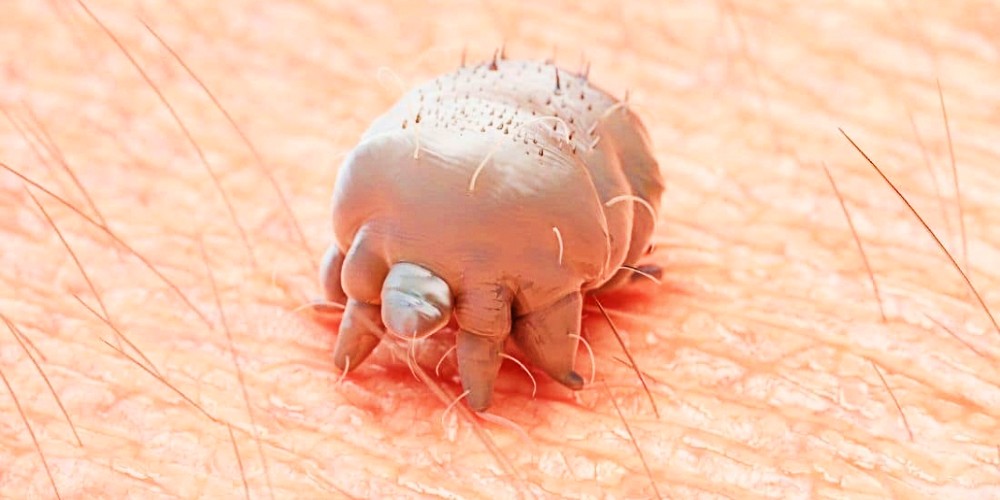
- Scabies, caused by the human itch mite, leads to intense itching, rash and potentially serious secondary infections
- Scabies has had a “continuously rising incidence worldwide in recent years”
- Cream made from permethrin, a pyrethroid insecticide, is one of the most often recommended scabies treatments, but treatment failures, including drug resistance, are common
- Two doses of ivermectin cleared scabies in 98% of those treated
- Ivermectin isn’t being used as a first-line scabies treatment as widely as it should be, due to its widespread vilification during the COVID-19 pandemic
(Mercola)—Scabies, caused by the human itch mite (Sarcoptes scabiei var. hominis), leads to intense itching and a skin rash. The highly contagious parasitic infestation is the result of the tiny mites burrowing into the skin and laying eggs.1 Long assumed to be a disease affecting those living in squalor, scabies is on the rise worldwide, including in developed countries.2
While the increasing prevalence of scabies is well-documented, the reasons behind it are less defined. But problems with treatment, including those stemming from the vilification of ivermectin during the COVID-19 pandemic, may be involved.
Cases of Scabies on the Rise Globally
A systemic literature review published in the Journal of the European Academy of Dermatology and Venereology noted scabies has had a “continuously rising incidence worldwide in recent years.” Most of the 43 studies reviewed included data for medium or low human development index countries. Among children and adults, the highest prevalence of scabies was 71%, detected in Ghana.
When only children were included, an Indonesian boarding school recorded the highest prevalence, at 76.9%. “[S]cabies is still a serious, increasing disease that occurs globally and is clustered in developing countries,” according to the researchers.3 Data from Germany, France, Norway, Croatia and other countries have also documented an increase in observed scabies cases over the last 10 to 20 years.4
Worldwide, more than 200 million people suffer from scabies at any given time, but cumulatively this rises to more than 400 million people annually.5 Cases are also surging across Europe, including in the U.K. Wired reported:6
“Kamila Hawthorne, chair of the UK’s Royal College of GPs, told WIRED that weekly incidences per 100,000 for the north of England continue to be well above the national and five-year average. Their most recent surveillance reports detailed 1,926 cases across the country between early December and January.
The UK’s surge of cases is part of a wider, longer trend. Scabies cases have been rising consistently across Europe and around the globe for a decade.”
How Does Scabies Spread — and What Are the Risks?
Scabies spreads through close, person-to-person contact. This can occur through sexual activity as well as in areas where people spend time in close quarters, such as nursing homes, prisons and child day cares. While prolonged, skin-to-skin contact is usually required to spread the infestation, it may also spread indirectly via shared clothing, towels or bedding, albeit this is less common.7
In most cases, only 10 to 15 mites infect an individual, but they burrow into the skin where the females lay eggs.8 After three to four days, the eggs hatch, growing into adult mites in one to two weeks. Symptoms typically don’t occur for four to six weeks after infestation in those who have never had scabies before and are the result of an allergic reaction to the mite proteins and feces in the burrows. Symptoms include:9
- Severe itching that’s often worse at night
- Skin rash
- Burrow lines on the skin, which may appear as thin, skin-colored lines or tunnels
- Small bumps on the skin
In people with suppressed immune systems, crusted, or Norwegian, scabies may occur. This type of infestation may involve millions of mites and leas to scaly patches on the skin, but often no itching. Crusted scabies spreads very easily, including via clothing and furniture, and can cause secondary infections, making it potentially life-threatening.10
However, even typical scabies infestations may lead to bacterial infection, skin infection, impetigo and even septicemia. One hospital in Australia recorded a 30-day mortality rate of 2.5% for those admitted with severe or crusted scabies.11 According to a report in Faculty Reviews:12
“Secondary bacterial skin infection with Streptococcus pyogenes can lead to septicemia and immune-mediated disease, such as acute post-streptococcal glomerulonephritis (APSGN) and acute rheumatic fever. Scabies-related septicemia carries a substantial mortality rate.
Scabies mites release complement inhibitors into the epidermis, which is thought to potentiate streptococcal and staphylococcal infections, ranging from the clinical entities of impetigo to cellulitis, abscesses, necrotizing fasciitis, and finally septicemia.”
Kidney disease and rheumatic heart disease have also been associated with scabies skin infections.13 Michael Head, a senior research fellow in global health at the University of Southampton in the U.K., told Wired, “There’s some links to the cardiac and renal systems. Not fully understood, but it does look like they are genuine, occasional secondary consequences of an initial scabies infection.”14
Treatment Failures, Drug Resistance Blamed for Some Scabies Spread
Due to treatment failures, treatment shortages and delays in getting treatment — often due to the stigma surrounding the disease15 — scabies is often left to continue unchecked, leading to further spread. Cream made from permethrin, a pyrethroid insecticide, is one of the most common scabies treatments.
Made from synthetic chemicals derived from natural chemicals found in chrysanthemums, animal studies suggest pyrethroids cause neurological, immune and reproductive damage while Canadian research suggests pyrethroids may be associated with behavior problems in children.
A tenfold increase in urinary levels of one specific pyrethroid breakdown product doubled the child’s risk of scoring high for parent-reported behavioral problems, such as inattention and hyperactivity, in one study.16 Aside from the health risks, drug resistance is also a problem, according to research published in Life (Basel).17
“There has been an increasing trend in drug-resistant scabies — which is the result of long-term use or overdosing of scabicides, resulting in prolonged treatment procedures, repeated visits to healthcare providers, high healthcare costs, and social stigmatization for an ever-greater number of patients,” researchers explained.18

Permethrin cream is also challenging to use and often fails to get rid of the infestation. Jo Middleton, a research fellow at Brighton and Sussex Medical School, told Wired:19
“[I]t’s very difficult to put on. You have to cover your whole body, leave it on for 12 hours without washing it off, and then you have to do it again seven days later. The reality is that we see a lot of failure, where people put on this medication and end up continuing to have scabies and infecting other people, because the application is so difficult.”
In a study of scabies treated with permethrin or other drugs, including ivermectin, crotamiton, benzyl benzoate, malathion, sulfur or lindane, the overall prevalence of treatment failure was 15.2% — but this rose to 26.9% in the Western Pacific region. Further, permethrin treatment failure prevalence increased by 0.58% per year. According to the study, published in the British Journal of Dermatology:20
“The increase in treatment failure over time hints at decreasing mite susceptibility for several drugs, but reasons for failure are rarely assessed. Ideally, scabicide susceptibility testing should be implemented in future studies.”
Two Doses of Ivermectin Eliminate Scabies 98% of the Time
Ivermectin is a widely used antiparasitic drug that’s listed on the World Health Organization’s essential medicines list21 and approved by the U.S. Food and Drug Administration.
In low- and middle-income countries, ivermectin is commonly used to treat parasitic diseases including onchocerciasis (river blindness), strongyloidiasis and other diseases caused by soil-transmitted helminthiasis, or parasitic worms.22 The drug is also used to treat scabies and lice, with great effectiveness.
“As Sarcoptes scabiei is becoming less sensitive to permethrin, clinicians have started to prescribe oral ivermectin (OI) as a first-line treatment,” researchers explained in Clinical and Experimental Dermatology. “Guidelines suggest OI 200 µg kg–1 as two doses, 1 week apart.”23 They conducted a study comparing a single dose of ivermectin with two doses and found the two-dose regimen cleared scabies in 98% of those treated.
In comparison, a single dose of ivermectin successfully cleared scabies in 58% of patients.24 “This study confirms that the absence of a second intake of OI is one of the main predictors of treatment failure (P < 0.001), which may also increase the likelihood of emerging resistance in S. scabiei,” the scientists explained,25 stressing the importance of the double dosage.

Yet, even with a close to 100% effectiveness rate, ivermectin isn’t being used as a first-line scabies treatment as widely as it should be, due to its widespread vilification during the COVID-19 pandemic. Since 1987, 3.7 billion doses of ivermectin have been used among humans worldwide.26
Further, the total doses of ivermectin distributed equals one-third of the world’s population, and it’s “considered extremely safe for use in humans.”27 Ivermectin even has antiviral and anti-inflammatory properties, widening its potential scope of use.
But when Dr. Pierre Kory, who is part of the group that formed the Front Line COVID-19 Critical Care Working Group (FLCCC), pleaded with the U.S. government early on in the pandemic to review the expansive data on ivermectin to prevent COVID-19, keep those with early symptoms from progressing and help critically ill patients recover — he was met with backlash.28,29
The campaign against ivermectin only continued to grow from there, with health care professionals who dared to recommend it ridiculed, threatened and denied the ability to use ivermectin to treat COVID-19. This stigma has persisted to keep ivermectin out of the hands of those who need it to treat scabies. According to Wired:30
“In the global south, scabies is managed effectively through an oral medication, a powerful antiparasitic called ivermectin … Yet ivermectin is not routinely used to treat scabies in the UK, something that researchers attribute to the repeated false claims regarding its potential uses for treating COVID-19.
At one point endorsed by former US president Donald Trump, ivermectin’s supposed usefulness against the SARS-CoV-2 virus was never backed up with reliable evidence, and Middleton believes this is sadly now inhibiting its use in conditions where it is proven to work.
‘Some people were claiming that it had efficacy against COVID,’ he says. ‘To try and control that you had other people describing it as horse paste, because it is — like a lot of human medicines — also a veterinary drug. That then gave it a kind of bad reputation. But we are hoping it will be used more against scabies.’”
For the record, not only did ivermectin work against COVID-19, it was remarkably effective, resulting in a 74% reduction in excess deaths in the 10 states where it was used most intensively.31 It’s possible that it holds a solution for the worldwide scabies problem as well.
- 1, 5, 8, 9, 10, 13 World Health Organization, Scabies
- 2, 3 J Eur Acad Dermatol Venereol. 2023 Sep;37(9):1749-1757. doi: 10.1111/jdv.19167. Epub 2023 May 16
- 4, 17, 18 Life (Basel). 2022 Oct; 12(10): 1598 (Archived)
- 6, 14, 15, 19, 30 Wired January 17, 2024 (Archived)
- 7 U.S. CDC, Scabies Frequently Asked Questions (FAQs)
- 11, 12 Fac Rev. 2021; 10: 28
- 16 Environmental Health Perspectives DOI: 10.1289/ehp.1306667
- 20 British Journal of Dermatology, Volume 190, Issue 2, February 2024, Pages 163–173
- 21, 22 WHO March 31, 2021
- 23, 24, 25 Clinical and Experimental Dermatology, Volume 48, Issue 11, November 2023, Page 1307
- 26 Cureus August 8, 2023, Introduction
- 27 American Journal of Therapeutics: July/August 2021 – Volume 28 – Issue 4 – p e434-e460, Intro
- 28 FLCCC Alliance, Ivermectin & COVID-19
- 29 Mountain Home May 1, 2021
- 31 WND August 19, 2023

Two Storms, One Harvest

Every food crisis in living memory has been a one-shock event. The 2008 price spike was a commodity bubble. The 2020 shortages were a logistics failure. The 2022 grain scare was a war on one exporter’s ports. Each time, the system bent, adjusted, and recovered, and each time the experts assured us afterward that global markets are simply too big and too diversified to fail.
What nobody in Washington seems eager to discuss is that 2026 is shaping up to be something the modern food system has never actually faced. Two independent shocks, one climatic and one geopolitical, are converging on the same harvest cycle at the same time. Not sequentially. Simultaneously.
Start with the weather. The Pacific Ocean is currently building toward what forecasters now openly call a record event. NOAA’s Climate Prediction Center puts the odds of at least a strong El Niño near 88 percent, with roughly two in three odds it reaches “very strong” status, the tier reserved for perhaps three or four events in the entire satellite era. Every major global model now projects a median peak in Super El Niño territory, and most of them project it exceeding the 2015-16 event, which until now held the modern record. Sea surface anomalies were already brushing the super threshold in mid-July, months before these events normally peak. The atmosphere has already shifted into El Niño mode, and the event is forecast to crest in late fall and early winter.
This is not about “climate change.” It’s about the standard cycles of weather, and the cycle we’re currently in is one that has likely devastated societies in the past. We’re better prepared as a society today, but not all Americans are equally prepared.
Serious households have started doing the quiet math on their own. Grocery bills tell part of the story, and the forecast maps tell the rest, which is why long-term food storage has moved from fringe hobby to mainstream line item in the family budget, with established suppliers like Heaven’s Harvest seeing demand from people who five years ago would have rolled their eyes at the idea. That instinct is not paranoia. It is pattern recognition, and the pattern is worth walking through carefully.
Editor’s Note: Heaven’s Harvest IS a sponsor, but the warnings of this article are real and would be written even if we didn’t have a survival food sponsor. With that said, those who take advantage of what they offer can use promo code “Patriot” for 15% off.
The Fertilizer Clock Is Already Running
While the Pacific warms, the second shock has been unfolding in the Strait of Hormuz. The conflict with Iran turned the world’s most important energy chokepoint into a contested waterway, and the consequences reach far beyond the gas pump. Roughly a third of global fertilizer trade moves through Hormuz, and the disruption sent urea prices up 86 percent year over year by March, with a 53 percent jump in a single month.
The World Bank projects energy prices rising about 24 percent in 2026 and fertilizer about 31 percent. By its own accounting, fertilizer prices ran 35 percent higher in the first five months of this year than the same period last year.
Here is the mechanism the nightly news will not explain. Fertilizer is not a grocery item. It is a time-delayed input. The nitrogen a farmer in Iowa or Punjab could not afford to apply this spring does not show up as a problem this spring. It shows up as a thinner harvest six to twelve months later.
The World Bank’s own food security brief concedes that the effects of reduced applications earlier this season “are likely to become visible only later in harvest outcomes.” Translate that from institutional language into plain English and it means this. The damage is already done, it is already in the ground, and we are simply waiting for it to arrive on the shelf.
Now check the calendar. Six to twelve months from the spring planting season lands us squarely in late 2026 and early 2027. Which is precisely when the strongest El Niño in the instrumental record is forecast to peak, bringing its signature droughts to Southeast Asia, Australia, southern Africa, northern Brazil, and South Asia, the very regions that grow the world’s rice, sugar, and oilseeds.
The World Bank warns openly that a strong El Niño “could disrupt multiple crop belts simultaneously” on top of the conflict-driven input costs. Their baseline projection assumes the Middle East disruptions ease by autumn. What in the last two years of Middle East history suggests that assumption is safe?
The System Has No Slack Left
The comfortable answer is that global markets always adjust. But adjustment requires slack, and the slack is gone. Global cereal production is expected to decline from last year’s records even before El Niño does its work. The UN World Food Programme, hardly a den of right-wing preppers, is calling this the most significant disruption to its supply chains since Covid and the invasion of Ukraine, and its supply chain director put the stakes bluntly.
Today’s supply chain challenges are tomorrow’s hunger crisis.
There is also a political dimension that markets cannot price. When food gets scarce, governments do not behave like economists. They behave like politicians. Export bans, hoarding mandates, and panic buying at the national level turned the modest rice shortfall of 2008 into a global crisis, and analysts are already warning that import-dependent nations are the first dominoes.
The 2015-16 Super El Niño, a far weaker event than what is now forecast, threw tens of millions into food stress across Africa and Asia. This one is projected to be stronger, and it arrives with fertilizer already rationed by price and shipping lanes already contested by missiles.
What Joseph Knew
Scripture does not treat preparation for lean years as faithlessness. It treats it as wisdom delivered in advance to those willing to act on it.
Behold, there come seven years of great plenty throughout all the land of Egypt: And there shall arise after them seven years of famine; and all the plenty shall be forgotten in the land of Egypt.
Joseph did not respond to that warning with a hashtag or a committee. He stored grain during the years of abundance, and when the famine came, Egypt stood while its neighbors begged. The lesson is not that famine is certain. It is that the time to prepare is precisely when preparation still looks optional.
Nobody who filled a pantry in a year of plenty has ever regretted it, and nobody standing in an empty aisle has ever been glad he waited for certainty.
None of this calls for panic, and panic is the enemy of sound judgment anyway. It calls for the same unglamorous prudence our grandparents considered ordinary. Keep some cash margin, know your local growers, and put real food in deep storage while it is cheap and available, because the entire arc of this story is that cheap and available is a closing window.
Families looking for a straightforward place to start can visit Heaven’s Harvest and use promo code Patriot for 15 percent off long-term storable food. The forecasts may yet soften, the strait may yet reopen, and we should pray they do. But hope is a fine thing to hold and a foolish thing to eat.
