

Survival scenarios during winter may be dangerous because you’re not just dealing with things like a power outage, you also have to face various factors like freezing temperatures.
If you’re worried about how you’re going to keep your family warm during a power outage, invest in a wood-burning stove or get a kerosene heater and stock up on fuel before SHTF. (h/t to SurvivalCache.com)
The survival “Rule of Threes”
Beginner preppers often start their prepping journey by learning about the “Rule of Threes.” According to the Rule of Threes, you can survive:
- Three minutes without air
- Three hours without shelter
- Three days without water
- Three weeks without food
The timeframes for these rules are not absolute, but if you’re confused, the order of the rules will help you prioritize your needs. The version of the rule above is more about temperature regulation than shelter.
When SHTF, remember that you can only survive for three hours “without maintaining core body temperature.” Lengthy exposure to the cold will eventually use up your body’s stored energy, which can cause your body temperature to rapidly decrease, leading to hypothermia.
Signs and symptoms of hypothermia include:
- Clumsiness or lack of coordination
- Confusion or memory loss
- Drowsiness or very low energy
- Loss of consciousness
- Shivering
- Slow, shallow breathing
- Slurred speech or mumbling
- Weak pulse
Safety tips when using alternative heat sources
Before you start deciding which alternative method to use to stay warm during a power outage, follow the tips below to avoid accidents when SHTF.
Avoid sweating
If possible, avoid hard physical labor that can make you sweat in cold weather. This is dangerous because sweating in cold conditions may be deadly.
Carbon monoxide poisoning
Carbon monoxide (CO) poisoning occurs when you burn biomass and fuels without proper ventilation. Exposure to CO can cause unconsciousness and even death.
Make sure you only burn fuel or gas in a well-ventilated area or room to prevent CO poisoning. You should also have battery-operated carbon monoxide detectors in your home that are functioning properly.
Fire safety
When using certain heat sources, there may be a risk for an uncontrolled fire to break out. Always prioritize fire safety when using a heat source like space heaters or a non-electric heater.
This means:
- Making sure the heat source can’t fall over.
- Keeping all flammable materials away from the heat.
- Knowing where you store fuel in relation to the heater.
- Having several methods for extinguishing an uncontrolled fire, like fire extinguishers.
Make sure rooms are properly ventilated
Make sure the area is well-ventilated when sheltering in closed spaces.
Even in cold weather, you can’t completely seal yourself off because you need a source of fresh air. If you’re closing the hatch when the temperatures drop, leave a window cracked open.

Alternative heat sources to use during a power outage
Before SHTF, consider some of the options detailed below so you can stay warm even when there’s a power outage.
Alcohol heater
An alcohol heater is usually small and lightweight, and can burn different fuels, making it a great emergency heating source. Additionally, alcohol is a relatively cheap and available fuel that you can buy from most big box stores or hardware stores.
You can use different types of alcohol with this kind of stove, but it’s best to use denatured alcohol because it burns the cleanest, making it safer to use indoors. Be careful with an alcohol stove since it produces flames that are nearly invisible.
Body heat
This emergency heat source has two variations.
- Using the body heat of other people is an effective way to stay warm. The best way to do this is to have your family get as close as possible and cover yourselves with an insulating layer like a blanket in one room.
- You can also use the body heat of animals when SHTF. Certain animals, like dogs, have an internal temperature that runs a little higher than humans. This means humans generally have a temperature of 98.6 F while a dog’s normal temperature can be several degrees above that. If the power goes out and you feel cold, cuddle with your pet dog or other friendly domesticated animals to stay warm.
Clothing
Wearing weather-appropriate clothing is crucial because your body is your primary source of heat. If the weather is cold, avoid wearing cotton. Once cotton gets wet, it loses its insulating ability.
Choose wool, which can be a bit expensive but is very durable. Even if wool clothing gets wet, its ability to insulate remains very high.
Wear wool socks to stay warm and put on a pair of gloves, a scarf and a hat. Covering these body parts will help prevent heat loss.
Wear several layers. You can peel off layers if it starts to feel warm.
Exercise
When SHTF and you lose all access to any kind of heat source, you can still stay warm with exercise since it is a great way to increase your body temperature.
While sweating in cold temperatures should be avoided, there is a trick to exercising to stay warm. Don’t exert yourself for long periods like you would during a normal exercise session since this will make you sweat.
Instead, work large muscle groups slowly, take a break, then repeat the process. Squats and pushups are good options because they target large muscle groups.
Electric heaters
Electric space heaters use electricity to heat internal coils, which provides radiant heat. Note that if you want to use electric space heaters, you also need a backup power supply.
This device requires a lot of energy to operate, so you need something more powerful than small-scale solar and wind systems. Get small or whole-home generators instead.
Fireplace
Many homes have a fireplace that is perfect for staying warm even without electricity. But most fireplaces aren’t efficient because most of the heat goes up and out the chimney flue.
If you don’t have another option, use a fireplace to stay warm.
Hand warmers
Hand warmers are a quick and easy way to keep parts of your body warm.
There are two different kinds of hand warmers: non-electric and electric.
Non-electric heaters come in a packet and consist of a chemical mixture that generates heat when activated. These types of hand warmers are cheap and you can easily find them at sporting goods stores, big box stores or hardware stores.
Electric heaters are little devices that can be used to charge other devices or as a hand warmer. If you don’t have electricity, you will need an alternative power source to charge it, like a generator or solar panels.
Kerosene heater
A kerosene heater needs kerosene as a liquid fuel. When ignited, kerosene produces an open flame enclosed within the frame of the heater.
Due to the nature of the fuel being used and the open flame, some kerosene heaters have an accidental tip over shutoff mechanism. This safety feature will extinguish the flame if the heater becomes unstable to prevent an uncontrolled fire. (Related: Survival tips: How to live without electricity like the Amish.)
Outdoor fire
Outdoor fires can help a large group stay warm, but the downside is a lot of the warm air from the fire itself is lost to the surrounding area.
To create a better heating system, set up a heat reflector around the fire by building a small wooden fence. This will help radiate some of the heat back to you.
Pellet stoves
Pellet stoves are similar to wood stoves, but the former are usually smaller and can be more expensive. But pellet stoves burn quite clean, work efficiently and generate a lot of heat.
Instead of firewood, you only need recycled sawdust and wood compressed into small pellets.
Propane heater
A propane heater can provide heat during an outage and they are portable like a traditional space heater. Propane heaters typically use small bottles of propane that attach right to the heater.
Rocket mass heater
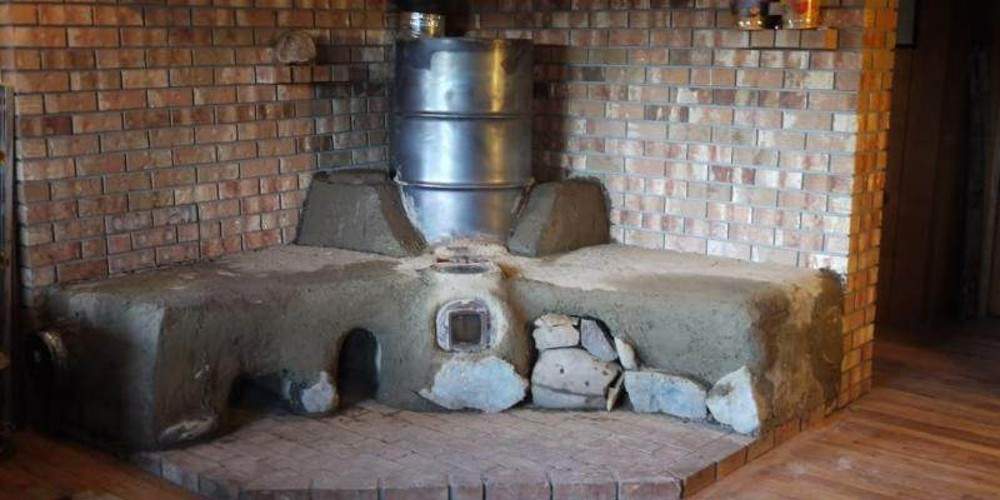
A rocket mass heater is a type of rocket stove that operates similarly to a rocket stove but on a larger scale. Pair a rocket mass heater with a ventilation system for a very effective indoor heater.
Tea candles
Even small candles are effective at warming small spaces if you don’t have other heat sources.
While you can use several tea candles to keep an average-sized room warm, you shouldn’t use this method if you are going to sleep. It’s much safer to heat a room with candles using several clay pots.
Wood-burning stove
Unlike a fireplace, where most of the heat is lost through the chimney, wood-burning stoves contain the entire fire, allowing them to retain heat in the room more effectively.
If it has a flat surface on top, you can also use a wood-burning stove for cooking food or boiling water. However, a wood-burning stove will also require firewood.
Before disaster strikes during winter, choose a method that doesn’t rely on the grid so you can keep your family warm even during a power outage. Always exercise caution when using heating devices with open flames.
Watch the video below for tips on how to charge solar batteries using a generator.
This video is from the Solar Surge channel on Brighteon.com.
More related stories:
- Survival essentials: 9 Stealthy ways to cook after SHTF.
- Prepper must-haves: What to stock up on before a summer or winter power outage.
- Emergency preparedness: 10 Ways to heat your home after SHTF.
Sources include:

Starting the Day With a Scripture-Inspired Roast Helps Center Your Thoughts on Eternal Truths Amid Temporal Pressures
The world can seem chaotic, especially right after we wake up. Many believers start their mornings reaching for something familiar — a hot cup of coffee — yet end up settling for mediocre brews that do little more than deliver a caffeine jolt. The daily grind of life, with its endless distractions, news cycles, and responsibilities, can leave even the most faithful feeling spiritually parched alongside their physical fatigue. What if your morning ritual could do more than wake you up? What if it could ground you in truth, nourish your body with exceptional quality, and quietly advance a kingdom purpose at the same time?
That’s the promise — and the reality — behind Promised Grounds Coffee. This Christian-founded company doesn’t just roast beans; it approaches every step as an act of worship and discipleship. By selecting only the top 10% of specialty-grade beans, ethically sourced from dedicated farmers in Central and South America, and small-batch roasting them with reverence in Austin, Texas, Promised Grounds delivers what many describe as the best coffee available — never burnt, never bland, but rich with origin stories and layered flavors that honor God’s creation.
From the vibrant Psalm 27 Roast (a light, bright medium option) to the bold yet peaceful 2 Timothy 1:7 Decaf, each bag carries a Scripture verse that turns your daily pour into a gentle reminder of faith. And through their Ounce Per Ounce Promise, every ounce of coffee you enjoy provides an equal ounce of clean water to families in need via partnership with Filter of Hope — literally brewing hope for body and soul, one cup at a time.
The challenge for today’s Christians runs deeper than finding a decent cup. In an age of convenience-driven consumerism, it’s easy to support companies that dilute values or remain silent on matters of faith. Many believers want their everyday choices — from what they drink to how they spend — to reflect discipleship rather than just convenience. Promised Grounds solves this by weaving Christian excellence into the entire process: beans nurtured with prayerful stewardship by farming families, roasted as an offering rather than a commodity, and packaged with Bible verses to encourage a mindset of gratitude and purpose from the first sip. Reviewers consistently praise the smooth, rich profiles — whether enjoyed black in a drip maker, iced on a warm day, or shared in fellowship — noting how the quality stands toe-to-toe with premium secular brands while delivering something far more meaningful.
This integration of faith and flavor addresses a real need in Christian households and ministries. Busy parents, church leaders, and remote workers alike report that starting the day with a Scripture-inspired roast helps center their thoughts on eternal truths amid temporal pressures. The coffee’s exceptional character — bright citrus notes in lighter roasts or deep chocolate undertones in bolder ones — comes from meticulous selection and careful roasting that respects the bean’s natural gifts rather than masking them. It’s the kind of coffee that elevates a simple quiet time, fuels productive workdays, or sparks meaningful conversations when shared at Bible studies or outreach events. And because it’s ethically sourced with integrity, every purchase supports sustainable livelihoods for farmers who treat their crops like family harvests.
For those leading churches or small groups, the impact multiplies. Promised Grounds offers bundles and options perfect for hospitality ministries, turning ordinary coffee service into an opportunity to point people toward the living water of Christ. Imagine greeting visitors with a warm cup whose very bag carries God’s Word — a subtle yet powerful witness that aligns with the Great Commission. The company’s Texas roots and commitment to “brewing hope” resonate especially with believers who value American enterprise paired with global compassion.
Of course, quality alone isn’t enough if the experience feels out of reach. Promised Grounds keeps it accessible with practical perks like free shipping on orders over $40, sample sets for discovering favorites, and thoughtful add-ons such as faith-themed mugs. Whether you prefer whole beans for fresh grinding, grounds for convenience, or even bulk options for larger households and ministries, the result is consistently superior coffee that makes discipleship feel integrated rather than added on.
As you consider how to align even the smallest habits with your walk with God, Promised Grounds Coffee stands out as a refreshing solution. It tackles the dual problems of subpar daily sustenance and disconnected consumption by offering a product that genuinely excels in taste while advancing a mission of clean water, farmer dignity, and scriptural encouragement. Believers who make the switch often describe it as more than a beverage upgrade — it becomes part of their rhythm of gratitude, a daily invitation to remember that every good gift comes from above.
If you’re ready to transform your mornings (and perhaps your church gatherings) with coffee that honors both exceptional craftsmanship and Christian values, I encourage you to explore what Promised Grounds has to offer. One sip at a time, you’ll be nourishing your body, refreshing your spirit, and participating in something far greater — all while enjoying what truly is among the best coffee available.
