

STORY AT-A-GLANCE
- While many have bought into the simplistic idea that availability of firearms is the cause of mass shootings, a number of experts have pointed out a more uncomfortable truth, which is that mass shootings are far more likely the result of how we’ve been mistreating mental illness, depression and behavioral problems
- Gun control legislation has shown that law-abiding Americans who own guns are not the problem, because the more gun control laws that have been passed, the more mass shootings have occurred
- 97.8% of mass shootings occur in “gun-free zones,” as the perpetrators know legally armed citizens won’t be there to stop them
- Depression per se rarely results in violence. Only after antidepressants became commonplace did mass shootings really take off, and many mass shooters have been shown to be on antidepressants
- Antidepressants, especially selective serotonin reuptake inhibitors (SSRIs), are well-known for their ability to cause suicidal and homicidal ideation and violence
While many have bought into the simplistic idea that availability of firearms is the cause of mass shootings, a number of experts have pointed out a more uncomfortable truth, which is that mass shootings are far more likely the result of how we’ve been mistreating mental illness, depression and behavioral problems.
An article written by Molly Carter, initially published on ammo.com at an unknown date1 and subsequently republished by The Libertarian Institute in May 2019,2 and psychreg.org in late January 2021,3 noted:
“According to the Federal Bureau of Investigation (FBI), a mass murder occurs when at least four people are murdered, not including the shooter … during a single incident …
Seemingly every time a mass shooting occurs … the anti-gun media and politicians have a knee-jerk response — they blame the tragedy solely on the tool used, namely firearms, and focus all of their proposed ‘solutions’ on more laws, ignoring that the murderer already broke numerous laws when they committed their atrocity.
Facts matter when addressing such an emotionally charged topic, and more gun control legislation has shown that law-abiding Americans who own guns are NOT the problem. Consider the following: The more gun control laws that are passed, the more mass murders have occurred.
Whether or not this is correlation or causation is debatable. What is not debatable is that this sick phenomenon of mass murderers targeting ‘gun-free zones,’ where they know civilian carry isn’t available to law-abiding Americans, is happening.
According to the Crime Prevention Research Center,4 97.8% of public shootings occur in ‘gun-free zones’ – and ‘gun-free zones’ are the epitome of the core philosophical tenet of gun control, that laws are all the defense one needs against violence …
This debate leads them away from the elephant in the room and one of the real issues behind mass shootings — mental health and prescription drugs.
Ignoring what’s going on in the heads of these psychopaths not only allows mass shootings to continue, it leads to misguided gun control laws that violate the Second Amendment and negate the rights of law-abiding U.S. citizens.
As Jeff Snyder put it in The Washington Times: ‘But to ban guns because criminals use them is to tell the innocent and law-abiding that their rights and liberties depend not on their own conduct, but on the conduct of the guilty and the lawless, and that the law will permit them to have only such rights and liberties as the lawless will allow.’”
The Elephant in the Room: Antidepressants
Thoughts, emotions and a variety of environmental factors play into the manifestation of violence, but mental illness by itself cannot account for the massive rise in mass murder — unless you include antidepressants in the equation. Yet even when mental health does enter the mass shooter discussion, the issue of antidepressants, specifically, is rarely mentioned.
The fact is, depression per se rarely results in violence. Only after antidepressants became commonplace did mass shootings take off, and many mass shooters have been shown to be on antidepressants.
Prozac, released in 1987, was the first selective serotonin reuptake inhibitor (SSRI) to be approved for depression and anxiety. Only two years earlier, direct-to-consumer advertising had been legalized. In the mid-1990s, the Food and Drug Administration loosened regulations, direct-to-consumer ads for SSRIs exploded and, with it, prescriptions for SSRIs.
In 1989, just two years after Prozac came to market, Joseph Wesbecker shot 20 of his coworkers, killing nine. He had been on Prozac for one month, and the survivors of the drug-induced attack sued Eli Lilly, the maker of Prozac. Since then, antidepressant use and mass shootings have both risen, more or less in tandem.
In the two decades between 1988 and 2008, antidepressant use in the U.S. rose by 400%,5 and by 2010, 11% of the U.S. population over the age of 12 were on an antidepressant prescription.6
In 1982, pre-Prozac, there was one mass shooting in the U.S.7 In 1984, there were two incidents and in 1986 — the year Prozac was released — there was one. One to three mass shootings per year remained the norm up until 1999, when it jumped to five.
Another jump took place in 2012, when there were seven mass shootings. And while the annual count has gone up and down from year to year, there’s been a clear trend of an increased number of mass shootings post-2012. Over time, mass shootings have also gotten larger, with more people getting injured or killed per incident.8
How can we possibly ignore the connection between rampant use of drugs known to directly cause violent behavior and the rise in mass shootings? Suicidal ideation, violence and homicidal ideation are all known side effects of these drugs. Sometimes, the drugs disrupt brain function so dramatically the perpetrator can’t even remember what they did.
For example, in 2001, a 16-year-old high schooler was prescribed Effexor, starting off at 40 milligrams and moving up to 300 mg over the course of three weeks. On the first day of taking a 300-mg dose, the boy woke up with a headache, decided to skip school and went back to bed.
Some time later, he got up, took a rifle to his high school and held 23 classmates hostage at gunpoint. He later claimed he had no recollection of anything that happened after he went back to bed that morning.9
The Risks Are Clear
The risks of psychiatric disturbances are so clear, ever since mid-October 2004, all antidepressants in the U.S. must include a black box warning that the drug can cause suicidal thoughts and behaviors, especially in those younger than 25, and that:10

“Anxiety, agitation, panic attacks, insomnia, irritability, hostility (aggressiveness), impulsivity, akathisia (psychomotor restlessness), hypomania, and mania have been reported in adult and pediatric patients being treated with antidepressants for major depressive disorder as well as for other indications, both psychiatric and nonpsychiatric.”
SSRIs can also cause emotional blunting and detachment, such that patients report “not feeling” or “not caring” about anything or anyone, as well as psychosis and hallucinations. All of these side effects can contribute to someone acting out an unthinkable violent crime.
In one review11,12 of 484 drugs in the FDA’s database, 31 were found to account for 78.8% of all cases of violence against others, and 11 of those drugs were antidepressants.
The researchers concluded that violence against others was a “genuine and serious adverse drug event” and that of the drugs analyzed, SSRI antidepressants and the smoking cessation medication, varenicline (Chantix), had the strongest associations. The top-five most dangerous SSRIs were:13
- Fluoxetine (Prozac), which increased aggressive behavior 10.9 times
- Paroxetine (Paxil), which increased violent behavior 10.3 times
- Fluvoxamine (Luvox), which increased violent behavior 8.4 times
- Venlafaxine (Effexor), which increased violent behavior 8.3 times
- Desvenlafaxine (Pristiq), which increased violent behavior 7.9 times
Depression Is Vastly Overdiagnosed
In her article, Carter also reviewed the clinical determinants for a diagnosis of clinical depression warranting medication. To qualify, you must experience five or more of the following symptoms, most of the day, every day, for two weeks or more, and the symptoms must be severe enough to interfere with normal everyday functioning:14
- Sadness
- Anxiety
- Feeling hopeless
- Feeling worthless
- Feeling helpless
- Feeling ’empty’
- Feeling guilty
- Irritable
- Fatigue
- Lack of energy
- Loss of interest in hobbies
- Slow talking and moving
- Restlessness
- Trouble concentrating
- Abnormal sleep patterns, whether sleeping too much or not enough
- Abnormal weight changes, either eating too much or having no appetite
- Thoughts of death or suicide
The reality is that a majority of patients who receive a depression diagnosis and subsequent prescription for an antidepressant do not, in fact, qualify. In one study,15 only 38.4% actually met the Diagnostic and Statistical Manual of Mental Disorders (DSM-5) criteria, and among older adults, that ratio was even lower. Only 14.3% of those aged 65 and older met the diagnostic criteria. According to the authors:16
“Participants who did not meet the 12-month MDE criteria reported less distress and impairment in role functioning and used fewer services. A majority of both groups, however, were prescribed and used psychiatric medications.
Conclusion: Depression overdiagnosis and overtreatment is common in community settings in the USA. There is a need for improved targeting of diagnosis and treatments of depression and other mental disorders in these settings.”
What Role Might War Games Play?
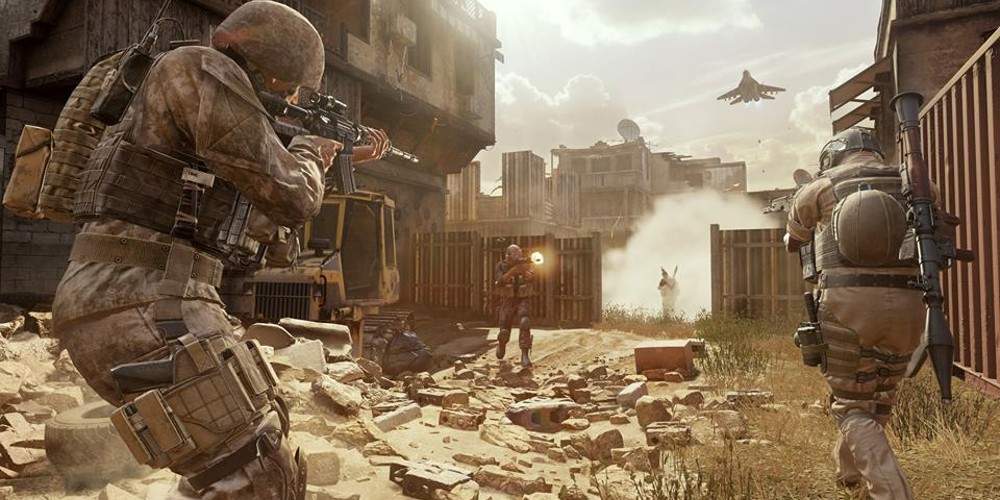
Aside from antidepressants, another factor that gets ignored is the influence of shooting simulations, i.e., violent video games. How does the military train soldiers for war? Through simulations. With the proliferation of video games involving indiscriminate violence, should we really be surprised when this “training” is then put into practice?

As reported by World Bank Blogs, young men who experience violence “often struggle to reintegrate peacefully into their communities” when hostilities end.17 While American youth typically have little experience with real-world war, simulated war games do occupy much of their time and may over time color their everyday perceptions of life. As noted by Centrical, some of the top benefits of simulations training include:18
- Allowing you to practice genuine real-life scenarios and responses
- Repetition of content, which boosts knowledge retention
- Personalization and diversification, so you can learn from your mistakes and evaluate your performance, thereby achieving a deeper level of learning
In short, violent mass shooter games are the perfect training platform for future mass shooters. Whereas a teenager without such exposure might not be very successful at carrying out a mass shooting due to inexperience with weapons and tactics, one who has spent many hours, years even, training in simulations could have knowledge akin to that of military personnel.
Add antidepressant side effects such as emotional blunting and loss of impulse control, and you have a perfect prescription for a mass casualty event.
On top of that, we, as a nation, also demonstrate the “righteousness” of war by engaging in them without end.19 When was the last time the U.S. was not at war someplace? It’s been ongoing for decades.
Even now, the U.S. insists on inserting itself into the dispute between Russia and Ukraine, and diplomacy isn’t the chosen conflict resolution tool. Sending weapons to Ukraine and calling for more violence against Russians are. Sen. Lindsey Graham has even called for the assassination of Russian President Vladimir Putin. Showing just how serious such a suggestion is, the White House had to publicly disavow it, stating Graham’s comment “is not the position of the U.S. government.”20
Graham, meanwhile, does not appear to understand how his nonchalant call for murder might actually incite murder. In the wake of the Uvalde school shooting, he now wants to mobilize retired service members to enhance security at schools, and while that might be a good idea, how about also vowing never to call for the murder of political opponents? Don’t politicians understand that this could translate into some kid thinking it’s acceptable to murder THEIR perceived opponents?
As far as I can tell, mass shootings have far more to do with societal norms, dangerous medications, a lack of high-quality mental health services, and the normalization of violence through entertainment and in politics, than it does with gun laws per se.
There are likely many other factors as well, but these are clearly observable phenomena known to nurture violent behavior. I’m afraid Americans are in need of a far deeper and more introspective analysis of the problem than many are capable of at the moment. But those who can should try, and make an effort to affect much-needed change locally and in their own home.
- 1, 9, 14 Ammo.com, Prescription for Violence
- 2 Libertarian Institute May 20, 2019
- 3 Psychreg.org January 26, 2021, updated February 21, 2022
- 4 Crime Prevention Research Center, Mass Public Shootings Stats
- 5 Harvard Health October 20, 2011
- 6 Washington Post October 19, 2011
- 7, 8 Time April 16, 2021
- 10 Psychiatric News November 5, 2004
- 11 PLOS ONE December 15, 2010, DOI: 10.1371/journal.pone.0015337
- 12 Psychology Today January 5, 2011
- 13 Live Science January 12, 2011
- 15, 16 Psychotherapy Psychosom 2013;82(3):161-9
- 17 World Bank Blogs August 14, 2018
- 18 Centrical Benefits of Simulations Training
- 19 War and Violent Crime Research
- 20 VOA Nws March 4, 2022
Two Storms, One Harvest

Every food crisis in living memory has been a one-shock event. The 2008 price spike was a commodity bubble. The 2020 shortages were a logistics failure. The 2022 grain scare was a war on one exporter’s ports. Each time, the system bent, adjusted, and recovered, and each time the experts assured us afterward that global markets are simply too big and too diversified to fail.
What nobody in Washington seems eager to discuss is that 2026 is shaping up to be something the modern food system has never actually faced. Two independent shocks, one climatic and one geopolitical, are converging on the same harvest cycle at the same time. Not sequentially. Simultaneously.
Start with the weather. The Pacific Ocean is currently building toward what forecasters now openly call a record event. NOAA’s Climate Prediction Center puts the odds of at least a strong El Niño near 88 percent, with roughly two in three odds it reaches “very strong” status, the tier reserved for perhaps three or four events in the entire satellite era. Every major global model now projects a median peak in Super El Niño territory, and most of them project it exceeding the 2015-16 event, which until now held the modern record. Sea surface anomalies were already brushing the super threshold in mid-July, months before these events normally peak. The atmosphere has already shifted into El Niño mode, and the event is forecast to crest in late fall and early winter.
This is not about “climate change.” It’s about the standard cycles of weather, and the cycle we’re currently in is one that has likely devastated societies in the past. We’re better prepared as a society today, but not all Americans are equally prepared.
Serious households have started doing the quiet math on their own. Grocery bills tell part of the story, and the forecast maps tell the rest, which is why long-term food storage has moved from fringe hobby to mainstream line item in the family budget, with established suppliers like Heaven’s Harvest seeing demand from people who five years ago would have rolled their eyes at the idea. That instinct is not paranoia. It is pattern recognition, and the pattern is worth walking through carefully.
Editor’s Note: Heaven’s Harvest IS a sponsor, but the warnings of this article are real and would be written even if we didn’t have a survival food sponsor. With that said, those who take advantage of what they offer can use promo code “Patriot” for 15% off.
The Fertilizer Clock Is Already Running
While the Pacific warms, the second shock has been unfolding in the Strait of Hormuz. The conflict with Iran turned the world’s most important energy chokepoint into a contested waterway, and the consequences reach far beyond the gas pump. Roughly a third of global fertilizer trade moves through Hormuz, and the disruption sent urea prices up 86 percent year over year by March, with a 53 percent jump in a single month.
The World Bank projects energy prices rising about 24 percent in 2026 and fertilizer about 31 percent. By its own accounting, fertilizer prices ran 35 percent higher in the first five months of this year than the same period last year.
Here is the mechanism the nightly news will not explain. Fertilizer is not a grocery item. It is a time-delayed input. The nitrogen a farmer in Iowa or Punjab could not afford to apply this spring does not show up as a problem this spring. It shows up as a thinner harvest six to twelve months later.
The World Bank’s own food security brief concedes that the effects of reduced applications earlier this season “are likely to become visible only later in harvest outcomes.” Translate that from institutional language into plain English and it means this. The damage is already done, it is already in the ground, and we are simply waiting for it to arrive on the shelf.
Now check the calendar. Six to twelve months from the spring planting season lands us squarely in late 2026 and early 2027. Which is precisely when the strongest El Niño in the instrumental record is forecast to peak, bringing its signature droughts to Southeast Asia, Australia, southern Africa, northern Brazil, and South Asia, the very regions that grow the world’s rice, sugar, and oilseeds.
The World Bank warns openly that a strong El Niño “could disrupt multiple crop belts simultaneously” on top of the conflict-driven input costs. Their baseline projection assumes the Middle East disruptions ease by autumn. What in the last two years of Middle East history suggests that assumption is safe?
The System Has No Slack Left
The comfortable answer is that global markets always adjust. But adjustment requires slack, and the slack is gone. Global cereal production is expected to decline from last year’s records even before El Niño does its work. The UN World Food Programme, hardly a den of right-wing preppers, is calling this the most significant disruption to its supply chains since Covid and the invasion of Ukraine, and its supply chain director put the stakes bluntly.
Today’s supply chain challenges are tomorrow’s hunger crisis.
There is also a political dimension that markets cannot price. When food gets scarce, governments do not behave like economists. They behave like politicians. Export bans, hoarding mandates, and panic buying at the national level turned the modest rice shortfall of 2008 into a global crisis, and analysts are already warning that import-dependent nations are the first dominoes.
The 2015-16 Super El Niño, a far weaker event than what is now forecast, threw tens of millions into food stress across Africa and Asia. This one is projected to be stronger, and it arrives with fertilizer already rationed by price and shipping lanes already contested by missiles.
What Joseph Knew
Scripture does not treat preparation for lean years as faithlessness. It treats it as wisdom delivered in advance to those willing to act on it.
Behold, there come seven years of great plenty throughout all the land of Egypt: And there shall arise after them seven years of famine; and all the plenty shall be forgotten in the land of Egypt.
Joseph did not respond to that warning with a hashtag or a committee. He stored grain during the years of abundance, and when the famine came, Egypt stood while its neighbors begged. The lesson is not that famine is certain. It is that the time to prepare is precisely when preparation still looks optional.
Nobody who filled a pantry in a year of plenty has ever regretted it, and nobody standing in an empty aisle has ever been glad he waited for certainty.
None of this calls for panic, and panic is the enemy of sound judgment anyway. It calls for the same unglamorous prudence our grandparents considered ordinary. Keep some cash margin, know your local growers, and put real food in deep storage while it is cheap and available, because the entire arc of this story is that cheap and available is a closing window.
Families looking for a straightforward place to start can visit Heaven’s Harvest and use promo code Patriot for 15 percent off long-term storable food. The forecasts may yet soften, the strait may yet reopen, and we should pray they do. But hope is a fine thing to hold and a foolish thing to eat.
